5 Healthiest Foods for Diabetes
Managing diabetes is not about strict diets or complete food restrictions—it’s about making smarter choices that nourish your body and stabilize your blood sugar levels. The foods you eat play a vital role in how your body responds to insulin, controls glucose, and maintains overall energy levels.
Whether you’re living with type 1, type 2, or prediabetes, incorporating nutrient-dense, low-glycemic foods into your meals can make a remarkable difference. Here are the 5 healthiest foods for diabetes that science-backed research recommends for better control, improved heart health, and long-term wellbeing.
1. Leafy Green Vegetables
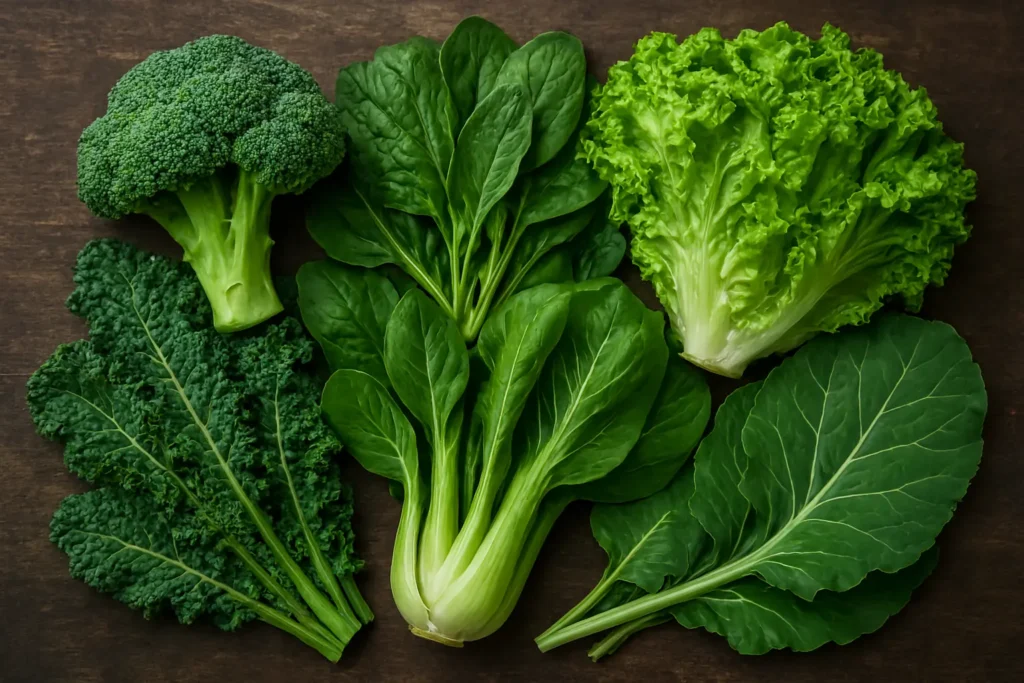
Why They’re Great for Diabetes:
Leafy greens like spinach, kale, Swiss chard, and collard greens are among the most powerful foods you can add to your diet. They are low in calories and carbohydrates, which means they have a minimal effect on your blood sugar. More importantly, they are loaded with antioxidants, vitamins A, C, K, and minerals like magnesium and calcium—nutrients that improve insulin sensitivity and reduce inflammation.
Research Insight:
Studies show that people who regularly eat green leafy vegetables have a significantly lower risk of developing type 2 diabetes. This is because compounds found in greens, such as lutein and zeaxanthin, protect the body from oxidative stress that can worsen diabetes complications.
How to Eat Them:
- Make a hearty kale salad topped with olive oil and seeds.
- Add chopped greens to soups, stews, or omelets.
Pro Tip:
Pair your leafy greens with a healthy fat source like olive oil or avocado—this boosts the absorption of fat-soluble vitamins like A and K.
2. Fatty Fish

Why They’re Great for Diabetes:
Fatty fish—such as salmon, mackerel, sardines, and trout—are rich in omega-3 fatty acids (EPA and DHA). These healthy fats reduce inflammation, improve insulin sensitivity, and most importantly, protect against heart disease, which is one of the leading complications of diabetes.
They also provide a high-quality source of lean protein, which helps stabilize blood sugar by slowing down digestion and preventing glucose spikes after meals.
Research Insight:
According to studies published in Diabetes Care, people who consume fish rich in omega-3 at least twice a week have better fasting glucose levels and reduced markers of inflammation.
How to Eat Them:
- Grill or bake salmon with herbs and lemon for a simple dinner.
- Add canned sardines (in water) to your salads or sandwiches.
- Try mackerel curry or tuna wraps for a flavorful twist.
Pro Tip:
Avoid deep-fried fish or heavily salted versions. Choose fresh or water-packed fish to reap the full health benefits.
3. Whole Grains
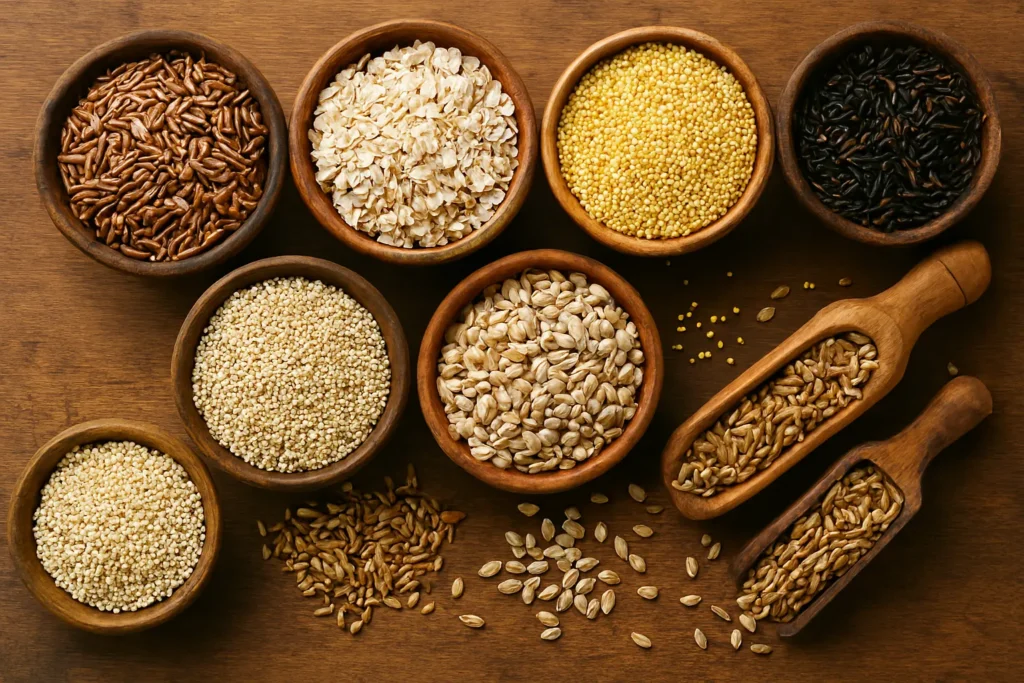
Why They’re Great for Diabetes:
Refined grains like white rice and white bread cause rapid spikes in blood sugar levels, but whole grains—such as oats, quinoa, brown rice, barley, and whole wheat—are different. They are packed with dietary fiber, vitamins, minerals, and antioxidants that support healthy digestion and slow glucose absorption.
The high fiber content not only stabilizes blood sugar but also promotes fullness, making it easier to manage weight—another key factor in controlling diabetes.
Research Insight:
A review in the American Journal of Clinical Nutrition found that people who eat at least two servings of whole grains daily have a 21% lower risk of type 2 diabetes compared to those who eat little or none.
How to Eat Them:
- Start your morning with a bowl of steel-cut oats topped with nuts or seeds.
- Swap white rice for brown rice or quinoa in your lunch or dinner.
- Choose whole grain bread or pasta for better nutrition and fiber.
Pro Tip:
Always check food labels—look for “100% whole grain” or “whole wheat” as the first ingredient, and avoid items with added sugars or refined flour.
4. Beans and Lentils
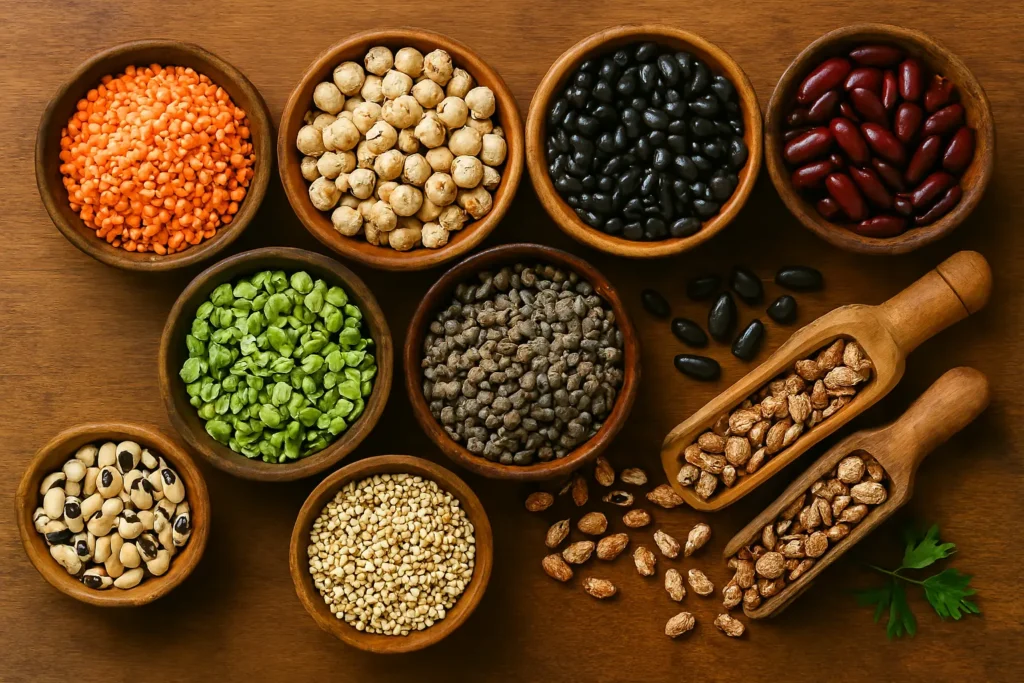
Why They’re Great for Diabetes:
Beans and lentils—like black beans, chickpeas, kidney beans, and red lentils—are excellent sources of plant-based protein, fiber, and complex carbohydrates. Unlike simple carbs, these digest slowly, resulting in a steady release of glucose into the bloodstream.
They also contain important minerals such as magnesium, potassium, and iron, which support insulin activity and heart health.
Research Insight:
According to a study in Archives of Internal Medicine, people who ate one cup of beans daily experienced better blood sugar control and lower blood pressure than those who didn’t.
How to Eat Them:
- Add lentils to soups or stews for a hearty, filling meal.
- Use beans as a base for tacos, burritos, or salads.
- Make homemade hummus or lentil patties as a snack option.
Pro Tip:
Soak dry beans overnight to improve digestibility and reduce cooking time. If using canned beans, rinse them thoroughly to lower sodium content.
5. Nuts and Seeds
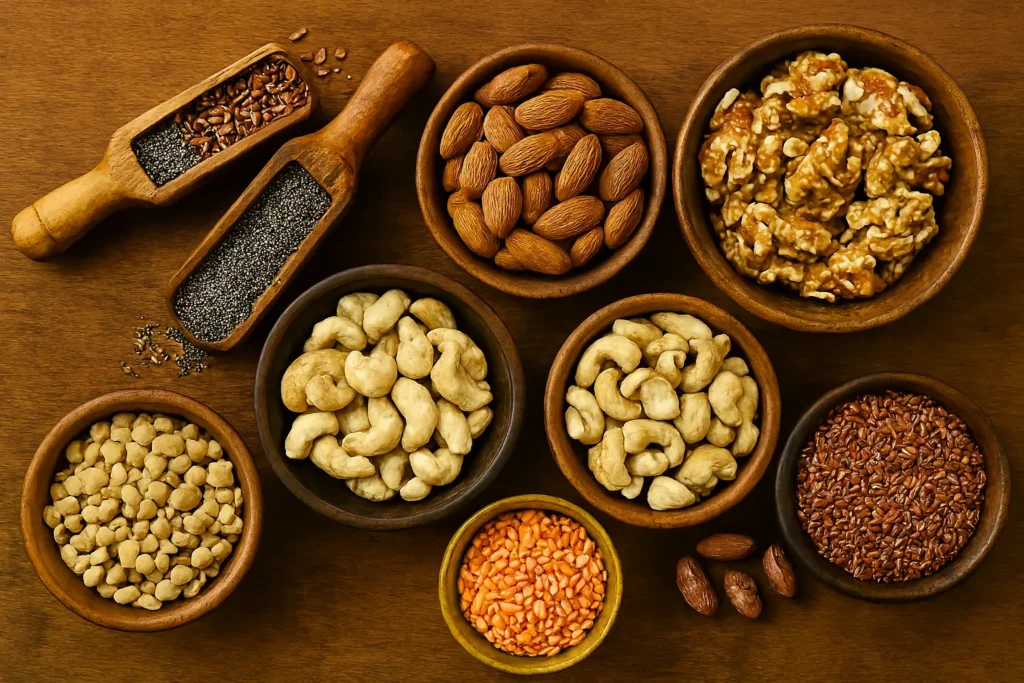
Why They’re Great for Diabetes:
Nuts and seeds—like almonds, walnuts, chia seeds, flaxseeds, and pumpkin seeds—are tiny nutritional powerhouses. They provide healthy fats, protein, and fiber, which help manage blood sugar and reduce inflammation.
These foods also lower “bad” LDL cholesterol and improve “good” HDL cholesterol, protecting against heart disease—a major risk for diabetic individuals.
Research Insight:
In a Harvard School of Public Health study, people who regularly consumed nuts had a lower risk of type 2 diabetes and cardiovascular complications.
How to Eat Them:
- Snack on a handful of almonds or walnuts between meals.
- Sprinkle chia or flaxseeds over your oatmeal, yogurt, or smoothie.
- Add pumpkin or sunflower seeds to your salads for a crunchy texture.
Pro Tip:
Always choose unsalted and raw or dry-roasted varieties to avoid extra sodium or sugars found in flavored versions.
| The healthy-life-expert.com crew collected the information via a field visit to provide accurate and genuine information. |

