5 Plant-Based Power Foods That Keep Your Arteries Clean and Your Heart Happy
Keeping your heart strong isn’t just about exercise — it’s also about what you eat every day. While countless heart-healthy recipes exist, what truly matters is how clean your arteries are and how smoothly your blood flows. A few simple plant-based foods can make a big difference by reducing plaque buildup, improving circulation, and fighting inflammation. Here are five powerful foods to keep your heart and arteries in top shape.
1. Leafy Green Vegetables
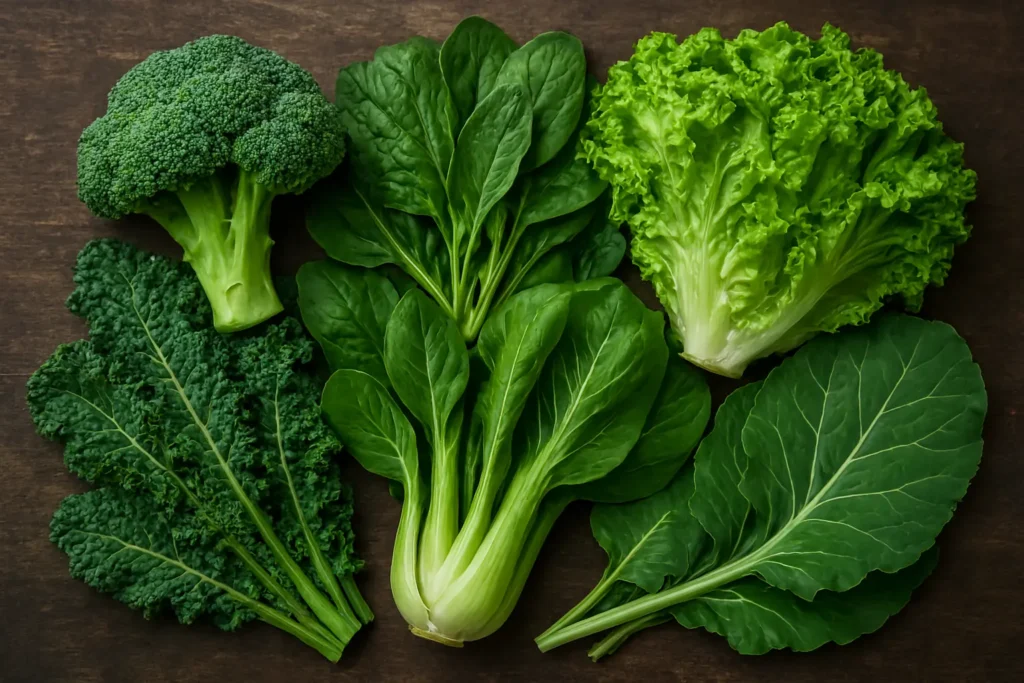
There’s a reason your parents always told you to eat your greens. Leafy vegetables like spinach, kale, and lettuce are loaded with vitamins A, C, and K, along with powerful antioxidants that protect your blood vessels. They’re also rich in nitrates, which help relax and widen blood vessels, improving blood flow and lowering blood pressure.
Research from the Nutrition & Health Innovation Research Institute found that people who ate the most nitrate-rich vegetables had lower systolic blood pressure and a 12–26% lower risk of heart disease.
Vitamin K also plays a key role in preventing calcium buildup in the arteries — a process that can harden blood vessels over time. Studies from the American Heart Association Journal suggest that both K1 and K2 vitamins may help reduce the risk of atherosclerotic cardiovascular disease.
2. Berries
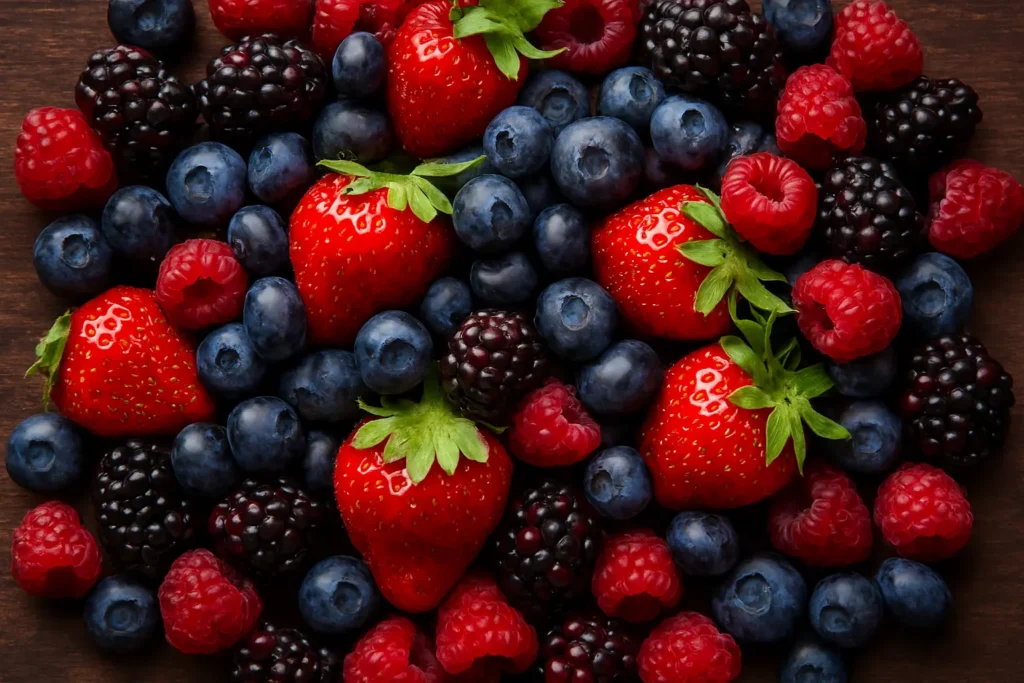
Tiny but powerful, berries like blueberries, strawberries, and raspberries are packed with polyphenols and flavonoids — compounds known to fight inflammation and oxidative stress, two key drivers of artery damage.
They’re also rich in fiber, which helps lower cholesterol levels. Studies in PubMed Central show that eating berries regularly can lower blood pressure, blood sugar, and cholesterol while improving the flexibility of blood vessels. Fresh or frozen berries are best, but berry-based supplements can also help support heart health if fresh options aren’t available.
3. Nuts and Seeds
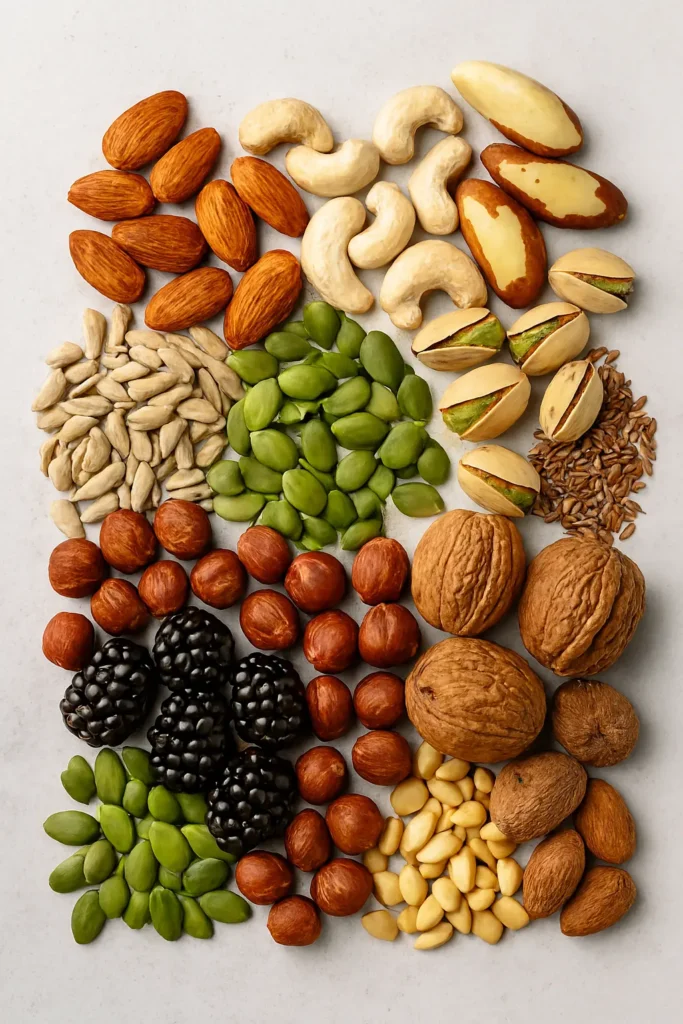
Nuts and seeds are nature’s heart-healthy snacks. Almonds, walnuts, chia seeds, and flaxseeds are loaded with healthy fats, fiber, and essential nutrients that support your cardiovascular system.
The monounsaturated and polyunsaturated fats in these foods help reduce bad cholesterol while raising good cholesterol, keeping your arteries clear. Walnuts and flaxseeds, rich in omega-3 fatty acids, also reduce inflammation and improve blood vessel performance.
According to PubMed Central, eating about 30 grams (a small handful) of nuts or seeds daily is linked to a lower risk of heart disease and coronary artery disease.
4. Avocados
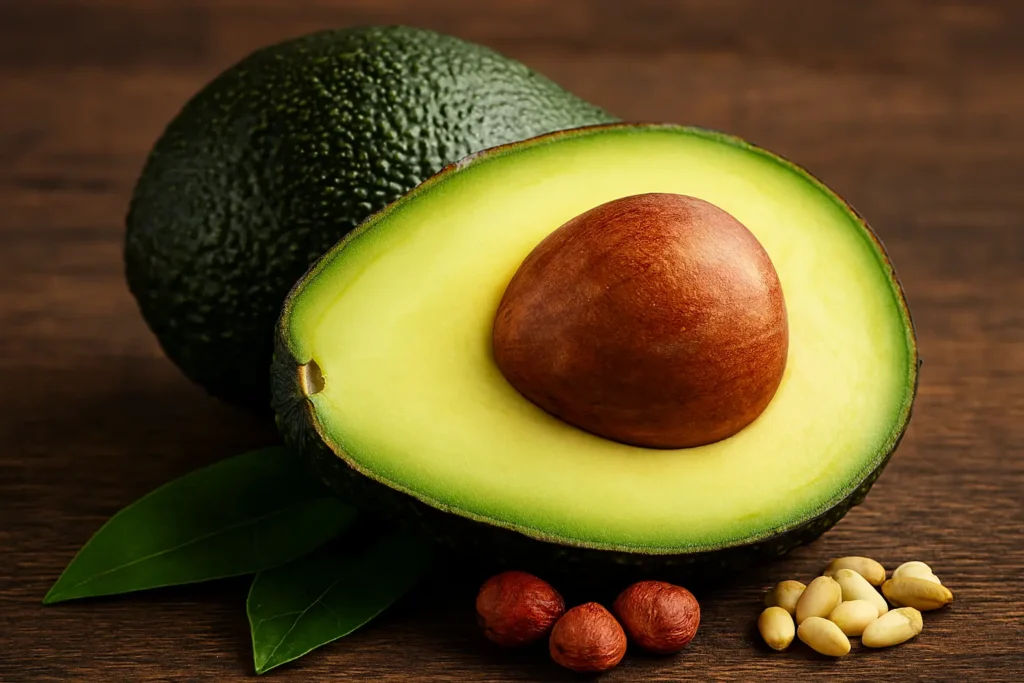
Often called a heart superfood, avocados are loaded with monounsaturated fats that help lower bad cholesterol and raise the good kind. They’re also a great source of potassium, which helps regulate blood pressure and supports healthy blood circulation.
Adding avocado slices to salads, sandwiches, or smoothies is a simple way to get more heart-healthy fats and nutrients. They also contain antioxidants like lutein, which protect blood vessels from inflammation and cell damage.
Research published in AHA Journals found that people who ate more avocados had a lower risk of cardiovascular disease and coronary heart disease.
5. Whole Grains
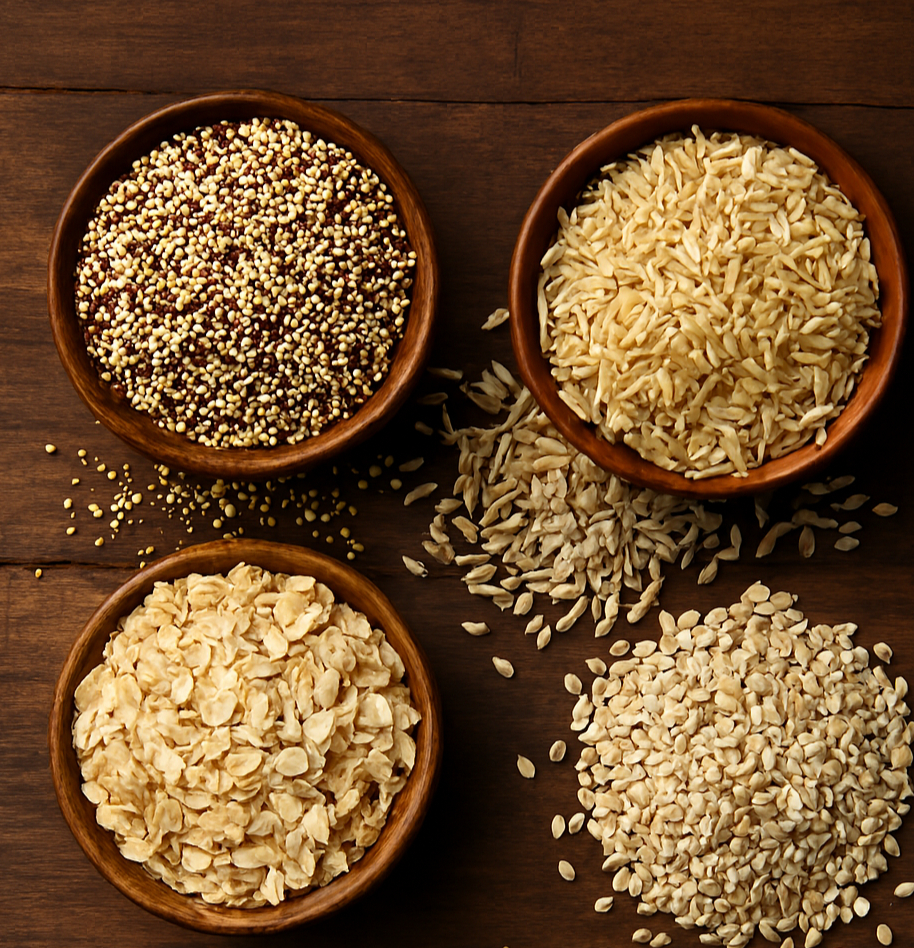
Whole grains like oats, quinoa, brown rice, and barley are rich in fiber and essential nutrients that support heart and arterial health. The fiber in whole grains helps reduce LDL (bad) cholesterol by preventing its absorption into the bloodstream, which can lower the risk of plaque buildup.
Regularly eating whole grains can also make blood vessels more flexible, improve circulation, and reduce inflammation. According to research cited in PubMed Central, whole grain consumption is linked to up to a 7% lower risk of coronary artery disease.
Besides benefiting your heart, whole grains help maintain a healthy weight, improve digestion, and keep blood sugar levels steady — making them an easy and effective way to boost overall wellness.
How to Naturally Improve Arterial Health
A healthy lifestyle is just as important as what’s on your plate. To keep your arteries strong and flexible, focus on:
- Regular physical activity
- A balanced diet rich in fruits, vegetables, and whole grains
- Maintaining a healthy weight
- Managing stress
- Avoiding smoking
- Limiting processed foods, salt, and added sugars
- Staying hydrated and getting enough sleep
With these simple changes, you can protect your arteries, improve circulation, and keep your heart beating strong for years to come.
| The healthy-life-expert.com crew collected the information via a field visit to provide accurate and genuine information. |

