5 Surprising Foods That Pack More Protein Than Eggs
Eggs have long held the crown as the go-to protein source for breakfast tables worldwide. But here’s a nutrition secret most people don’t realize: several everyday foods actually deliver significantly more protein punch than your standard egg. If you’re stuck in an egg-only protein routine or simply want to supercharge your muscle-building efforts, it’s time to discover these protein-rich alternatives.
A single large egg contains roughly 6 grams of protein. While that’s respectable, the five foods we’re about to reveal blow that number out of the water, offering between 15 to 28 grams per serving. Let’s dive into these nutritional heavy-hitters that deserve a permanent spot in your meal plan.
1. Cottage Cheese: Your Secret Weapon for Overnight Muscle Recovery
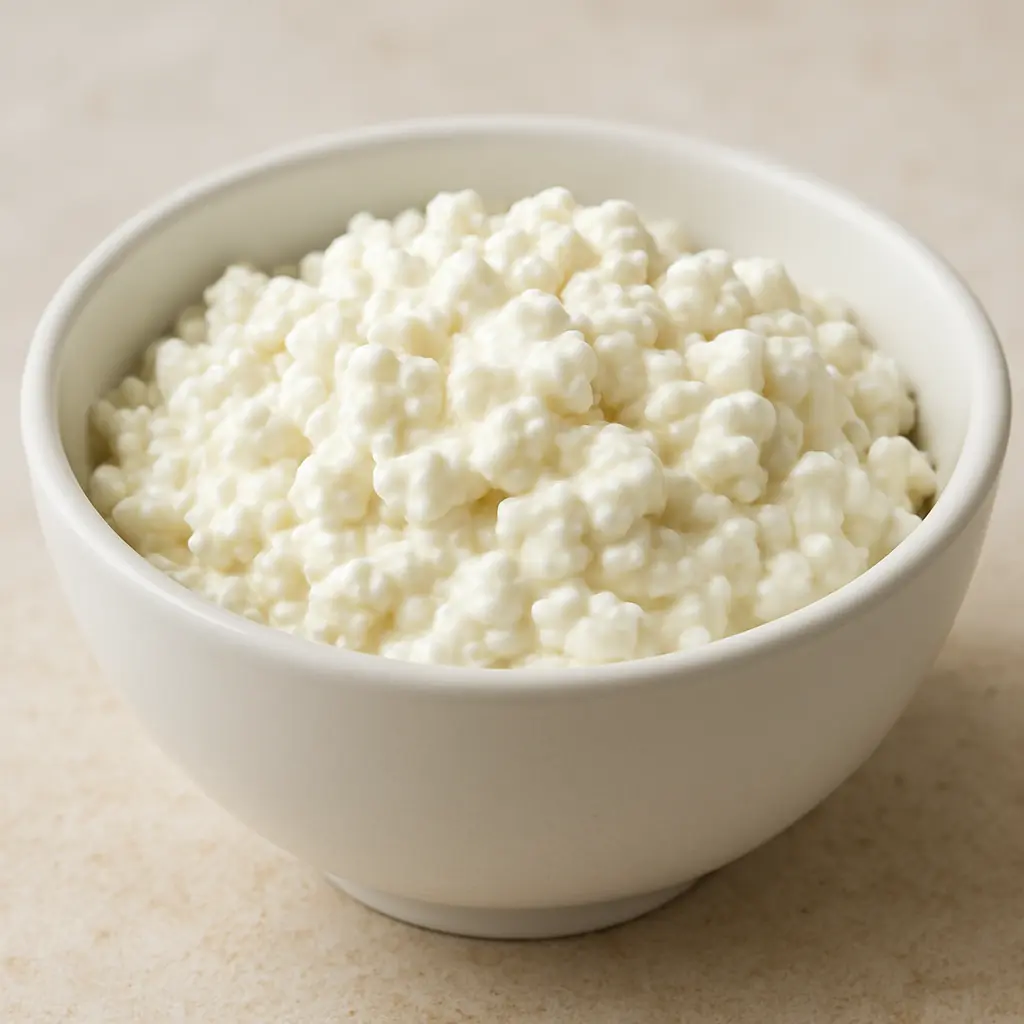
Here’s something that might surprise you: a standard cup of low-fat cottage cheese delivers a whopping 28 grams of protein. That’s nearly five times what you’d get from one egg, making it one of the most concentrated protein sources in the dairy aisle.
But cottage cheese isn’t just about quantity. The protein found here is primarily casein, which your body digests slowly over 6-8 hours. This sustained-release quality makes cottage cheese uniquely valuable as an evening snack, feeding your muscles throughout the night while you sleep.
Many people skip cottage cheese because of its texture, but there are countless creative ways to enjoy it. Blend it into smoothies for creamy thickness, mix it with cinnamon and a drizzle of honey for a dessert-like treat, or combine it with salsa and use it as a chip dip. You can even substitute it for ricotta in lasagna recipes.
Beyond protein, you’re getting substantial calcium, phosphorus, and vitamin B12—all critical for bone health and energy production.
2. Skinless Chicken Breast: The Undisputed Muscle-Building Champion

When it comes to lean, high-quality protein, chicken breast reigns supreme. A modest 3-ounce portion (about the size of a deck of cards) serves up approximately 26 grams of protein while keeping fat content minimal.
What makes chicken breast particularly effective for fitness goals is its complete amino acid profile. Your body can’t produce these essential amino acids on its own, yet they’re crucial for repairing muscle tissue after workouts and maintaining overall body function.
The key to keeping chicken breast exciting is seasoning and cooking method variety. Marinate it overnight in yogurt and spices for tender, flavorful results. Try coating it in crushed nuts for added crunch, or slow-cook it with vegetables for meal-prep bowls that last all week.
Chicken breast also provides generous amounts of niacin and vitamin B6, which help convert food into usable energy—perfect for powering through demanding workouts or busy workdays.
3. Plain Greek Yogurt: Breakfast’s Triple-Threat Superfood
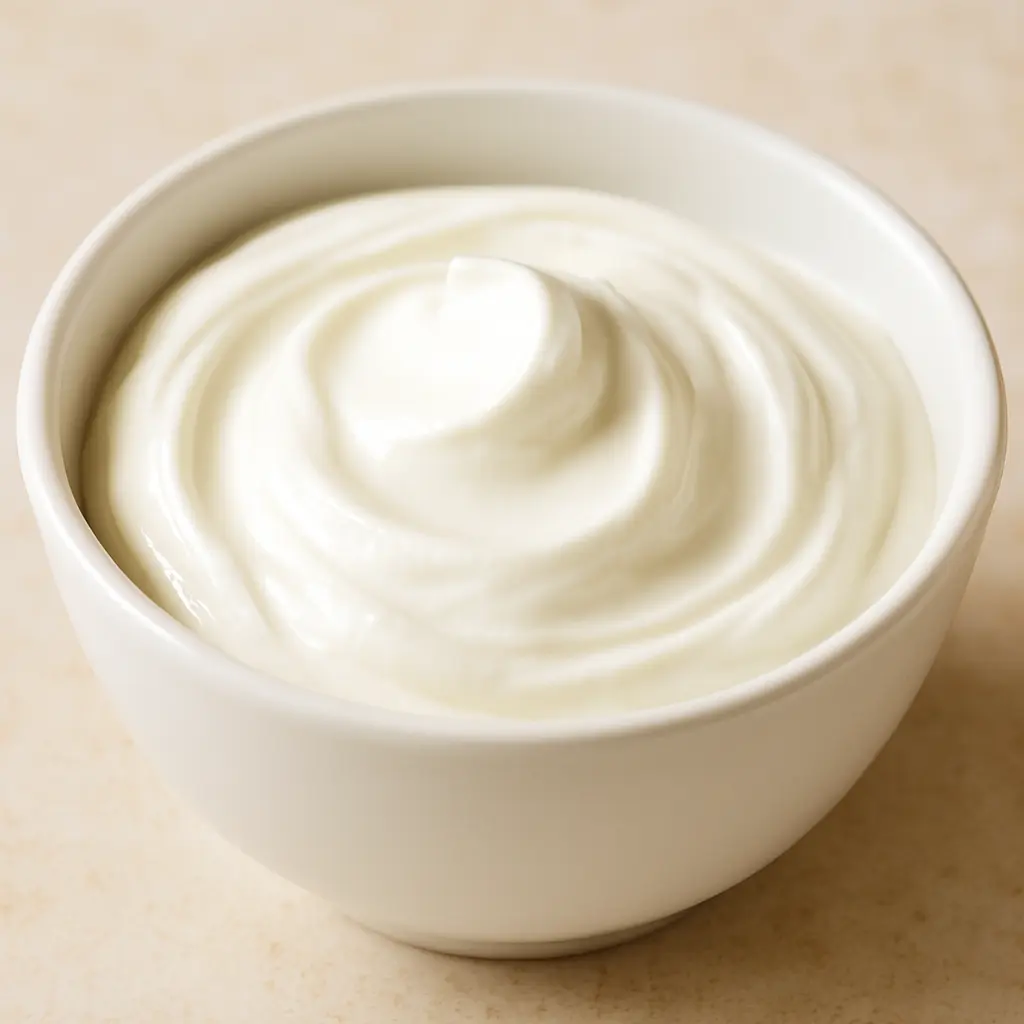
Greek yogurt isn’t just trendy—it’s legitimately one of the smartest protein choices you can make. A single cup contains 17-20 grams of protein, triple what an egg offers, while simultaneously delivering gut-healthy probiotics and bone-strengthening calcium.
The straining process that creates Greek yogurt removes excess whey, concentrating both protein and creating that signature thick, creamy texture. This also reduces lactose content, making it easier to digest for people with mild lactose sensitivity.
Transform Greek yogurt into endless meal possibilities. Use it as a base for protein-packed parfaits layered with granola and fresh berries. Substitute it for mayonnaise in chicken or tuna salad to slash calories while boosting protein. Mix it with cucumber, garlic, and dill for a protein-rich tzatziki sauce.
Pro tip: Always choose plain varieties and add your own flavorings. Flavored versions often contain as much sugar as ice cream, completely undermining the health benefits.
4. Canned or Fresh Tuna: Ocean-Sourced Protein Convenience
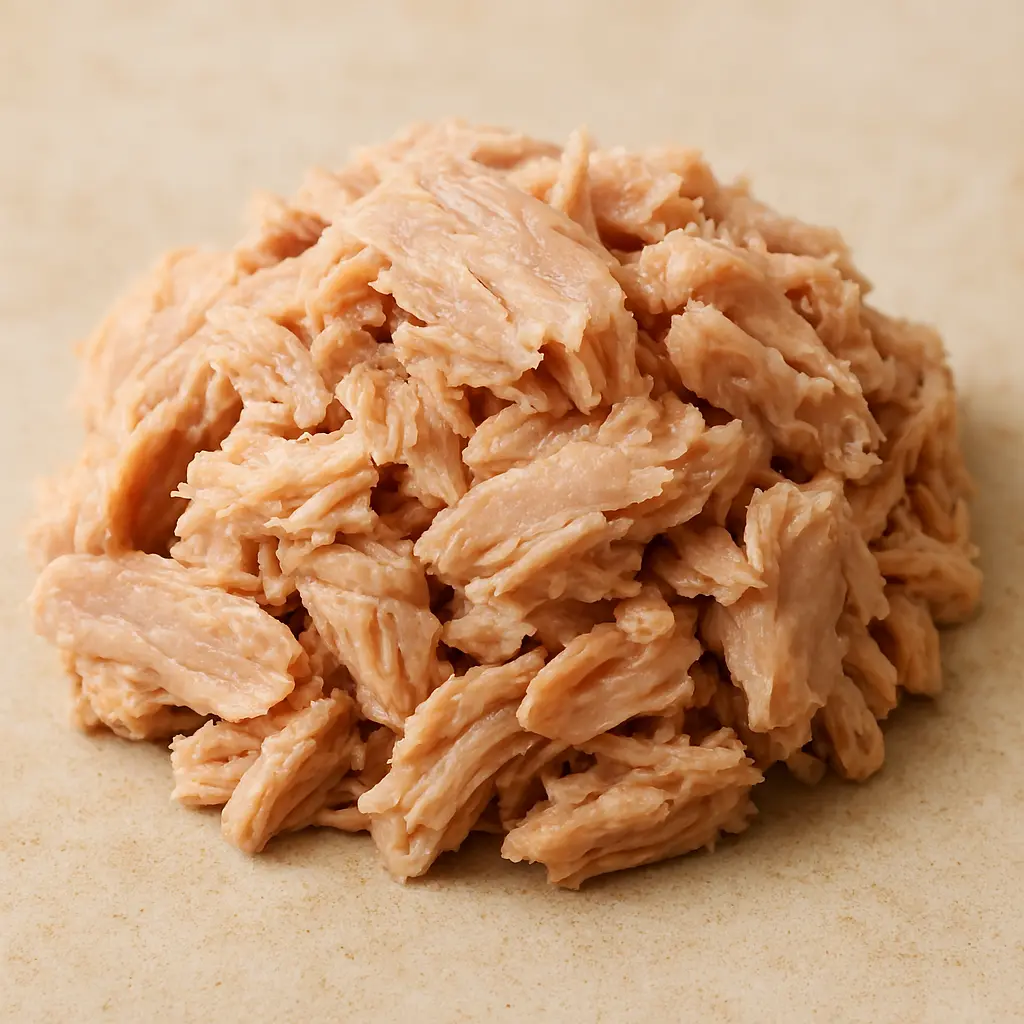
Tuna deserves recognition as one of nature’s most convenient protein packages. Whether you choose fresh tuna steaks or shelf-stable canned varieties, you’re getting 20-25 grams of protein per 3-ounce serving—roughly four times more than an egg.
The bonus with tuna extends beyond protein. You’re also consuming omega-3 fatty acids, particularly EPA and DHA, which combat inflammation, support brain health, and promote cardiovascular wellness. Few foods offer this powerful combination of high protein and beneficial fats.
For everyday convenience, canned tuna can’t be beaten. Keep several cans in your pantry for emergency protein needs. Mix it with mashed avocado instead of mayo for heart-healthy fats, stuff it into bell peppers with quinoa, or simply enjoy it on whole-grain crackers with sliced tomatoes.
Concerned about mercury? Choose skipjack or “light” tuna, which contains significantly less mercury than albacore “white” tuna. Limiting intake to 2-3 servings weekly keeps exposure well within safe guidelines.
5. Cooked Lentils: The Plant-Based Protein Phenomenon
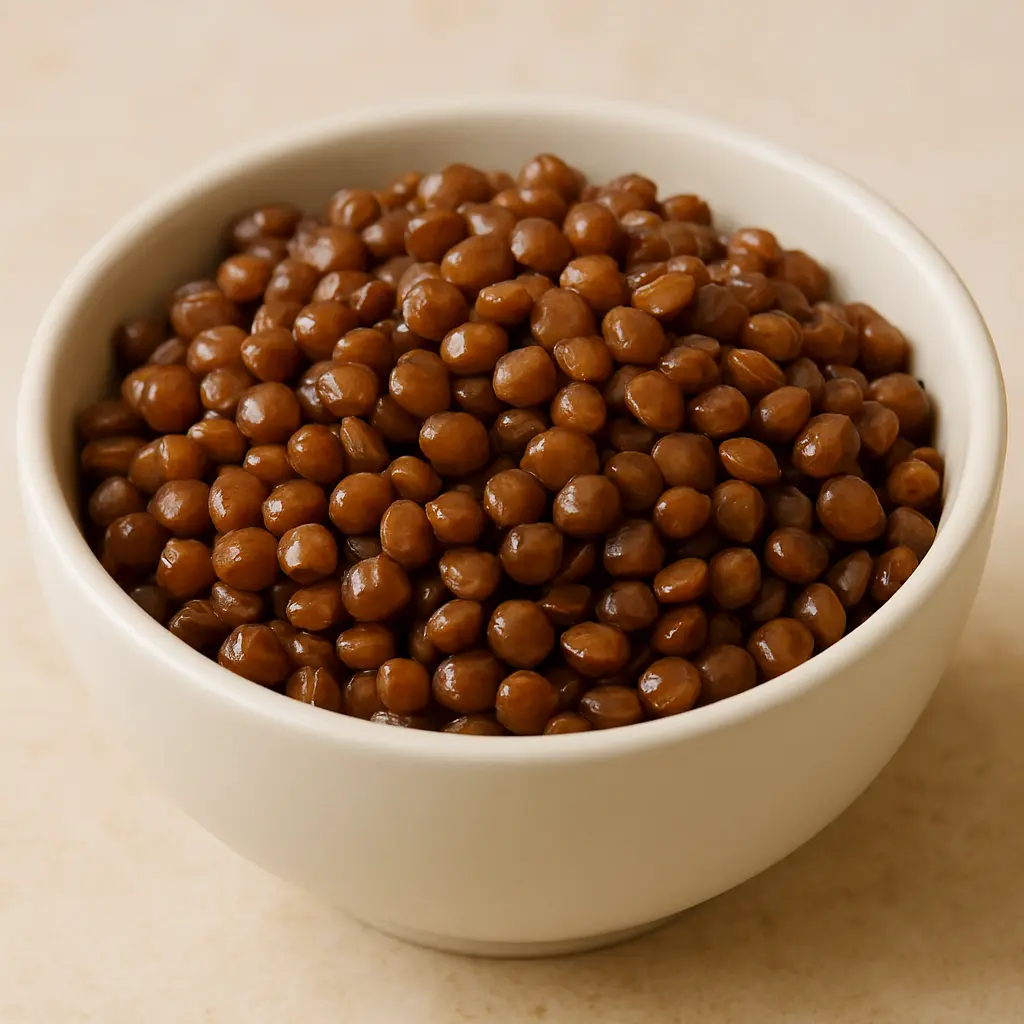
For anyone reducing meat consumption or following plant-based eating patterns, lentils are an absolute game-changer. One cup of cooked lentils provides 18 grams of protein—three times what you’d find in an egg—along with 15 grams of dietary fiber that eggs completely lack.
Unlike many plant proteins, lentils contain substantial amounts of lysine, an amino acid often missing in plant foods. Pair them with rice or whole grains, and you’ve created a complete protein that rivals any animal source.
The fiber content in lentils offers benefits eggs simply can’t match: improved digestive health, better blood sugar control, and enhanced feelings of fullness that support weight management goals.
Lentils cook faster than most beans, typically ready in 20-30 minutes without pre-soaking. Red lentils work beautifully in Indian dal recipes. Green and brown varieties hold their shape well in salads and grain bowls. Use them as a meat substitute in spaghetti sauce, shepherd’s pie, or tacos for meals that satisfy even dedicated meat-eaters.
Strategic Protein Rotation: Your Path to Optimal Nutrition
While eggs certainly have their place in a healthy diet, relying exclusively on them means missing out on the diverse nutrients these five alternatives provide. Cottage cheese offers slow-digesting protein for overnight recovery. Chicken breast supplies complete amino acids with minimal fat. Greek yogurt adds probiotics for gut health. Tuna contributes omega-3s for heart and brain function. Lentils deliver fiber that supports digestion and blood sugar stability.
The smartest nutritional strategy involves rotating through various protein sources throughout your week. This approach ensures you’re consuming a wide spectrum of vitamins, minerals, and beneficial compounds while keeping your taste buds engaged and meals interesting.
Whether you’re an athlete focused on performance, someone managing their weight, or simply pursuing better overall health, these protein-packed foods offer delicious, practical ways to meet your nutritional targets without defaulting to eggs every single day.
Start incorporating just one or two of these options into your routine this week, and experience how easy it is to dramatically increase your protein intake while enjoying greater variety and nutrition.
| The healthy-life-expert.com crew collected the information via a field visit to provide accurate and genuine information. |

