7 Foods to Eat for a Stronger Immune System: Natural Immunity Boosters
Maintaining a robust immune system is essential for staying healthy throughout the year. While no magic food can guarantee you’ll never get sick, strategic dietary choices can dramatically improve how well your body defends itself against illness. Discover seven scientifically-backed foods that can enhance your immunity naturally.
1. Citrus Fruits: Your Daily Vitamin C Source

When most people think about immune support, oranges and other citrus fruits immediately come to mind. This association exists for good reason. Fruits like tangerines, clementines, and pomelos deliver substantial amounts of vitamin C, a nutrient that strengthens your immune defenses by stimulating white blood cell production.
Your body cannot manufacture or stockpile this water-soluble vitamin, which means consistent daily consumption is necessary. Including citrus fruits in your breakfast routine or as afternoon snacks ensures you’re meeting the 75-90 mg daily recommendation that supports optimal immune function.
2. Garlic: Ancient Medicine for Modern Health

For thousands of years, civilizations worldwide have recognized garlic’s medicinal properties. When you chop, crush, or chew fresh garlic, it releases allicin—a powerful sulfur compound with documented antimicrobial capabilities.
Studies indicate that people who consume garlic regularly experience fewer colds and recover more quickly when they do fall ill. While cooked garlic adds wonderful flavor to dishes, raw garlic provides the most potent immune benefits. Try mincing a clove into salad dressings or hummus for maximum effect.
3. Ginger: Soothe Inflammation, Boost Immunity

This knobby root has earned its reputation as a go-to remedy during cold and flu season. Ginger’s active component, gingerol, delivers impressive anti-inflammatory and antioxidant benefits that help your immune system operate efficiently.
Beyond immune support, ginger alleviates digestive discomfort and possesses natural antimicrobial qualities. Steep fresh ginger slices in hot water for tea, blend them into morning smoothies, or incorporate grated ginger into Asian-inspired dishes for both taste and wellness benefits.
4. Spinach: Leafy Green Immune Champion

This versatile leafy vegetable deserves recognition for multiple reasons. Spinach contains abundant vitamin C, beta-carotene, and various antioxidants that collectively enhance your body’s ability to combat infections. The beta-carotene your body absorbs gets converted into vitamin A, which plays crucial roles in immune regulation.
Cooking spinach lightly actually improves nutrient bioavailability while maintaining its beneficial compounds. Additionally, spinach provides folate, which supports cellular repair and DNA synthesis—fundamental processes for maintaining immune competence.
5. Yogurt: Cultivate Gut Health for Immunity
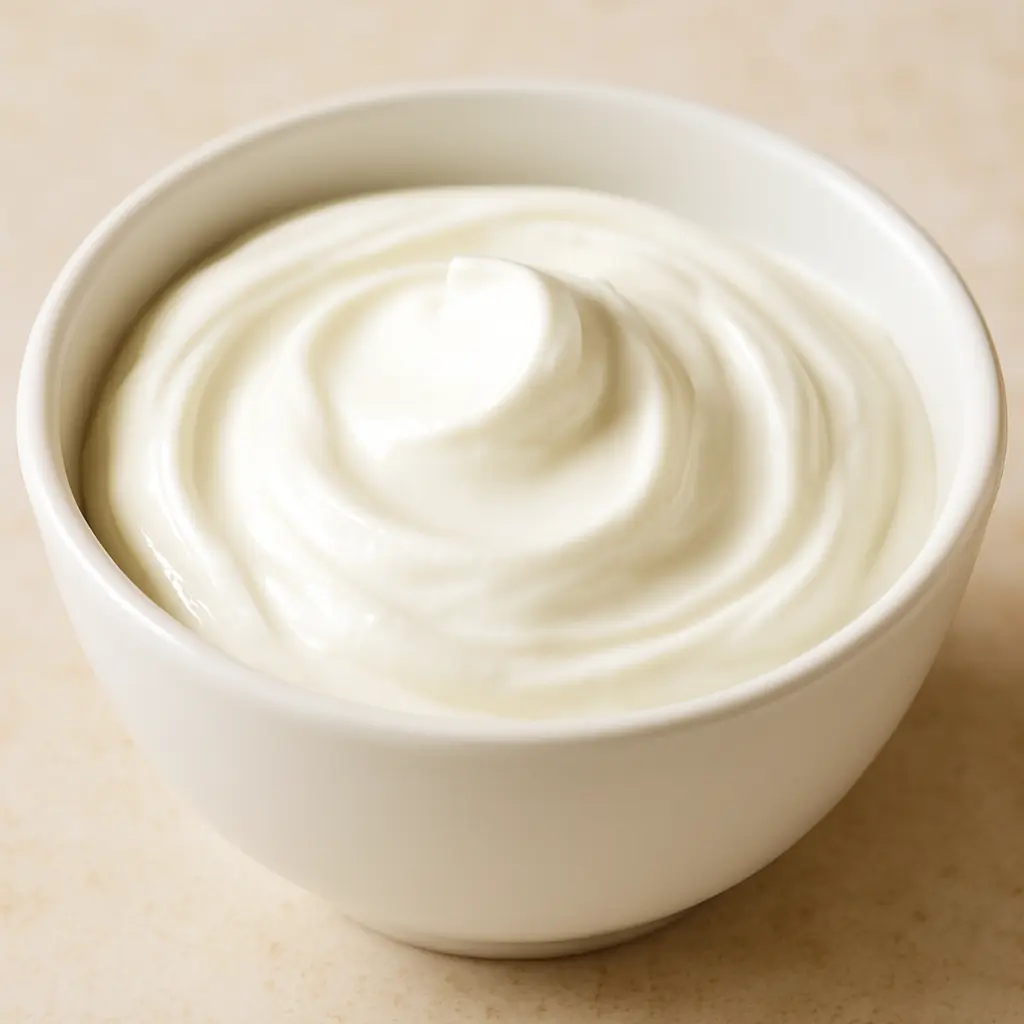
Selecting yogurt with live probiotic cultures represents one of the smartest dietary moves for immune health. These beneficial bacteria colonize your digestive tract, which houses roughly 70% of your body’s immune cells. A healthy gut microbiome directly translates to stronger immune responses.
Opt for unsweetened varieties to avoid excess sugar, which can actually suppress immune function. Plain yogurt serves as an excellent base for adding berries, nuts, or a touch of honey. Many brands also fortify their yogurt with vitamin D, another crucial nutrient that modulates immune activity and helps prevent respiratory infections.
6. Almonds: Vitamin E’s Crunchy Delivery System

While vitamin C receives most of the immune-boosting attention, vitamin E works equally hard behind the scenes. This fat-soluble antioxidant protects cell membranes from damage and supports numerous immune functions. Because it requires dietary fat for absorption, almonds provide the perfect package—vitamin E plus healthy fats.
Just a quarter-cup of almonds delivers approximately half your daily vitamin E requirement. These nuts also contribute manganese, magnesium, and fiber, making them a nutritionally dense snack that supports overall wellness alongside immune health.
7. Turmeric: Harness the Power of Curcumin
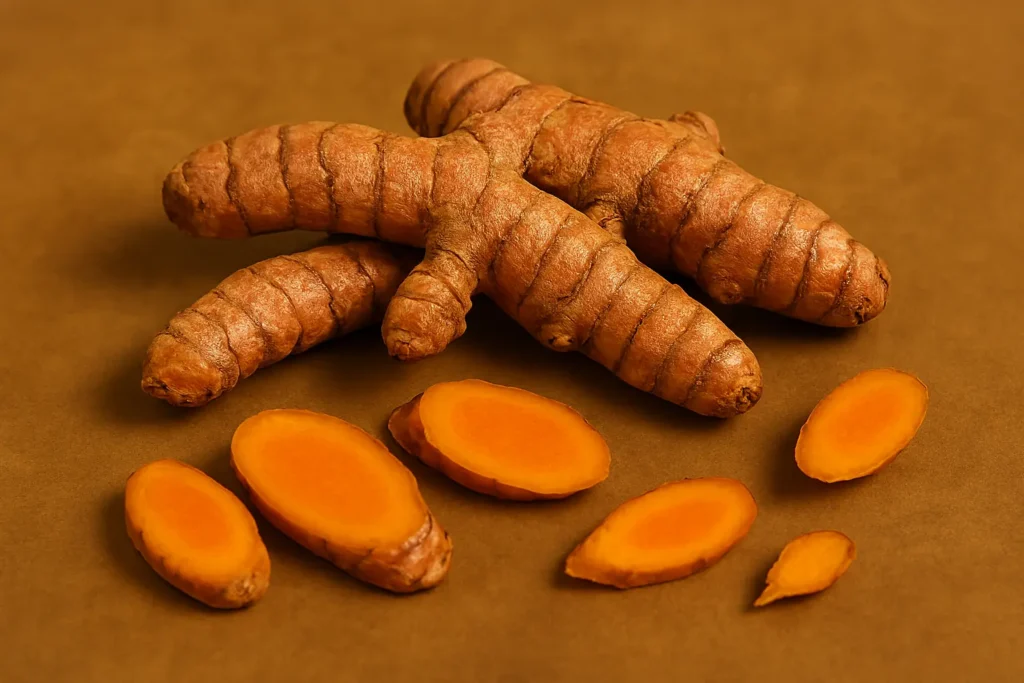
This vibrant golden spice contains curcumin, a compound that has demonstrated remarkable immune-modulating properties in research studies. Curcumin helps regulate immune cell activity and reduces chronic inflammation that can compromise your body’s defenses.
For centuries, traditional medicine systems have utilized turmeric for healing. Modern science now confirms many of these traditional uses. Combine turmeric with black pepper to increase curcumin absorption by up to 2000%, or add it to soups, scrambled eggs, roasted vegetables, and warming beverages.
Your Action Plan for Immune Nutrition
These seven foods provide an excellent foundation for immune-supportive eating. Rather than focusing on isolated nutrients, aim for dietary diversity that includes colorful vegetables, quality proteins, healthy fats, and whole grains.
Food represents just one pillar of immune health. Complement your nutritious diet with seven to nine hours of quality sleep nightly, regular physical activity, effective stress management techniques, and proper hydration. This comprehensive approach gives your immune system everything it needs to protect you effectively.
Begin by selecting two or three foods from this list to incorporate this week. Experiment with new recipes and preparation methods until you find combinations you genuinely enjoy. Sustainable immune support comes from consistent healthy habits, not short-term dietary extremes. Make these nutrient-rich foods regular players in your meal rotation, and your body will reward you with stronger, more resilient health.
| The healthy-life-expert.com crew collected the information via a field visit to provide accurate and genuine information. |

