7 Surprising Foods with More Vitamin E Than Almonds: Boost Your Antioxidant Intake Naturally
When most people think about vitamin E-rich foods, almonds immediately come to mind. While these popular nuts do pack a respectable 7.3 milligrams of vitamin E per ounce, they’re far from the most potent source of this essential antioxidant. If you’re looking to maximize your vitamin E intake for healthier skin, improved immune function, and better cellular protection, you’ll be surprised to discover these seven powerhouse foods that surpass almonds.
Why Vitamin E Matters for Your Health
Before diving into our list, it’s worth understanding why vitamin E deserves a prominent place in your diet. This fat-soluble antioxidant protects your cells from oxidative damage, supports immune function, helps prevent blood clots, and plays a crucial role in maintaining healthy skin and eyes. The recommended daily intake is 15 milligrams for adults, yet many people fall short of this target.
1. Sunflower Seeds: The Vitamin E Champion
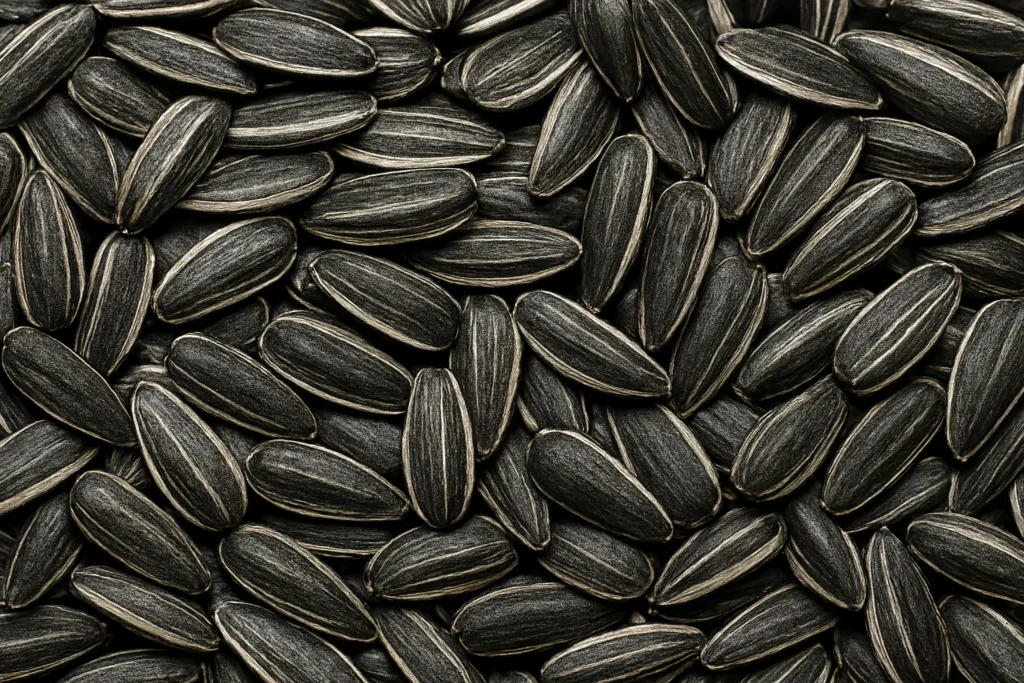
Topping our list are sunflower seeds, which deliver an impressive 10 milligrams of vitamin E per ounce—nearly 37% more than almonds. These tiny seeds are incredibly versatile, making them easy to incorporate into your daily routine. Sprinkle them over salads, blend them into smoothies, or enjoy sunflower seed butter as a delicious alternative to other nut spreads. Their mild, nutty flavor complements both sweet and savory dishes.
2. Hazelnuts: A Delicious Contender
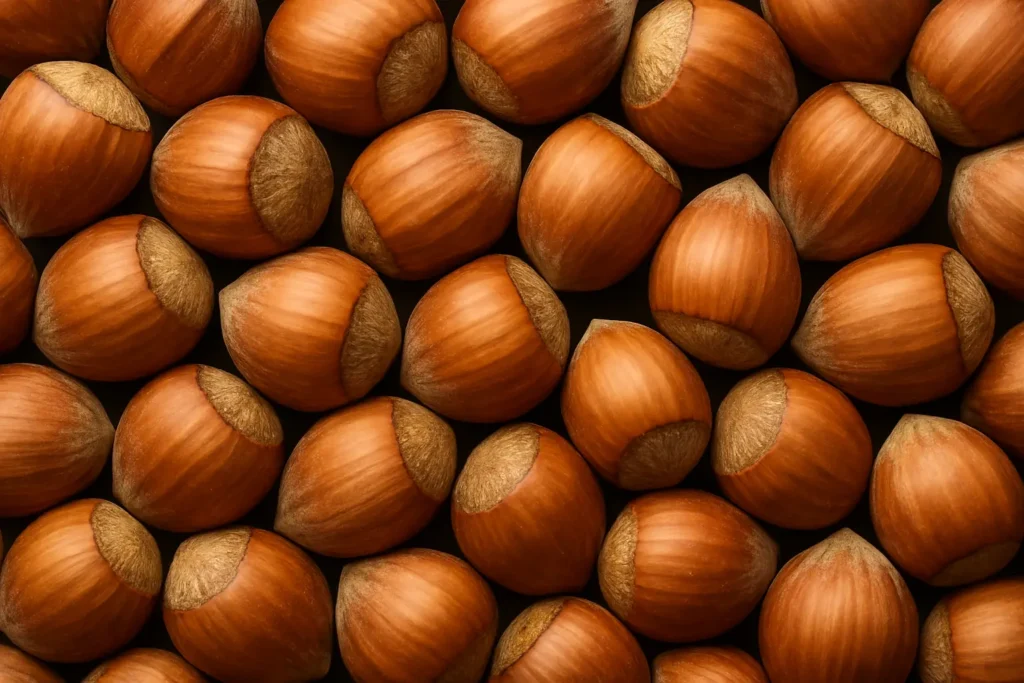
Hazelnuts offer approximately 4.3 milligrams of vitamin E per ounce when looking at a typical serving, but certain preparations can concentrate this further. These rich, buttery nuts work wonderfully in baked goods, as a coating for fish or chicken, or simply roasted as a satisfying snack. They’re also the star ingredient in popular chocolate spreads, though whole hazelnuts provide more nutritional benefits.
3. Spinach: Green Powerhouse
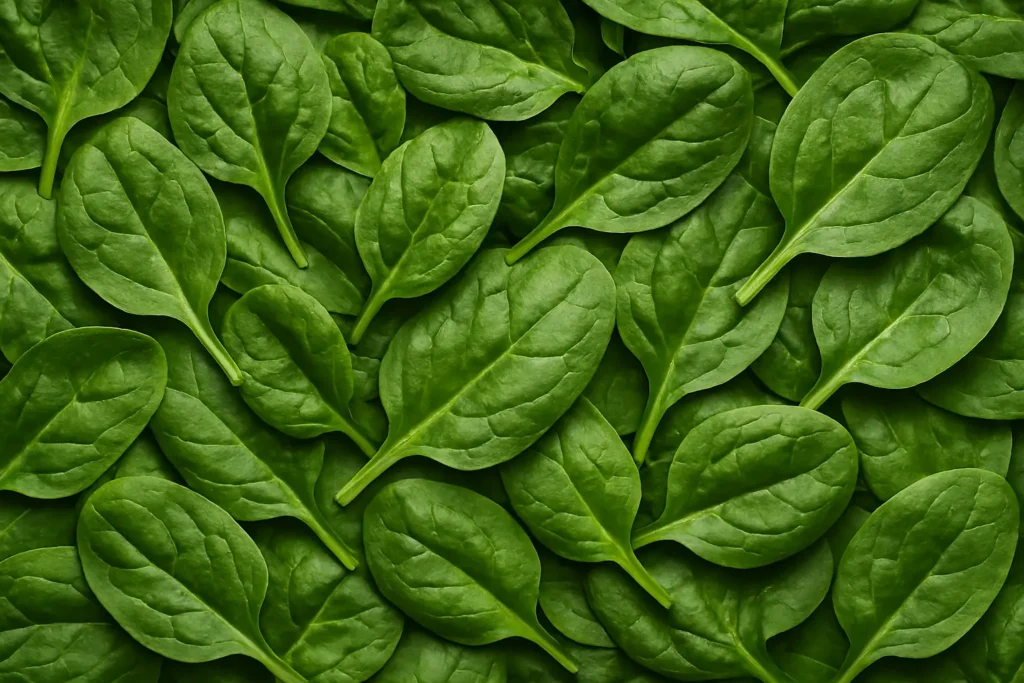
This leafy green vegetable proves that vitamin E isn’t exclusive to nuts and seeds. A single cup of cooked spinach provides about 3.7 milligrams of vitamin E, and because you typically consume larger portions of spinach than nuts, it’s easier to accumulate significant amounts. Spinach also brings iron, calcium, and numerous other vitamins to the table, making it a nutritional multitasker.
4. Wheat Germ Oil: The Concentrated Source
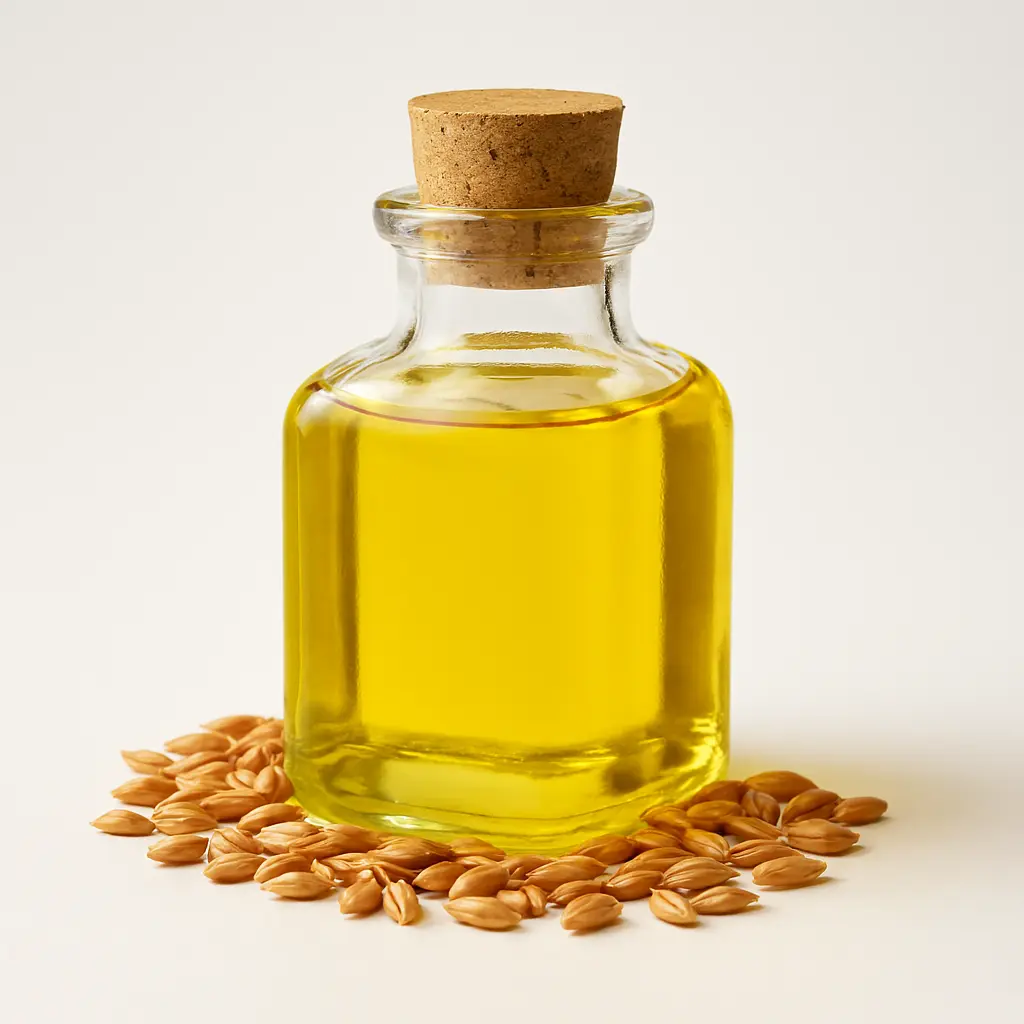
If you’re looking for the absolute highest concentration of vitamin E, wheat germ oil is unmatched. Just one tablespoon contains a whopping 20 milligrams—more than 100% of your daily needs. While you wouldn’t consume it in the same quantities as other foods, adding a small amount to salad dressings or smoothies can significantly boost your vitamin E intake. It has a distinct, slightly nutty flavor that works well when balanced with other ingredients.
5. Red Bell Peppers: A Colorful Surprise
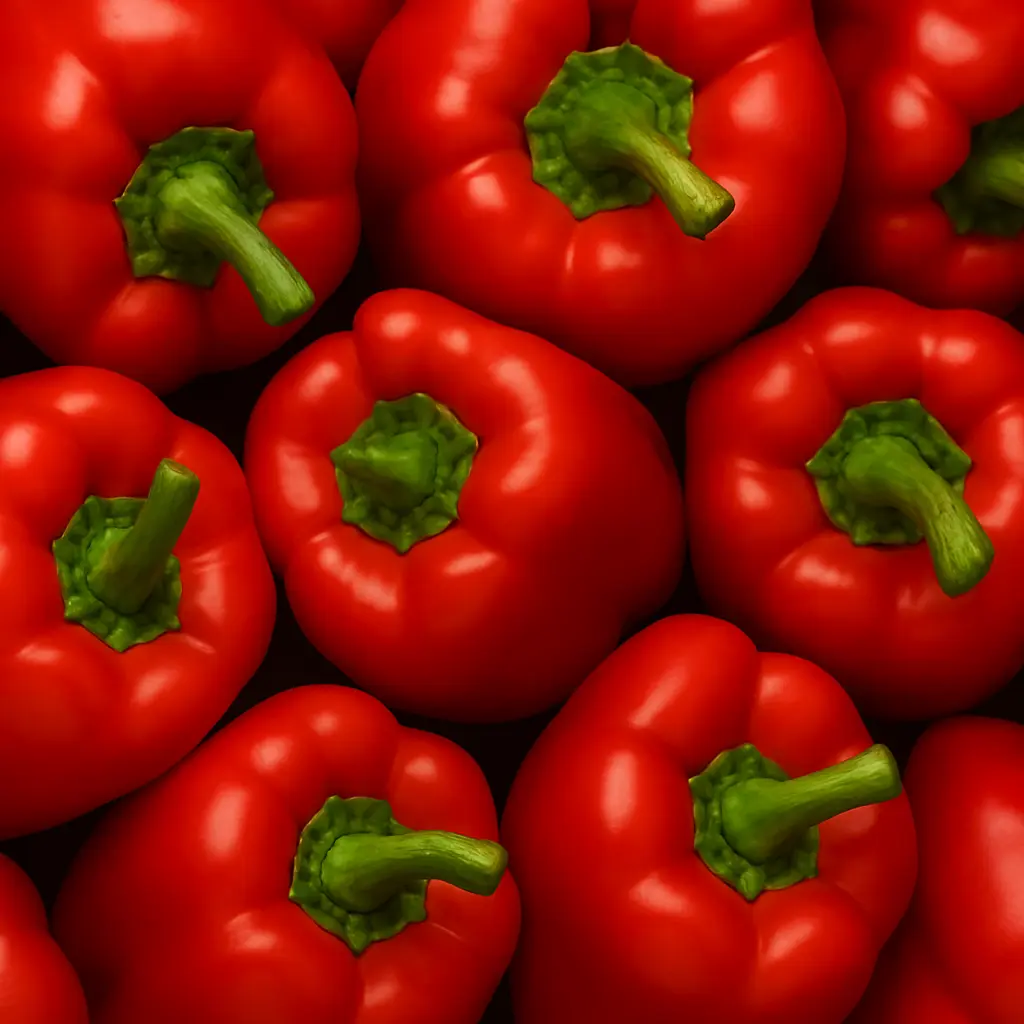
Many people don’t realize that vegetables can be excellent vitamin E sources. A medium red bell pepper contains approximately 1.9 milligrams, and when you consider that most people eat more than one serving of vegetables per meal, the vitamin E adds up quickly. Red peppers also provide more than twice your daily vitamin C needs, creating a powerful antioxidant combination that supports overall health.
6. Avocado: The Creamy Nutrient Powerhouse
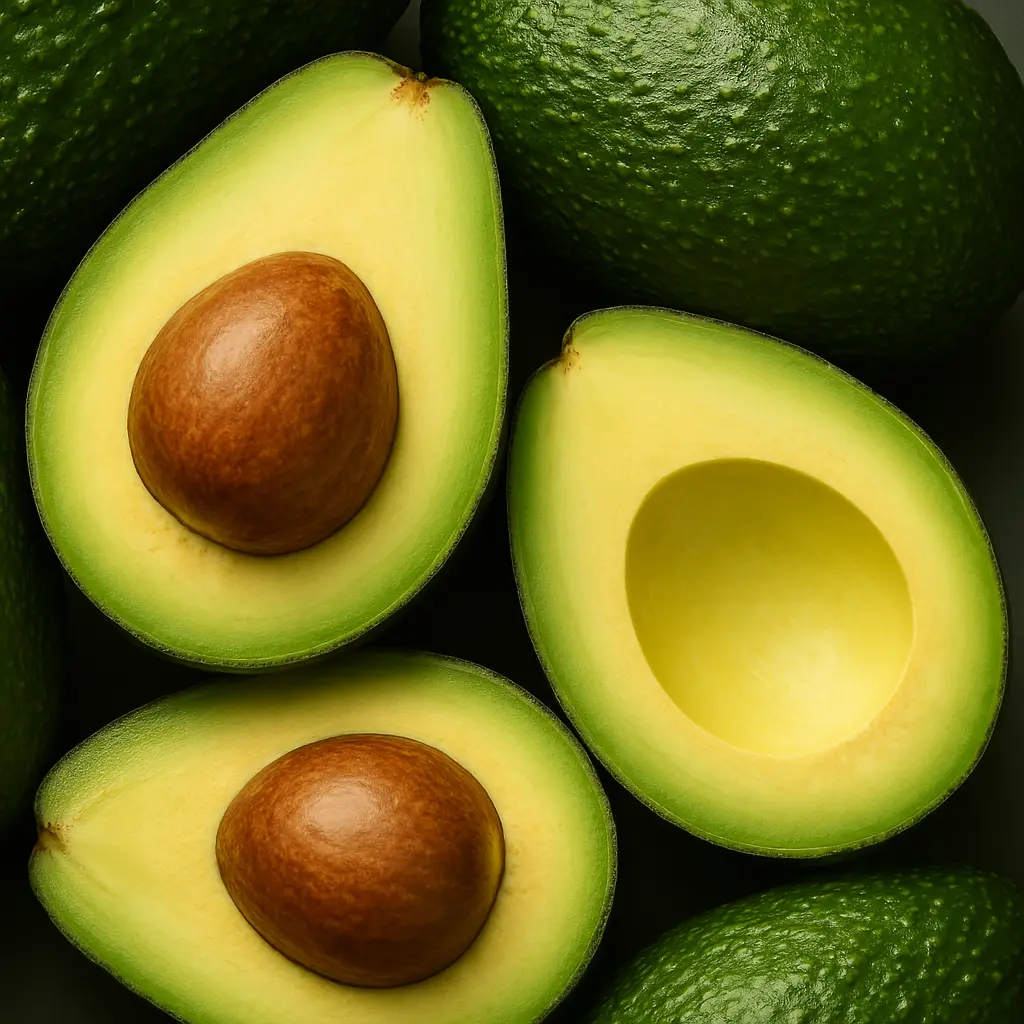
Half a medium avocado delivers about 2.1 milligrams of vitamin E while also providing healthy monounsaturated fats that help your body absorb this fat-soluble vitamin more effectively. Avocados are incredibly popular and easy to incorporate into modern diets—from toast and salads to smoothies and desserts. Their creamy texture and mild flavor make them appealing even to picky eaters.
7. Butternut Squash: The Comfort Food Option
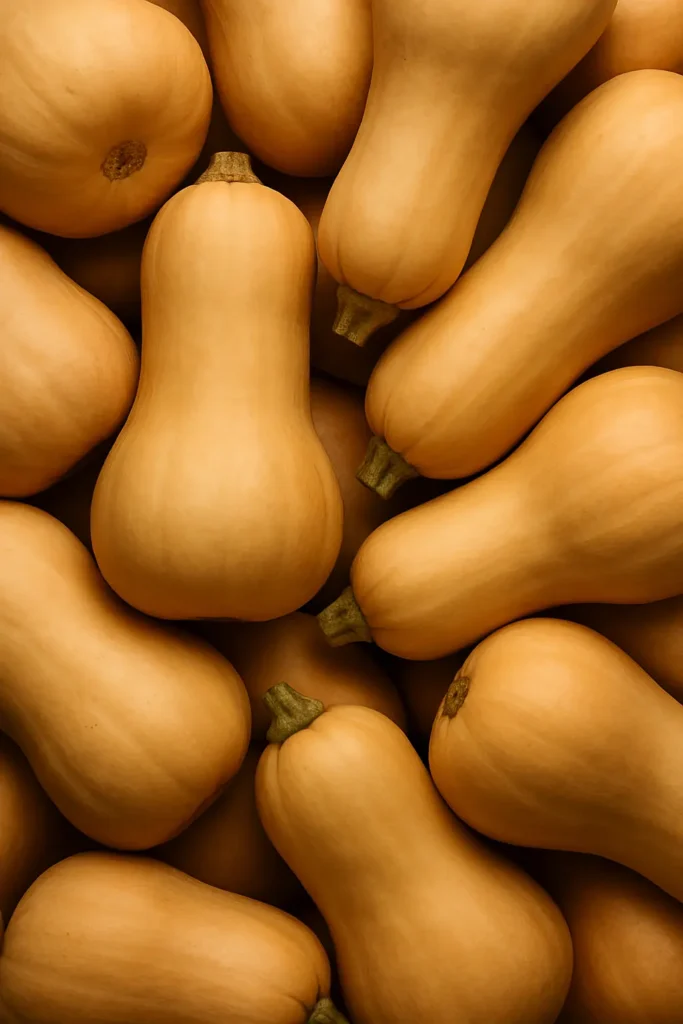
This winter squash variety offers approximately 2.6 milligrams of vitamin E per cup when cooked. Butternut squash is affordable, stores well, and can be prepared in countless ways—roasted, pureed into soup, spiralized into noodles, or mashed as a side dish. Its natural sweetness appeals to children and adults alike, making it an excellent family-friendly option for increasing vitamin E consumption.
Maximizing Vitamin E Absorption
Since vitamin E is fat-soluble, consuming it alongside healthy fats enhances absorption. This means drizzling olive oil on your spinach, adding avocado to your bell pepper salad, or enjoying sunflower seeds with a small amount of cheese all help your body utilize this important nutrient more effectively.
The Bottom Line
While almonds certainly deserve their reputation as a healthy snack, expanding your vitamin E sources ensures you’re getting adequate amounts of this crucial antioxidant while also diversifying your nutrient intake. By incorporating these seven foods into your regular meal rotation, you’ll naturally boost your vitamin E consumption without relying solely on nuts.
The key to optimal nutrition is variety, so experiment with different combinations of these vitamin E-rich foods to find what works best for your taste preferences and lifestyle. Your skin, immune system, and cells will thank you for the extra antioxidant protection.
| The healthy-life-expert.com crew collected the information via a field visit to provide accurate and genuine information. |

