9 Fermented Foods That Could Dramatically Boost Your Gut Health and Digestion
Fermented foods—like yogurt, sauerkraut, and kombucha—are rich in beneficial bacteria that help your gut function at its best. Studies show that adding more fermented foods to your meals can support a healthier gut microbiome, the network of microorganisms that helps break down food, protect the digestive system, and support overall well-being.
1. Apple Cider Vinegar

Apple cider vinegar is created by fermenting apple juice until it develops acetic acid. Many people use it for potential wellness perks, including digestion support. Because the fermentation process naturally produces probiotics, apple cider vinegar may help create a healthier environment for beneficial gut bacteria and support immune function.
If you’re shopping for apple cider vinegar, check the label for pasteurization. Pasteurized versions don’t contain the live bacteria linked to gut health benefits.
2. Kimchi

Kimchi is a spicy fermented cabbage dish popular in Korean cuisine. It contains a wide range of probiotic strains—more than sauerkraut—and is also packed with fiber, vitamins, minerals, antioxidants, and Lactobacilli.
Including kimchi in your diet may help improve digestion, support healthy cholesterol levels, and strengthen your immune system.
3. Kefir

Kefir is a tangy, fermented dairy drink known for its strong probiotic content, which can help diversify the bacteria in your gut. It also includes prebiotics, which fuel the growth of healthy gut microbes. In one study, people who consumed kefir for eight weeks reported noticeable improvement in digestive discomfort.
Kefir contains less lactose than many other dairy products, making it a possible choice for those with lactose sensitivity.
4. Kombucha

Kombucha is a bubbly drink made by fermenting tea with yeast, bacteria, and sugar. Some flavors also include added fruit. The fermentation process produces a very small amount of alcohol.
Research suggests that kombucha’s probiotics and antioxidants may help address gut dysbiosis—an imbalance in the gut’s bacterial community. However, the amount and type of probiotics can vary depending on the brand and batch.
5. Miso

Miso is a savory paste made by fermenting soybeans with a combination of mold, yeast, and bacteria. The probiotics in miso may support smoother digestion, better immune function, improved blood sugar control, and may even help reduce the risk of certain allergies.
6. Sauerkraut

Sauerkraut is shredded cabbage fermented with lactic acid bacteria. Because it retains many of its beneficial bacteria after fermentation, eating it regularly may help support a healthier gut microbiome.
Fresh, refrigerated sauerkraut provides the most probiotic benefits. Pasteurized sauerkraut, which is shelf-stable, doesn’t contain the same live cultures. Some people with irritable bowel syndrome may also find that sauerkraut worsens digestive symptoms.
7. Tempeh
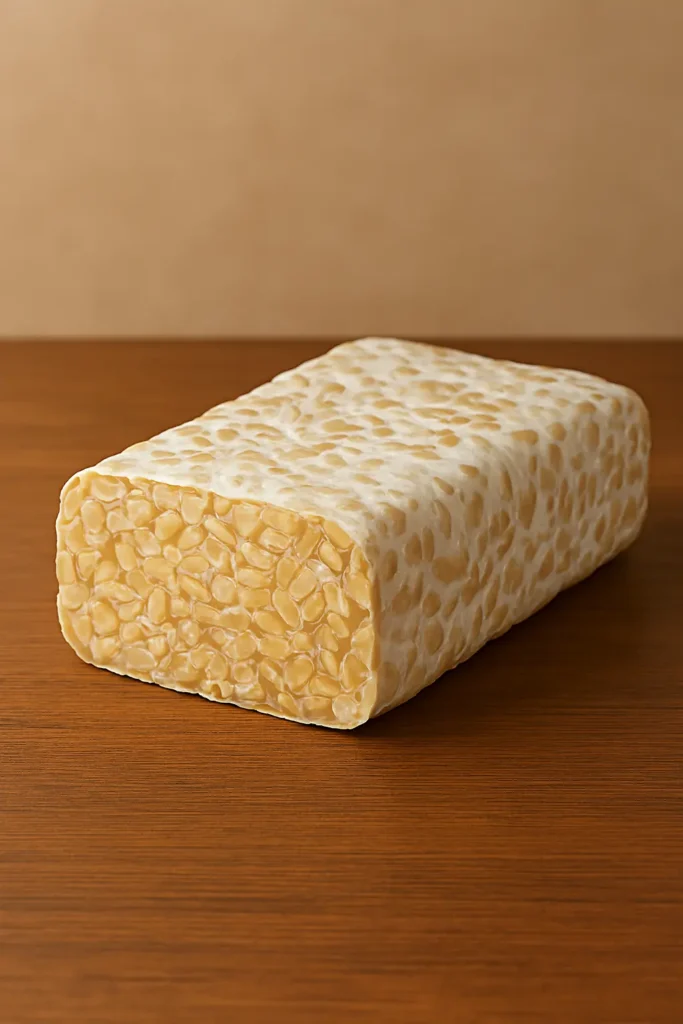
Tempeh is a firm, nutty product made by fermenting soybeans with fungi and beneficial bacteria, including strains of Lactobacillus. It’s naturally high in fiber, which promotes healthy digestion.
Many commercially sold tempeh products are cooked or pasteurized, which means they may not contain as many active probiotics as other fermented foods.
8. Yogurt

Yogurt is made by heating milk, introducing specific bacterial strains, and allowing the mixture to ferment. Most varieties contain probiotics that help balance the gut and may ease digestive issues.
Studies show that yogurt’s probiotics may help relieve common irritable bowel syndrome symptoms, such as bloating, constipation, and diarrhea.
9. Pickles

Pickles may be made through fermentation or traditional pickling. When fermented, cucumbers develop natural lactic acid, which encourages the growth of helpful gut bacteria. This can aid digestion and improve nutrient absorption.
Fermented pickles containing Lactobacillus have been linked to better digestive health, stronger immune function, and the presence of important vitamins, minerals, and antioxidants.

