9 Surprisingly Delicious Ways to Eat Pomegranate
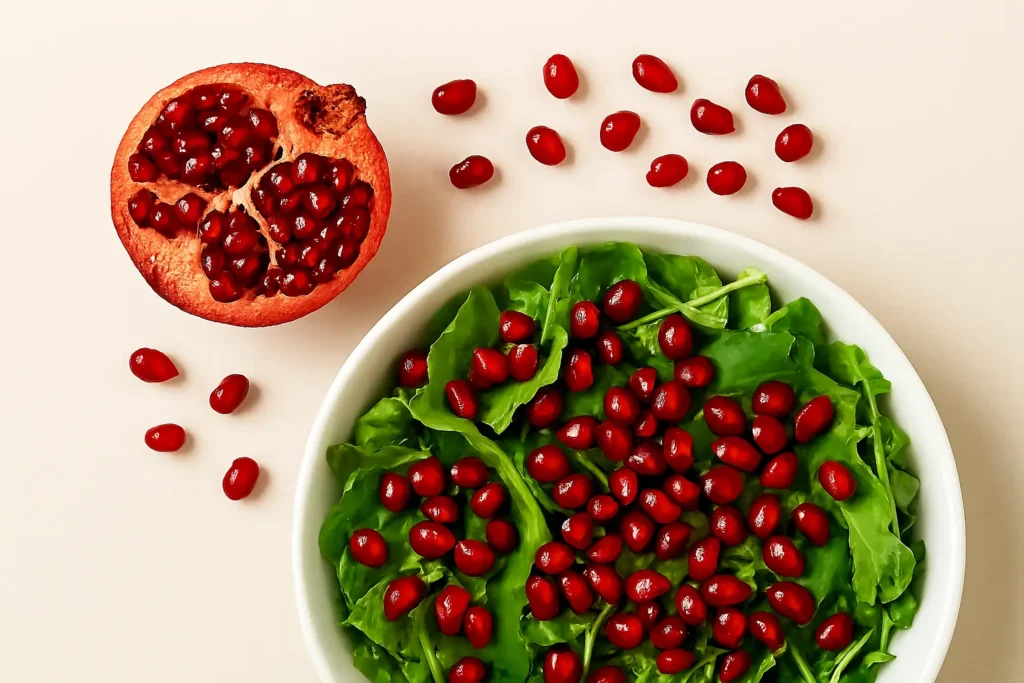
Pomegranate seeds—those tiny, jewel-like arils—are packed with antioxidants and add color, crunch, and a burst of tart sweetness to almost anything. Whether you enjoy them plain or mix them into your favorite dishes, there are plenty of easy ways to get more of this nutritious fruit.
1. Toss Them in Salads
Pomegranate seeds bring a juicy, slightly tart flavor to all kinds of salads. Add them to mixed greens or spinach with colorful veggies and fruits like oranges or diced apples. They add texture, brightness, and nutrients to every bite.
2. Blend Them in Smoothies
Using whole pomegranate seeds instead of juice gives you more fiber. Blend about 1/2 cup with pineapple, banana, and yogurt—or whatever smoothie base you like. Sprinkle a few seeds on top for extra crunch and color.
3. Glam Up Desserts
Their deep red shine makes pomegranate seeds an easy, beautiful dessert topper. They work well on trifles, yogurt with nuts and fruit, or even baked cobblers with apples or peaches. Add vanilla ice cream or frozen yogurt, then finish with seeds and a bit of mint. They even pair well with chocolate desserts for a sweet-tart contrast.
4. Swirl Them Into Mocktails
Pomegranate seeds instantly make drinks look festive and fun. Try mixing ginger ale with sparkling water, crushed mint, lime, and pomegranate juice for a refreshing, mojito-style mocktail. Or add juice and seeds to a non-alcoholic punch with orange juice and fruit slices floating on top.
5. Create a Sauce
A homemade pomegranate sauce is surprisingly simple. To make about two pints, you’ll need roughly 10 pomegranates. Extract the juice by blending and straining the arils (or mash them in a bag and squeeze). Once you have four cups of juice, simmer it with 1/2 cup lemon juice and one cup of sugar for five to ten minutes. Let it cool, then drizzle over yogurt, fruit bowls, butternut squash, or other roasted veggies. Toasted pecans make a great finishing touch.
6. Make a Relish or Salsa
Pomegranate seeds add a refreshing pop to relishes and salsas. Make a simple relish with chopped arils, ginger, orange zest, honey, and a pinch of salt. For a salsa, mix seeds with chopped green onions, cilantro, jalapeño, avocado, and olive oil. Serve it just like any other relish or salsa.
7. Add to Your Protein
Pomegranates can brighten up basic protein dishes. Try them in chicken salad with walnuts and mandarin oranges, or mix the seeds into honey to glaze chicken thighs or salmon. They also bring a tangy twist to pot roast or shredded, Mexican-inspired beef.
8. Sprinkle on Toast or Oatmeal
A quick morning upgrade is as easy as adding pomegranate seeds to your breakfast. Sprinkle them on avocado toast, stir them into oatmeal, or mix them with cottage cheese and berries for a nutritious start to your day.
9. Eat Them Plain
Sometimes the best way is the simplest—just eat them as they are. They’re delicious on their own or with pistachios. You can also dry them in a low oven until crisp and enjoy them like nuts, or freeze them to use later.
How to Select and Prep Pomegranates
Pick fruits that are deep red with shiny skin and slightly flattened sides. Because they can get messy, consider wearing food prep gloves and a shirt you don’t mind staining.
Cut off the top (where the stem was), then score the skin around the fruit to mark two halves. Opening the pomegranate under water helps reduce splatter. Pry it open and either remove the seeds in the water or place the sections seed-side down and tap firmly with a spoon to release the arils. Remove any bitter white pith.
Pomegranate Nutrition
One cup of pomegranate seeds contains:
Calories: 144
Fat: 2 g (saturated fat 0.21 g, trans fat 0 g)
Cholesterol: 0 mg
Sodium: 5.2 mg
Carbohydrate: 32.5 g
Fiber: 7 g
Sugar: 23.8 g
Protein: 2.9 g
Vitamin C: 17.7 mg
Iron: 0.52 mg
Calcium: 17.4 mg
Potassium: 410.6 mg
Phosphorus: 62.6 mg
Pomegranates are especially rich in polyphenols—powerful antioxidants—and contain three times more antioxidants than green tea.
| The healthy-life-expert.com crew collected the information via a field visit to provide accurate and genuine information. |

