Air Pollution – What causes Air Pollution?

Date:

Share post:

  Introduction 

In an era dominated by the hum of progress and the relentless march of industrialization, the skies above bear witness to an insidious foe silently infiltrating the very air we breathe. Air pollution, a stealthy assailant spawned by the relentless pursuits of modernity, has emerged as an unparalleled environmental menace, casting a shadow over both human well-being and the delicate equilibrium of our planet.

The genesis of this predicament lies in the human quest for advancement, where each exhale of progress seems to exhale a toxic residue into the Earth’s atmosphere. The introduction of deleterious substances into the air is not merely an unintended consequence but an integral part of the narrative of industrial evolution. Particulate matter, ground-level ozone, sulfur dioxide, nitrogen oxides, and volatile organic compounds are the nefarious players in this airborne drama, each with its unique signature of harm.

As urban centers burgeon and industrial machinery roar to life across the globe, the symphony of human activity orchestrates a crescendo of pollution. The consequence of this harmonious dissonance is an escalating impact on air quality and ecosystems, etching an indelible mark on the very fabric of the atmosphere. Urbanization, the catalyst for societal progress, becomes a double-edged sword, as the sprawling concrete jungles feed voraciously on resources, exhaling pollutants that linger menacingly in the air.

Breathing in this tainted atmosphere, humanity faces a plethora of consequences, each more insidious than the last. Respiratory health, a cornerstone of individual well-being, becomes a casualty of the polluted air we inhale. As the invisible assailants infiltrate our lungs, the toll on respiratory systems reverberates through communities, silently undermining the vitality of entire populations.

Yet, the repercussions of air pollution extend far beyond the realm of individual health. The Earth, burdened with the weight of our collective emissions, grapples with the repercussions of climate change. The delicate balance of ecosystems is disrupted, and biodiversity, the intricate dance of life, faces existential threats. The stakes are high, and the imperative to address the complex web of issues surrounding air pollution is more urgent than ever.

To navigate this intricate labyrinth of challenges, a comprehensive understanding of the sources and effects of air pollution is indispensable. Only by unraveling the intricacies of this airborne menace can we hope to implement sustainable solutions that transcend the superficial remedies of the past. The call for concerted efforts echoes through the winds polluted with human ambitions, urging us to forge a path toward a future where the air we breathe is untainted by the shadows of our progress.

In conclusion, the battle against air pollution demands a holistic and human-centric approach, acknowledging the interconnectedness of our actions with the environment. As we strive to mitigate the adverse impacts of our pursuits on both human populations and the planet, let us be guided by the imperative for sustainable solutions and collective responsibility. Only then can we hope to dispel the silent specter looming above, restoring the purity of the air we share and securing a healthier, more vibrant future for all.


  1. What is air pollution?  
Air pollution

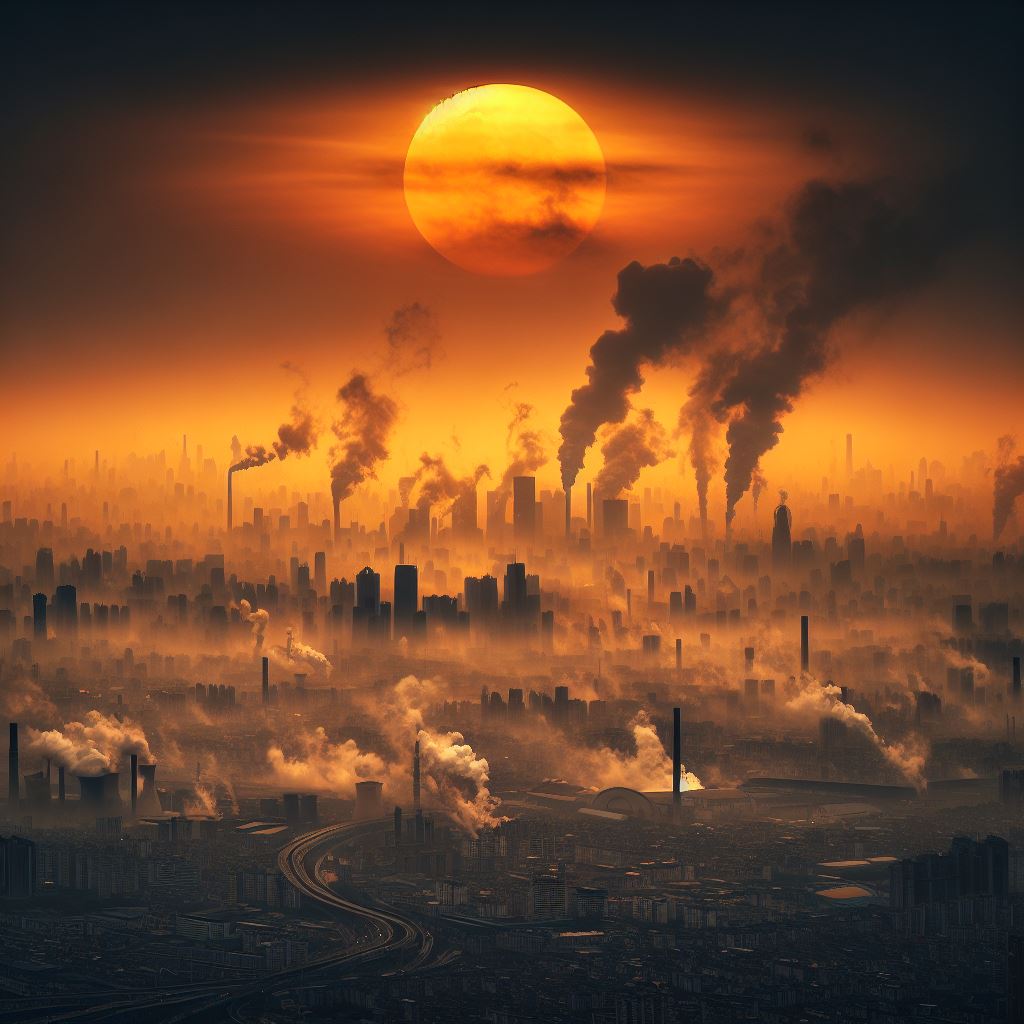
In the ethereal canvas of the Earth’s atmosphere, a silent symphony unfolds, harmonizing both natural wonders and human-made tribulations. Air pollution, an intricate ballet of harmful substances suspended in the air, intricately weaves its tale of environmental distress, impacting not only the health of our planet but also the delicate balance of life itself.

Particulate Matter (PM), the clandestine actors in this airborne drama, are minuscule entities suspended in the air, dancing with the wind. These diminutive particles, solid or liquid, possess the uncanny ability to penetrate the deepest recesses of our respiratory system, their impact extending far beyond their size.

Ground-level ozone (O3), a secondary player in this atmospheric theater, emerges from the clandestine union of nitrogen oxides (NOx) and volatile organic compounds (VOCs) beneath the caress of sunlight. This invisible antagonist, when present at ground level, orchestrates a discordant melody that resonates with respiratory issues, a subtle yet potent threat to human well-being.

Nitrogen Oxides (NOx), the offspring of combustion in the belly of fossil fuel-driven beasts, infiltrate the air with their presence. Their role in the creation of smog, a haze that cloaks urban landscapes, obscures not only the horizon but also poses a subtle menace to the respiratory symphony of life.

Sulfur Dioxide (SO2), a byproduct of the fiery union between fossil fuels and sulfur-laden ores, weaves itself into the tapestry of air pollution. Its insidious presence can lead to respiratory maladies, while its contribution to acid rain becomes a somber note in the composition of environmental degradation.

Volatile Organic Compounds (VOCs), the organic virtuosos of this atmospheric orchestra, vaporize into the air, adding complexity to the airborne score. Emerging from industrial processes, vehicle emissions, and everyday household products, these compounds lend their essence to the formation of ground-level ozone, further complicating the delicate harmony.

Carbon Monoxide (CO), the elusive and odorless infiltrator, emerges from incomplete combustion, wrapping itself around the very air we breathe. Its interference with the body’s oxygen transport becomes a subtle but potentially deadly undertone, particularly in the enclosed spaces we inhabit.

Lead, a once-prominent character in the narrative of air pollution, has seen a reduction in its levels due to regulatory measures. Yet, this toxic metal, a legacy of industrial pursuits and leaded gasoline use, still lingers in the air, adding a ghostly echo to the modern-day symphony of atmospheric challenges.

The Genesis of Air Pollution is a tale with dual protagonists: natural phenomena, such as wildfires, volcanic eruptions, and dust storms, entwine with human activities, spanning from the rhythmic beats of transportation to the industrial crescendos and the agricultural undertones. The consequences of this airborne ballet extend far beyond the immediate horizon, casting a prolonged shadow over human health, ecosystems, and the delicate dance of climate change.

Prolonged exposure to these airborne minstrels can unravel the fabric of respiratory and cardiovascular health, casting a pall over the symphony of life. Ecosystems, the silent spectators to this aerial performance, bear witness to adverse effects, while the overarching theme of climate change reverberates through the very core of our planet.

Mitigating the multifaceted challenges posed by air pollution necessitates a nuanced approach that transcends mere regulatory measures. Technological advancements, akin to a crescendo in human ingenuity, and sustainable practices become the instrumental keys to reducing emissions and composing a protective shield for both human health and the environment.

As we navigate the complex tapestry of airborne perils, let us embrace the responsibility to harmonize our actions with the environment, orchestrating a symphony that celebrates the resilience of our planet and ensures a sustainable melody for generations to come.


SectorPollutants
TransportationNitrogen oxides (NOx), Carbon monoxide (CO), Particulate matter (PM), Volatile organic compounds (VOCs)
AviationNitrogen oxides, Particulate matter
Industrial ActivitiesSulfur dioxide (SO2), Nitrogen oxides, Particulate matter, VOCs
Power PlantsSulfur dioxide, Nitrogen oxides, Particulate matter
AgricultureVOCs (from pesticides and fertilizers), Ammonia and Methane (from livestock farming)
ResidentialParticulate matter, Carbon monoxide (from burning of solid fuels), Methane and other gases (from waste management)
Natural SourcesParticulate matter, Gases (from wildfires), Sulfur dioxide, Ash (from volcanic activity)
ConstructionDust emissions
DeforestationParticulate matter, Greenhouse gases (from biomass burning)
Oil and Gas ExtractionFugitive emissions, Methane
Maritime ActivitiesSulfur dioxide, Nitrogen oxides, Particulate matter


  3. How does air pollution affect the environment?  

Air pollution

In the intricate ballet of the Earth’s atmospheric theater, air pollution emerges as a lead performer, casting its pervasive influence on the entire environmental ensemble. Beyond the immediate grasp of the atmosphere, the repercussions of heightened pollutant levels weave a narrative that reverberates through ecosystems, climate dynamics, and the overall well-being of our planet. In this clandestine interplay between human activities and the natural world, air pollution etches its impact across various dimensions, creating a complex symphony of consequences.

✔. The Dance of Climate Change: At the forefront of this environmental ballet is the contribution of air pollution to climate change. Greenhouse gases, such as carbon dioxide (CO2) and methane (CH4), perform a climatic pas de deux, enhancing the greenhouse effect. The consequence is a gradual warming of the planet, triggering shifts in weather patterns, elevating sea levels, and unsettling ecosystems. This atmospheric choreography results in a climatic performance that demands our attention and collective action.

✔. Ozone’s Elegy: A somber movement in this ballet unfolds with the depletion of the stratospheric ozone layer. Chlorofluorocarbons (CFCs) take center stage, orchestrating the thinning of the ozone layer. As this protective shield weakens, harmful ultraviolet (UV) radiation pierces through, casting potential risks upon human health, wildlife, and delicate ecosystems. The dance of ozone depletion unfolds silently but carries consequences that resonate across generations.

✔. Acid Rain’s Melancholy Waltz: Sulfur dioxide (SO2) and nitrogen oxides (NOx) join hands to choreograph the melancholic dance of acid rain. This atmospheric duet descends upon the Earth, adversely affecting soil quality, contaminating water bodies, and leaving an indelible mark on vegetation. The impacts of this acid rain waltz extend far beyond the atmosphere, influencing ecosystems and aquatic life in an environmental elegy.

✔. Eutrophication’s Subtle Ballet: Nitrogen compounds gently alight onto land and water, contributing to the subtle ballet of eutrophication. This excess of nutrients disrupts the delicate equilibrium of aquatic ecosystems, triggering algal blooms, depleting oxygen levels, and harming the intricate dance of aquatic life. The environmental consequences of this understated ballet echo through water bodies, leaving a lasting imprint on biodiversity.

✔. Respiratory Health’s Symphony: In the atmospheric crescendo, particulate matter (PM) and ground-level ozone take the lead, orchestrating a symphony that affects not only the environment but also human and animal health. The repercussions resonate in the form of respiratory problems, exacerbating conditions like asthma and chronic obstructive pulmonary disease (COPD). The stage is set for a duet between air quality and the well-being of living organisms.

✔. Biodiversity’s Silent Ballet: Habitat degradation emerges as a silent but impactful movement in the environmental ballet. Air pollution contributes to the slow degradation of natural habitats, disrupting the habitats of plant and animal species. Some pollutants directly harm organisms, while others subtly alter ecosystems by modifying food sources and habitats. Biodiversity becomes a delicate dancer in this intricate ballet, facing the challenges posed by human-induced environmental changes.

7. Soil Contamination’s Pas de Deux: The deposition of airborne pollutants onto the soil marks a graceful pas de deux in the environmental ballet. This contamination affects soil fertility, nutrient cycling, and plant health. The dance of pollutants in the soil echoes through the food chain, posing risks to human health and the delicate balance of terrestrial ecosystems.

✔. The Veil of Visibility Reduction: Fine particulate matter and aerosols create an ethereal veil, reducing visibility in the environmental theater. This visual impairment impacts transportation safety and diminishes the aesthetic value of landscapes. The silent dance of airborne particles transforms the atmosphere into a hazy spectacle, altering our perception of the world around us.

✔. Water Quality’s Aqueous Ballet: Airborne pollutants gracefully settle into water bodies, influencing the aqueous ballet of water quality. Changes in pH levels, nutrient concentrations, and overall water chemistry disrupt aquatic ecosystems. The environmental ballet extends its reach beneath the water’s surface, impacting the delicate balance of aquatic life.

✔. Material Damage’s Architectural Ballet: Sulfur dioxide and nitrogen oxides take center stage in the architectural ballet of material damage. This corrosive dance impacts buildings, monuments, and infrastructure, leaving an indelible mark on cultural heritage and the built environment. The environmental ballet unfolds on the canvas of human creations, silently altering the tangible elements of our surroundings.

In conclusion, the multifaceted impact of air pollution on the environment is a ballet that plays out across diverse stages, each movement leaving an imprint on the intricate fabric of our planet. To preserve the delicate harmony of this environmental ballet, concerted efforts, regulatory measures, technological innovations, and sustainable practices must take the lead. As we navigate the complexities of this unseen ballet, let our actions on the global stage compose a symphony of change that echoes through the annals of environmental stewardship.


  4. How to reduce air pollution?  

Air pollution

Reducing air pollution requires a comprehensive and collaborative approach that involves individuals, communities, industries, and policymakers. By adopting sustainable practices, employing cleaner technologies, and implementing regulatory measures, we can collectively mitigate the sources of air pollution. Here are several strategies and actions to reduce air pollution:

✔. Promote Sustainable Transportation:

    • Encourage the use of public transportation, cycling, and walking.
    • Invest in and expand public transit systems to reduce reliance on individual vehicle use.
    • Support and adopt electric vehicles (EVs) to decrease emissions from the transportation sector.

✔. Improve Fuel Quality:

    • Implement and enforce stricter fuel quality standards to reduce emissions from vehicles.
    • Promote the use of cleaner fuels, such as low-sulfur diesel and biodiesel.

✔. Enhance Industrial Processes:

    • Encourage industries to adopt cleaner production technologies and processes.
    • Implement and enforce stringent emissions standards for industrial facilities.
    • Invest in research and development of cleaner technologies for various industries.

✔. Transition to Clean Energy:

    • Shift from fossil fuel-based energy sources to renewable energy alternatives (solar, wind, hydropower).
    • Support and invest in the development of clean energy technologies.
    • Implement energy efficiency measures to reduce overall energy consumption.

✔. Regulate and Monitor Emissions:

    • Enforce and strengthen air quality regulations for industries, power plants, and vehicles.
    • Implement monitoring systems to track and control emissions from various sources.

✔. Encourage Sustainable Agriculture:

    • Promote organic farming practices that minimize the use of chemical fertilizers and pesticides.
    • Implement precision farming techniques to optimize resource use and reduce emissions.

✔. Manage Waste Effectively:

    • Encourage recycling and proper waste disposal practices.
    • Implement waste-to-energy technologies to reduce the impact of open burning.

✔. Plant Trees and Create Green Spaces:

    • Promote afforestation and reforestation initiatives to absorb pollutants and improve air quality.
    • Establish urban green spaces to enhance air quality in densely populated areas.

✔. Educate and Raise Awareness:

    • Conduct public awareness campaigns on the impact of air pollution and the importance of individual actions.
    • Educate communities about sustainable practices and the benefits of reducing their carbon footprint.

✔. Implement Clean Construction Practices:

    • Control dust emissions at construction sites through water spraying and other dust suppression measures.
    • Adopt environmentally friendly construction materials and methods.

✔. Support International Cooperation:

    • Collaborate with neighboring countries to address cross-border air pollution issues.
    • Share best practices, technologies, and policies to collectively reduce regional and global air pollution.

✔. Incentivize Innovation:

    • Provide financial incentives for industries and individuals adopting clean technologies.
    • Support research and development for innovative solutions to address air pollution challenges.

✔. Regulate Indoor Air Quality:

    • Implement measures to improve indoor air quality, as indoor pollution can also contribute to health issues.
    • Encourage the use of air purifiers, proper ventilation, and non-toxic household products.

✔. Foster Sustainable Urban Planning:

    • Design cities with a focus on reducing traffic congestion and promoting efficient public transportation.
    • Integrate green spaces into urban planning to improve air quality and overall well-being.

Reducing air pollution is a multifaceted challenge that requires commitment and coordinated efforts from various stakeholders. By adopting a combination of regulatory measures, technological advancements, and sustainable practices, we can work towards creating a cleaner and healthier environment for current and future generations.


Read more: Cancer: Symptoms and Causes


The healthy-life-expert.com crew collected the information via a field visit to provide accurate and genuine information.


Related articles

Is Coffee Good for You? The Science Behind Your Daily Cup

Is Coffee Good for You? The Science Behind Your Daily Cup Coffee is one of the most beloved beverages...

High LDL Cholesterol Could Be Silently Damaging Your Heart—Here’s How to Lower It Naturally

High LDL Cholesterol Could Be Silently Damaging Your Heart—Here’s How to Lower It Naturally You could have high LDL...

Top 7 Exercises for Bicep Tendonitis That Speed Up Recovery and Reduce Pain

Top 7 Exercises for Bicep Tendonitis That Speed Up Recovery and Reduce Pain Bicep tendonitis can turn simple daily...

Egg Whites or Whole Eggs? The Surprising Truth About Weight Loss and Heart Health

Egg Whites or Whole Eggs? The Surprising Truth About Weight Loss and Heart Health Egg whites and whole eggs...