Introduction
Autism is often misunderstood, yet millions of families around the world live with it every day. Officially known as Autism Spectrum Disorder (ASD), it is not a disease but a developmental condition that affects how people perceive the world, communicate, and interact with others.
Autism is called a spectrum because it affects individuals differently—some may need significant support, while others live independently with unique strengths. Understanding autism is the first step in creating a more inclusive and compassionate world.
What is Autism?
Autism, or Autism Spectrum Disorder (ASD), is a neurological and developmental condition that typically appears in early childhood. It affects communication, social interaction, and behavior.
Key traits of autism may include:
- Difficulty with social communication (eye contact, conversations, understanding emotions).
- Repetitive behaviors or routines.
- Intense focus on specific interests.
- Sensory sensitivities (sensitive to sounds, lights, or textures).
Because autism is a spectrum, each person’s challenges and strengths are unique.
What Causes Autism?
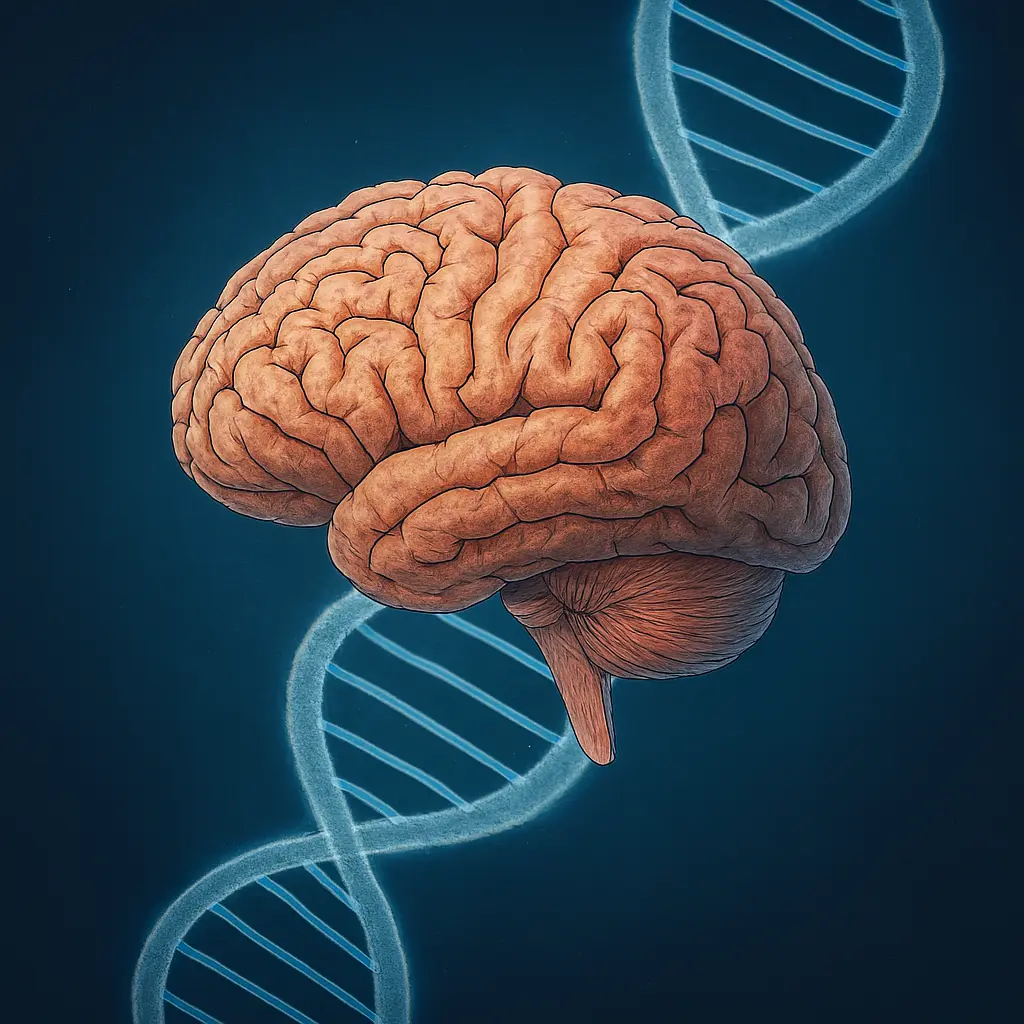
The exact cause of autism is still not fully understood. Researchers believe it results from a combination of genetic and environmental factors.
- Genetic influences: Certain gene mutations may increase the likelihood of autism.
- Environmental factors: Exposure to toxins, advanced parental age, pregnancy complications, or low birth weight may also play a role.
- Brain development differences: Imaging studies show that people with autism may have differences in brain connectivity.
Importantly, autism is not caused by vaccines, a myth that has been widely debunked by science.
Is Autism Genetic?
Yes, genetics plays a major role in autism. Studies show that autism often runs in families, and having one child with autism increases the chance of another child being on the spectrum.
However, it’s not a single “autism gene.” Instead, autism is linked to multiple genetic variations that, when combined with environmental influences, can increase the risk.
This is why autism is often seen as a complex condition with multiple causes rather than one single explanation.
What is the Autism Disorder?
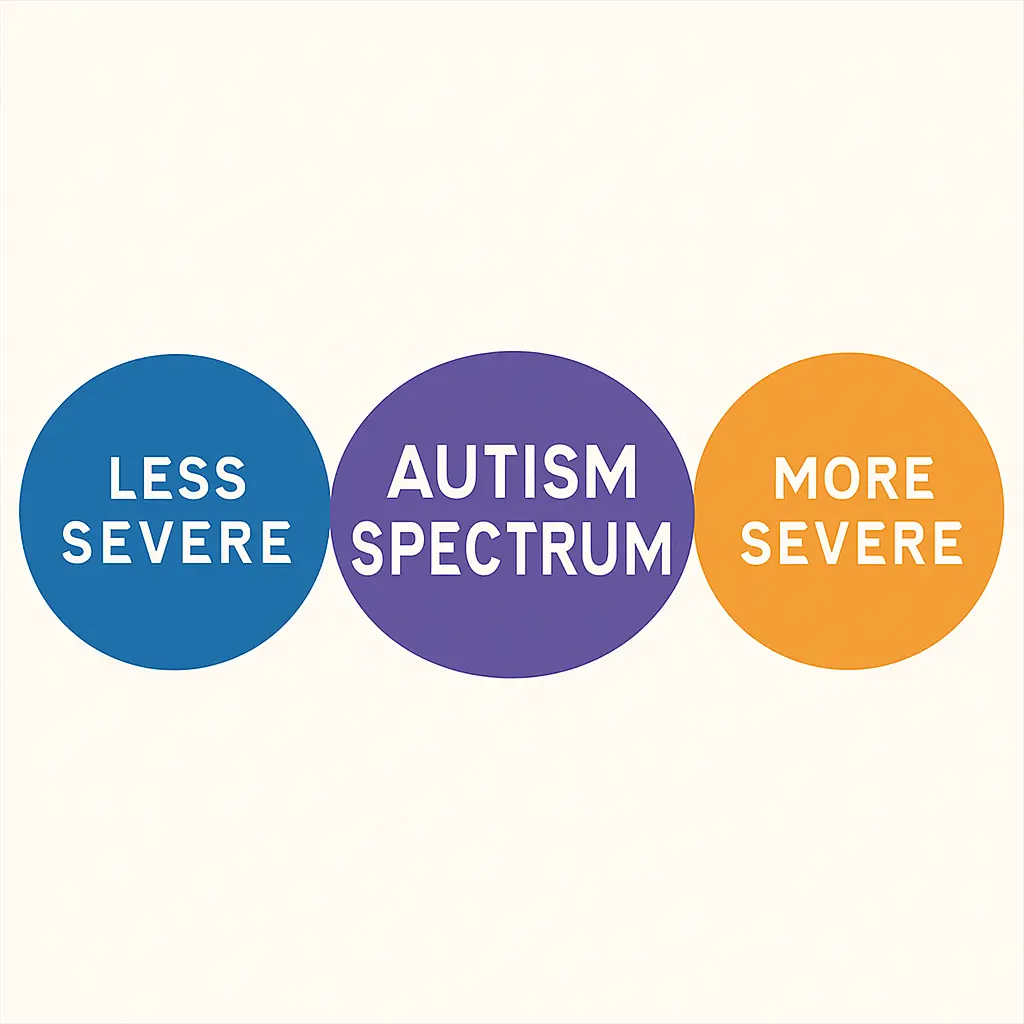
Autism Spectrum Disorder (ASD) is the official medical term. It is not one disorder but a group of related conditions under the same umbrella.
The spectrum includes:
- Autistic Disorder: The classic form, often with significant challenges in communication and daily living.
- Asperger’s Syndrome: Typically milder, with strong intellectual ability but social interaction difficulties.
- Pervasive Developmental Disorder-Not Otherwise Specified (PDD-NOS): Now included under ASD for people who don’t fit neatly into other categories.
All of these fall under Autism Spectrum Disorder, reflecting the wide range of abilities and challenges people may experience.
Autism Spectrum Test
Autism is diagnosed through a combination of behavioral observations, questionnaires, and developmental history.
Some common autism screening tools include:
- M-CHAT (Modified Checklist for Autism in Toddlers): For early detection in children aged 16–30 months.
- ADOS (Autism Diagnostic Observation Schedule): A structured test used by professionals.
- AQ (Autism Spectrum Quotient Test): A questionnaire that measures traits of autism in adults.
If you suspect autism, it’s important to seek evaluation from a healthcare professional such as a pediatrician, neurologist, or child psychologist. Early diagnosis can provide better support and therapy options.
Living with Autism
Autism is not something to be “cured”—it is part of who a person is. With the right support systems, many people with autism thrive.
- Therapies: Speech therapy, occupational therapy, and behavioral therapy can help.
- Education support: Tailored learning environments encourage growth.
- Community understanding: Awareness and acceptance make a huge difference.
Autistic individuals often excel in areas such as math, art, music, memory, and problem-solving when given the opportunity.
Conclusion
Autism is a spectrum, not a single condition. It affects people in unique ways, but with early diagnosis, therapy, and supportive communities, individuals with autism can live fulfilling lives.
By understanding what autism is, its causes, the genetic role, and the importance of spectrum testing, we can move closer to a world where differences are respected and strengths are celebrated.
| Read more: Meningitis : Symptoms, Causes |
| The healthy-life-expert.com crew collected the information via a field visit to provide accurate and genuine information. |

