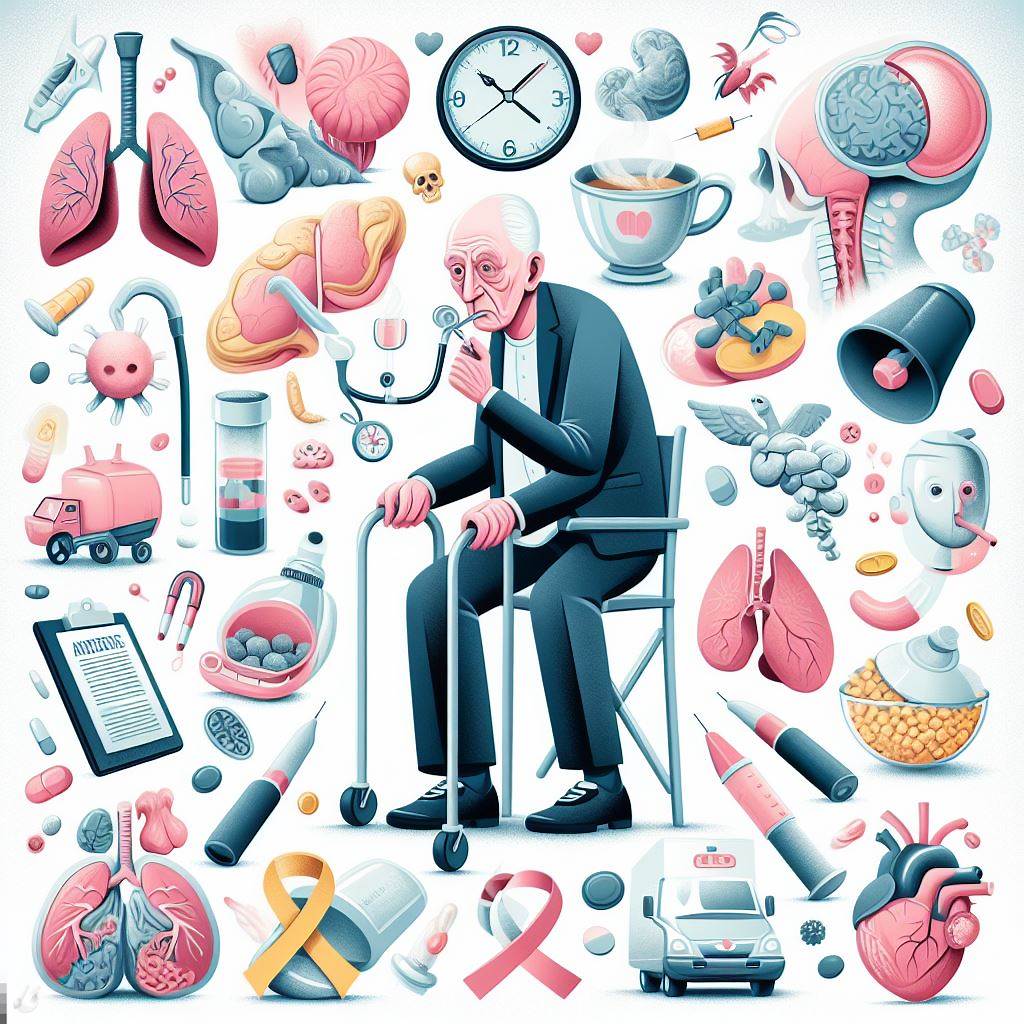
Chronic diseases

Date:

Share post:

  Introduction  

Chronic maladies, often denoted as non-communicable afflictions (NCAs), stand as an imposing global health quandary, profoundly influencing individuals, communities, and healthcare systems. Unlike fleeting ailments characterized by sudden onsets and brief durations, chronic diseases linger for extended periods, spanning months or even years. This category encompasses a broad spectrum of health challenges, encompassing cardiovascular maladies, diabetes, persistent respiratory disorders, cancer, and conditions affecting mental well-being.

The worldwide escalation in the prevalence of chronic diseases presents a substantial contribution to the overarching burden of disease. Shifts in lifestyle, the advancing age of populations, the inexorable march of urbanization, and alterations in dietary patterns all contribute to the mounting incidence of these enduring conditions. Beyond the personal toll on individuals’ quality of life, chronic diseases pose formidable economic and social quandaries, stretching healthcare resources to their limits and exerting detrimental effects on overall productivity.

Deciphering the intricate interplay of genetic predispositions, environmental influences, and behavioral factors is imperative for efficacious prevention, management, and treatment of chronic diseases. Initiatives in public health, adjustments to lifestyle, and strides in medical research and technological innovation all play pivotal roles in grappling with the nuanced dimensions of chronic diseases.

This introduction lays the groundwork for an exhaustive exploration of chronic diseases, delving into their origins, contributing factors, impact on global health, and the dynamic strategies evolving for prevention, early identification, and effective management. As societies grapple with the burgeoning weight of chronic diseases, an all-encompassing and collaborative methodology becomes indispensable to nurture a healthier future for individuals and communities on a global scale.


  1. What are chronic diseases?  

Chronic diseases

Chronic ailments delineate protracted medical circumstances characterized by their enduring and frequently gradual progression. These health challenges exhibit an extended temporal presence, often stretching across months or even years, setting them apart from acute maladies with abrupt onsets and typically briefer durations.

A myriad of health issues find their place within the realm of chronic diseases. Illustrative instances encompass cardiovascular afflictions, exemplified by heart diseases and strokes, diabetes, persistent respiratory disorders like chronic obstructive pulmonary disease or asthma, diverse manifestations of cancer, and mental health conditions.

The escalation in chronic diseases is underpinned by multifaceted factors such as shifts in lifestyle, an increasingly aged population, urbanization trends, and alterations in dietary patterns. This surge poses a formidable global health predicament, significantly augmenting the overall burden of disease.

Comprehending the genesis of chronic diseases necessitates navigating the intricate interplay of genetic predispositions, environmental influences, and behavioral determinants. Addressing these conditions encompasses a spectrum of endeavors, including initiatives in public health, lifestyle adjustments, and the integration of cutting-edge advances in medical research and technology, all aimed at preventive measures, efficient management, and innovative treatment modalities.

In synthesis, chronic diseases embody enduring health conditions with enduring consequences, impacting individuals, communities, and healthcare systems. Effectively navigating and mitigating the impact of chronic diseases demands a holistic and synergistic approach, one that spans diverse sectors of society.


  2. What is Chronic Kidney disease?  

Chronic diseases

Chronic Kidney Disease (CKD) stands as a persistent affliction where the intricate machinery of the kidneys undergoes a gradual decline in functionality. These vital organs serve as the unsung heroes, diligently sifting through the bloodstream to extract waste products and surplus fluids, orchestrating the symphony of urine production, delicately balancing electrolytes, and maintaining a vigilant watch on blood pressure.

CKD, adopting the cloak of a silent assailant, often veils its presence in the early stages, discreetly infiltrating the renal landscape. Its sinister nature lies in progression, a relentless march from Stage 1, with a mere whisper of impairment, to the ominous crescendo of Stage 5, where the curtain falls in the ominous embrace of End-Stage Renal Disease (ESRD). The architects of this physiological upheaval are manifold, with diabetes, hypertension, glomerulonephritis, and polycystic kidney disease among the chief conspirators.

As CKD choreographs its clandestine dance within, symptoms remain elusive in the initial ballets. Only as the performance unfolds do the telltale signs emerge: fatigue casting its shadow, edema’s subtle swell, the rhythmic dance of urine disrupted, concentration faltering, and anemia’s subtle notes ringing in the background. The diagnostic overture unfolds with blood tests, the alchemists’ scrolls deciphering the kidney’s secret language, urine tests probing for anomalies, and imaging studies peering into the hidden recesses of renal architecture.

Guiding the narrative of CKD management demands a multi-faceted approach. Addressing the underlying puppeteers—diabetes, hypertension—is akin to disassembling the nefarious machinery. A symphony of lifestyle modifications, from culinary allegiances to the rhythmic cadence of exercise, unfolds. Blood sugar levels, like obedient minions, must be kept in check. Tobacco’s toxic tendrils and the siren call of excessive alcohol are banished from the stage.

In the grand theatre of advanced CKD, where the denouement looms large, the therapeutic repertoire expands. Dialysis emerges as a protagonist, stepping onto the stage to replicate the kidney’s tireless choreography. In the final act, the transplantation of this beleaguered organ stands as a potential denouement, a chance for a phoenix to rise from the ashes of dysfunction.

In the chronicles of CKD, the sagas of prevention and early detection unfurl as the unsung heroes. Regular pilgrimages to the healer’s abode, vigilant surveillance of the renal terrain, and preemptive strikes against predisposing conditions script the epic of resilience.

Such is the enigma of CKD, where the battleground is internal, and the skirmishes imperceptible until the echoes of dysfunction become a resounding crescendo. The ballad of this ailment demands an orchestration of awareness, vigilance, and a harmonious interplay of medical intervention and personal commitment to script a harmonious denouement.


  3. What causes the chronic kidney diseases?  

Chronic Kidney Disease (CKD) emerges as a complex consequence, woven from a web of diverse factors. These covert instigators include:

✔. Diabetes Mellitus: The inexorable advance of diabetes takes center stage as a principal provocateur of CKD. Over time, heightened blood sugar levels unfurl their malevolence upon the intricate vascular tapestry of the kidneys.

✔. Hypertension (High Blood Pressure): The unyielding onslaught of elevated blood pressure inflicts turmoil upon the fragile architecture of the kidneys, insidiously eroding their prowess in waste filtration and fluid regulation.

✔. Glomerulonephritis: A provocative inflammation descends upon the glomeruli, those diminutive filtering maestros within the kidneys. The aftermath is a disruptive dance that hampers the symphony of filtration, laying the groundwork for CKD.

✔. Polycystic Kidney Disease (PKD): A genetic enigma, PKD orchestrates the emergence of fluid-filled cystic entities within the kidney’s sanctum. With time, these cystic intruders imperil the kidney’s harmonious function, heralding the onset of CKD.

✔. Infections: Certain stealthy invaders, particularly those singling out the kidneys, sow the seeds of damage that contribute to the genesis of CKD.

✔. Obstructive Disorders: Conditions casting a shadow upon the smooth exodus of urine from the kidneys, be it the stones of obstruction or the hypertrophy of prostate glands, insidiously etch their mark on renal vitality.

✔. Recurrent Kidney Infections: The persistence of infections, a relentless assailant, begets scarring and injury within the kidneys. The insidious consequence is an inexorable contribution to the narrative of CKD.

✔. Systemic Diseases: The sprawling realm of systemic maladies, from lupus to autoimmune intrigues, weaves a tale of renal compromise, adding layers to the chronicle of chronic kidney damage.

✔. Certain Medications: Prolonged dalliances with specific medicinal agents, notably the wielders of nonsteroidal anti-inflammatory prowess and certain antibiotics, sow seeds of kidney compromise.

✔. Aging: As the sands of time sift through the physiological hourglass, the kidneys, too, undergo metamorphoses that cast shadows upon their once-effortless functionality. The aged, therefore, find themselves at the mercy of heightened susceptibility to CKD.

✔. Smoking and Excessive Alcohol Consumption: Lifestyle choices, such as the inhalation of smoke’s toxic tendrils and the indulgence in libations beyond measure, weave themselves into the existing fabric of kidney afflictions, adding momentum to the progression of CKD.

In deciphering the labyrinth of CKD origins, a profound comprehension underscores the imperativeness of precision in preventative maneuvers and timely interventions. The orchestration of lifestyle nuances, periodic health scrutinies, and the vigilant stewardship of underlying health dynamics crystallize as pivotal elements in navigating the delicate balance of averting and impeding the inexorable march of chronic kidney disease.


  4. What are the symptoms of chronic kidney diseases?  

Chronic Kidney Disease (CKD) often proceeds in silence, its subtle whispers growing louder in the later acts. Here are the subtle cues:

✔. Exhaustion: A lingering weariness, an enduring lack of vitality, befalls those touched by CKD. The fading hum of erythropoietin, the orchestrator of red blood cell creation, ushers in the fatigue.

✔. Swelling (Edema): Fluids weave into the frame, causing swellings that emerge like ethereal shadows—most commonly around the eyes, ankles, and legs. The delicate dance of fluid balance, once governed by the kidneys, now stumbles.

✔. Alterations in Urination: The rhythm of urine, once a harmonious cadence, falters. Some witness an increase, a torrential flow; others note a retreat, a diminishing stream. Foamy or bubbly notes surface, the telltale signs of protein leakage.

✔. Cognitive Distractions: The veil of waste thickens within the bloodstream, casting shadows upon cognitive realms. Concentration wavers are a testament to the kidney’s diminishing command.

✔. Anemia’s Embrace: Erythropoietin’s retreat begets anemia, a scarcity of red blood cells. Weakness, pallor, and weariness ensue, casting a pale hue upon the canvas of the skin.

✔. Blood Pressure’s Surge: CKD intertwines with hypertension, an unholy matrimony. The kidneys, erstwhile maestros of blood pressure, relinquish control, allowing its relentless ascent.

✔. Itch’s Lament: A symphony of waste products crescendos within the bloodstream, reaching the skin’s surface in a dissonant refrain. Itching ensues a silent cry echoing the body’s internal discord.

✔. Nausea’s Grip: A cacophony of waste builds within, unsettling the gastrointestinal realm. Nausea and vomiting emerge, a disquieting duet in the symphony of bodily distress.

✔. Breath’s Constriction: Fluid’s tenacious grasp, coupled with anemia’s breath-stealing prowess, leaves individuals gasping for air, especially during exertion.

✔. Muscle Cramps and Debility: Electrolytes dance in disarray, and toxins accumulate. Muscles cramp, their strength waning in the face of an internal maelstrom.

✔. Bone’s Ache: The delicate ballet of calcium and phosphorus unravels, casting shadows upon skeletal fortitude. Bones ache, their resilience tested, fractures lurking in the wings.

In the early chapters, CKD whispers, its presence subtle. Regular health sojourns, particularly for those shadowed by diabetes or hypertension, emerge as the key to unveiling its clandestine advances. Should one discern the persistent murmurings of CKD’s symptoms, the summons to seek medical insight becomes an imperative, a quest for elucidation and diagnosis in the face of this silent intruder.


Read more: Medicine


The healthy-life-expert.com crew collected the information via a field visit to provide accurate and genuine information.


Previous article
Next article

Related articles

Is Coffee Good for You? The Science Behind Your Daily Cup

Is Coffee Good for You? The Science Behind Your Daily Cup Coffee is one of the most beloved beverages...

High LDL Cholesterol Could Be Silently Damaging Your Heart—Here’s How to Lower It Naturally

High LDL Cholesterol Could Be Silently Damaging Your Heart—Here’s How to Lower It Naturally You could have high LDL...

Top 7 Exercises for Bicep Tendonitis That Speed Up Recovery and Reduce Pain

Top 7 Exercises for Bicep Tendonitis That Speed Up Recovery and Reduce Pain Bicep tendonitis can turn simple daily...

Egg Whites or Whole Eggs? The Surprising Truth About Weight Loss and Heart Health

Egg Whites or Whole Eggs? The Surprising Truth About Weight Loss and Heart Health Egg whites and whole eggs...