Introduction
Disease Prevention is a wish that everyone has. Our health is one of our greatest assets, yet it’s often taken for granted until illness strikes. The truth is, many diseases can be prevented—or at least delayed—by adopting healthier habits, making smarter lifestyle choices, and staying informed.
This article will guide you through the importance of disease prevention and answer some of the most common health questions people ask.
1.Why Disease Prevention Matters
- Reduces the risk of chronic illnesses like diabetes, heart disease, and kidney failure
- Improves quality of life and longevity
- Saves money on healthcare costs
- Strengthens immunity and mental health
General Tips for Disease Prevention
1. Maintain a Healthy Weight ⚖️
Obesity is a risk factor for several chronic diseases, including heart disease, diabetes, and certain cancers.
- Aim for a healthy BMI (18.5–24.9).
- Focus on portion control and mindful eating.
- Avoid fad diets—sustainable lifestyle changes work best.
2. Prioritize Mental Health 🧠
Mental and physical health are deeply connected. Chronic stress, depression, or anxiety can weaken the immune system and contribute to disease.
- Practice mindfulness and meditation.
- Stay connected with supportive friends and family.
- Seek professional help when needed.
3. Stay Updated with Vaccinations 💉
Vaccines don’t just protect you—they help protect entire communities by reducing the spread of infectious diseases. Make sure to:
- Get routine vaccines (flu, hepatitis, tetanus).
- Stay updated on travel vaccines when visiting new regions.
- Follow CDC or local health authority guidelines.
4. Can Lifestyle Changes Really Prevent Cancer?
Yes, lifestyle plays a significant role in reducing cancer risk.
- Avoid smoking and alcohol.
- Eat antioxidant-rich foods (berries, leafy greens, turmeric).
- Protect skin from UV exposure with sunscreen.
- Get screened regularly for early detection.
5. How Can We Prevent Diabetes?
Diabetes prevention is mainly about controlling weight, diet, and activity.
- Reduce sugar and refined carbs.
- Increase fiber intake.
- Exercise regularly to improve insulin sensitivity.
- Get your blood sugar checked annually.
6. How to Prevent Respiratory Infections (Flu, Pneumonia, COVID-19)?
- Wash hands frequently.
- Wear a mask in crowded places when necessary.
- Keep indoor air clean with ventilation.
- Strengthen immunity with good nutrition and sleep.
- Stay up to date with vaccines.
7. Can Children Also Practice Disease Prevention?
Absolutely. Teaching kids healthy habits early makes a big difference.
- Encourage outdoor play and physical activity.
- Limit screen time.
- Provide balanced meals and healthy snacks.
- Teach proper handwashing techniques.
8. Is Disease Prevention Different for Older Adults?
Yes, older adults may need extra care.
- Regular health screenings (blood pressure, cholesterol, bone density).
- Gentle exercise like yoga or walking.
- Nutrient-rich foods for bone and brain health.
- Fall-prevention measures at home.
Frequently Asked Questions (FAQs) on Disease Prevention
1. How to Prevent Heart Disease?
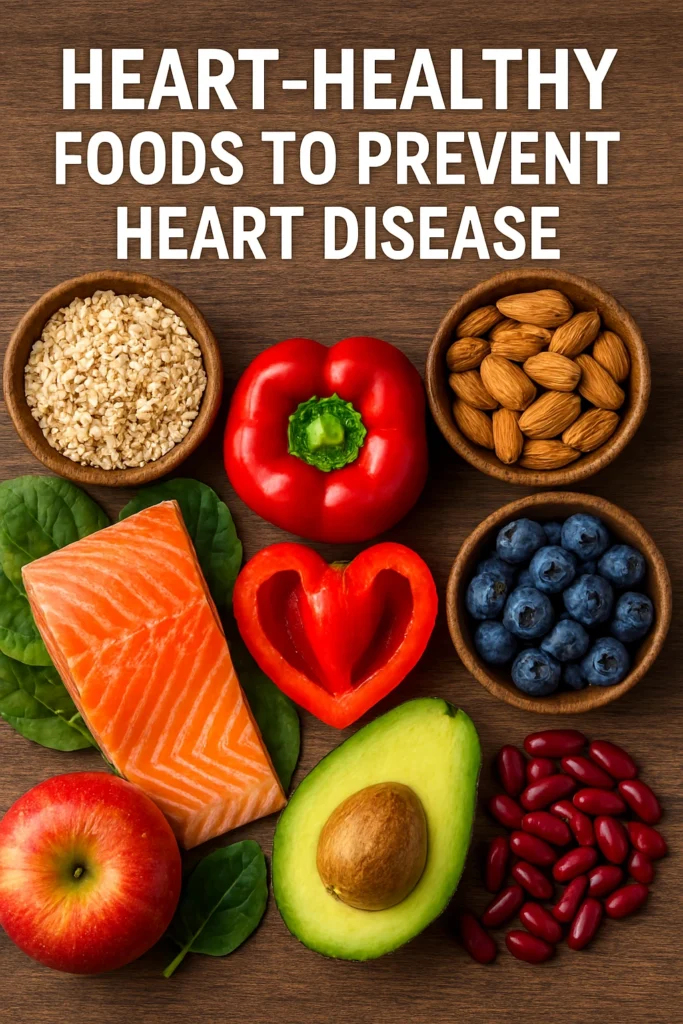
Heart disease is one of the leading causes of death worldwide, but it’s largely preventable.
- Eat heart-healthy foods like fish, nuts, oats, and green vegetables
- Exercise daily to strengthen the heart and improve blood circulation
- Avoid smoking and limit alcohol
- Monitor blood pressure and cholesterol levels
- Manage stress with meditation, yoga, or breathing exercises
2. How Can We Prevent Kidney Disease?
Kidneys filter waste from the body, and protecting them is vital for overall health.
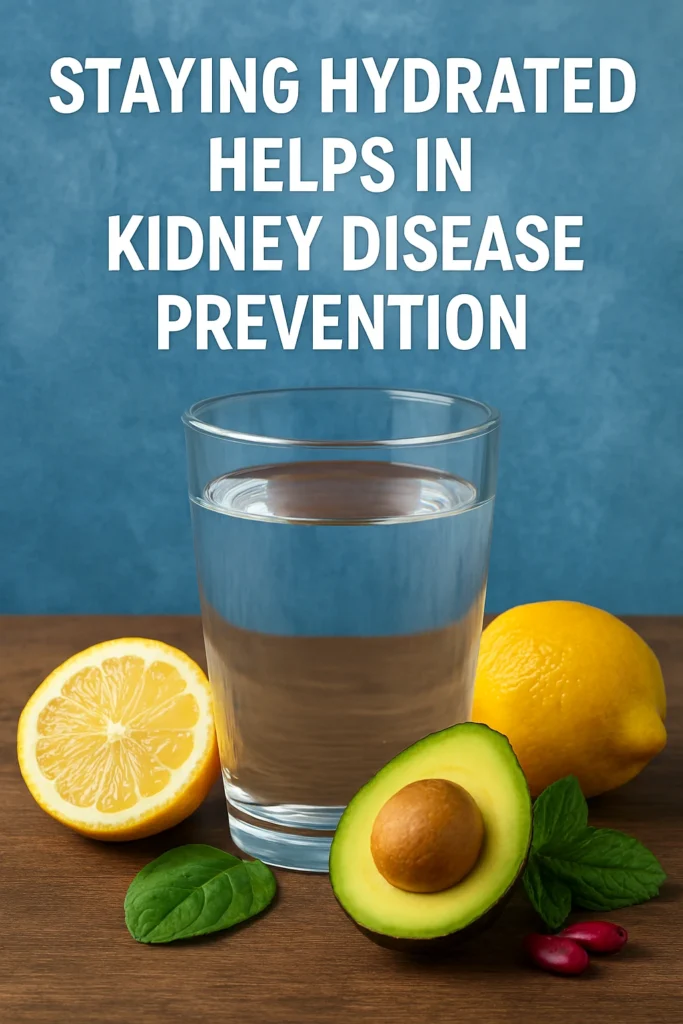
- Stay hydrated by drinking enough water
- Limit salt and processed foods
- Control blood sugar and blood pressure
- Avoid overuse of painkillers and certain medications
- Maintain a healthy weight
3. How to Prevent Alzheimer’s Disease and Dementia?
While genetics play a role, lifestyle choices can reduce the risk of Alzheimer’s and dementia.
- Keep your brain active with reading, puzzles, or learning new skills
- Exercise regularly to improve blood flow to the brain
- Eat a diet rich in omega-3 fatty acids, berries, and leafy greens
- Get enough quality sleep
- Stay socially connected to reduce isolation and depression
4. What is the Centers for Disease Control and Prevention (CDC)?
The Centers for Disease Control and Prevention (CDC) is a U.S.-based health agency that works globally to:
- Monitor and prevent the spread of diseases
- Provide vaccination guidelines and health research
- Educate the public on health and safety practices
- Respond to public health emergencies like pandemics
The CDC is a trusted source of accurate, science-backed health information.
Final Thoughts
Disease prevention is not about fear—it’s about empowerment. By making small but consistent lifestyle changes, you can protect yourself and your loved ones from many serious health conditions.
Remember:
- Your diet, habits, and environment matter.
- Prevention is easier and cheaper than treatment.
- Knowledge is your best defense.
| Read more: Best food for weight loss |
| The healthy-life-expert.com crew collected the information via a field visit to provide accurate and genuine information. |

