Excercise

Date:

Share post:

  Introduction   

Exercise an integral facet of a flourishing lifestyle, represents a dynamic and metamorphic pursuit that extends far beyond the mere execution of physical activities. It embodies a mindful and deliberate mobilization, a conscious utilization of the body’s capacities to elevate physical fitness and overall well-being. In a contemporary landscape marked by sedentary habits and the allure of technological comforts, the significance of exercise emerges as a potent catalyst for sustaining optimum health, nurturing mental fortitude, and revitalizing the human essence.

The notion of exercise transcends the mechanical repetition of motions; it encompasses diverse activities tailored to individual needs and preferences. Ranging from cardiovascular routines that elevate the pulse to strength-training regimens sculpting and reinforcing muscles, the spectrum of exercises presents a rich tapestry of choices to cater to personal goals and aspirations. It unfolds as a personal odyssey, where the body metamorphoses into a canvas for physical evolution, and the mind bears witness to the unfurling potential within.

Furthermore, exercise’s influence extends beyond the physical domain; its reverberations resonate deeply within the recesses of mental and emotional well-being. Scientifically validated, exercise unleashes endorphins – nature’s mood enhancers – creating an ambiance of stress alleviation, heightened cognitive function, and resilience against the rigors of daily existence. The discipline and focus demanded by exercise seamlessly spill over into the landscapes of our cognition, endowing us with invaluable life skills such as tenacity and determination.

In an era marked by the ease of technology and occupations tethered to desks, the imperative for purposeful physical engagement looms larger than ever. The hazards of a sedentary lifestyle, with its heightened susceptibility to chronic ailments and mental health tribulations, underscore the urgency of integrating regular exercise into our routines. It stands as a proactive investment in our longevity, a pledge to the harmonious interaction of body, mind, and spirit.

As we embark on exploring exercise, we traverse a domain where the human body evolves into a vessel of latent potential, and the mind evolves into a reservoir of resilience. This prelude extends an invitation to uncover the transformative prowess of exercise – a sojourn that traverses beyond the constraints of the mundane, redefines the confines of our limitations, and propels us toward a life infused with vigor and well-being.


  1. What is aerobic exercise?  

Engaging in aerobic exercise, often dubbed cardiovascular or cardio exercise, entails participating in activities that prompt an elevation in both heart rate and breathing, concurrently involving substantial muscle groups. The primary aim of these exercises is to enhance the cardiovascular system’s efficiency, thereby bolstering the body’s capacity to supply oxygen to muscles and organs.

Aerobic exercises conventionally feature rhythmic, uninterrupted movements capable of sustaining an escalated heart rate for prolonged durations. Some commonplace instances of aerobic exercises encompass:

✔. Running and Jogging:

Engaging in continual running or jogging stands out as an exemplary form of aerobic exercise.

✔. Cycling:

Whether outdoors or on a stationary bike, cycling serves as a commendable means of partaking in aerobic exercise.

✔. Swimming:  Whether it involves swimming laps or participating in water aerobics, this activity proves effective for cardiovascular fitness, offering a low-impact option.

✔. Walking:

Brisk walking emerges as a straightforward yet effective mode of aerobic exercise, accessible to individuals of varying fitness levels.

✔. Dancing:

Traditional dance forms, aerobic dance classes, or dance-based workouts present an enjoyable approach to aerobic activity.

✔. Jumping Rope:

This uncomplicated and portable exercise yields an effective aerobic workout.

✔. Elliptical Training:

Utilizing an elliptical machine integrates aspects of walking, running, and cycling, delivering a low-impact aerobic regimen.

✔. Group Fitness Classes:

Varied group exercise classes, such as aerobics, Zumba, and step classes, are meticulously crafted to furnish aerobic benefits.

The advantages of engaging in aerobic exercise are multifaceted, encompassing enhanced cardiovascular health, augmented lung capacity, uplifted mood, weight management, and a diminished risk of chronic ailments such as heart disease and type 2 diabetes. In alignment with guidelines set forth by the American Heart Association, adults are encouraged to partake in a minimum of 150 minutes of moderate-intensity aerobic exercise or 75 minutes of vigorous-intensity aerobic exercise per week. Additionally, engaging in muscle-strengthening activities on two or more days per week complements these aerobic recommendations.


  2. How to exercise at home?  

Exercising at home provides a convenient and flexible way to stay physically active. Here are some suggestions on how to exercise at home:

✔. Bodyweight Exercises:

    • Push-Ups: Strengthen your chest, shoulders, and arms.
    • Squats: Work on your lower body, targeting the thighs and glutes.
    • Lunges: Focus on leg muscles while improving balance.
    • Planks: Engage your core muscles for stability and strength.

✔. Cardiovascular Exercises:

    • Jumping Jacks: Elevate your heart rate with this simple and effective exercise.
    • High Knees: Jog in place, lifting your knees as high as possible.
    • Burpees: Combine squatting, jumping, and push-ups for a full-body workout.

✔. Yoga:

    • Follow online yoga videos or use apps to guide you through various poses and stretches for flexibility and relaxation.

✔. Pilates:

    • Explore Pilates routines that focus on core strength, balance, and flexibility.

✔. Dance Workouts:

    • Join dance workout sessions or follow dance routines to make exercise enjoyable.

✔. Home Cardio Equipment:

    • If possible, consider investing in basic cardio equipment like a jump rope, resistance bands, or a stationary bike.

✔. Online Workout Videos:

    • Many fitness professionals and platforms offer online workout classes that you can follow from home.

✔. Stairs:

    • If you have stairs, use them for cardiovascular exercise by climbing up and down.

✔. Home Workouts Apps:

    • Download fitness apps that provide home workout routines tailored to your fitness level and goals.

✔. Functional Workouts:

    • Incorporate everyday activities into your workout, such as carrying groceries or using household items as weights.

✔. Create a Home Gym Space:

    • Dedicate a specific area in your home for exercise to create a motivating and organized space.

✔. Consistency is Key:

    • Establish a regular workout routine that you can stick to, whether it’s daily, a few times a week, or based on your schedule.

Remember to warm up before each session and cool down afterward. Listen to your body, start at a comfortable intensity, and gradually increase the difficulty of your workouts. Consistency and variety in your exercises will contribute to overall fitness and well-being.


  3. What is the exercise to reduce belly fat?  
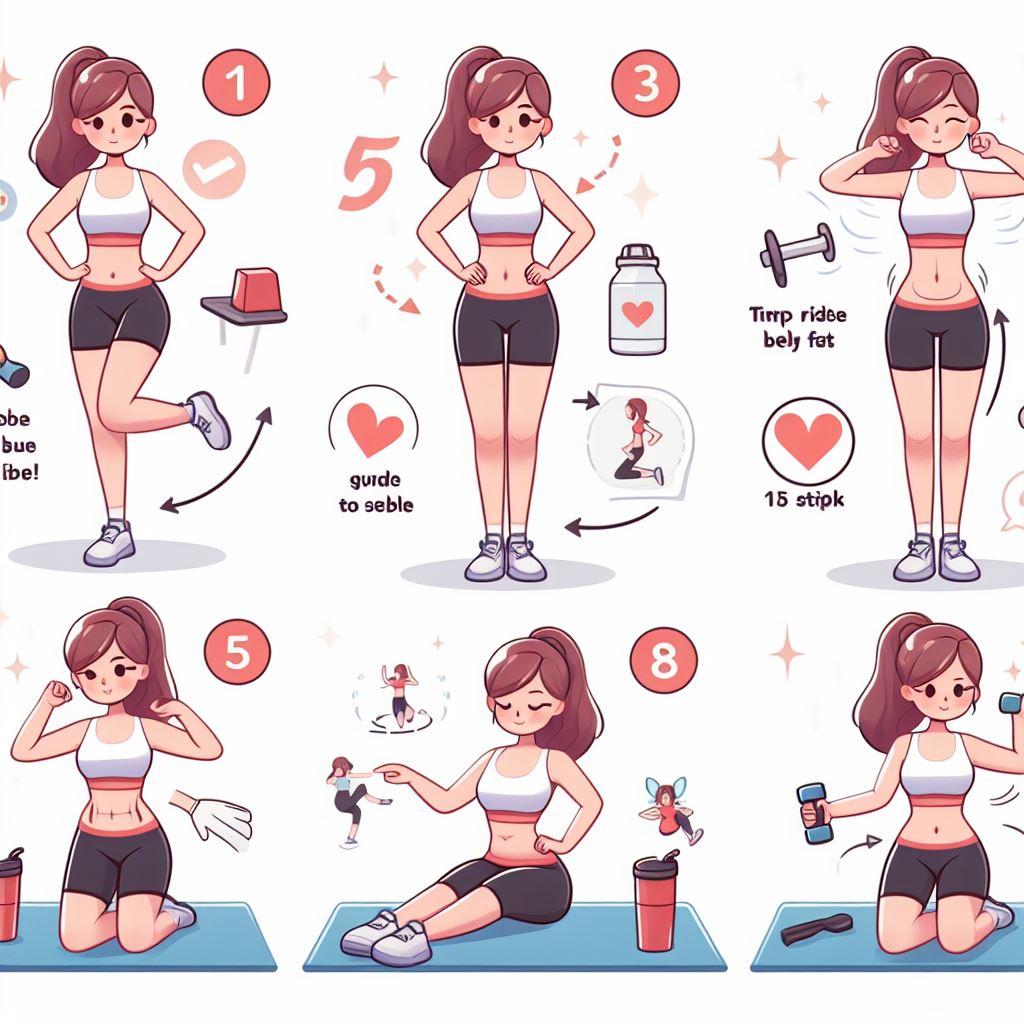
What is the exercise to reduce belly fat? 

In the pursuit of trimming belly fat, a comprehensive strategy involving cardiovascular exercise, strength training, and a health-conscious diet is paramount. Although spot-reducing fat from specific areas remains elusive, integrating the following exercises into your regimen can fortify core muscles and contribute to a holistic reduction in body fat, particularly around the abdominal region.

✔. Cardiovascular Exercise:

Partake in activities that propel your heart rate upward, ushering in calorie expenditure. Examples encompass running, jogging, brisk walking, cycling, swimming, and the rhythmic cadence of jumping rope.

✔. High-Intensity Interval Training (HIIT):

Embrace the concept of HIIT, characterized by brief bursts of intense exercise followed by short rest intervals. This method proves efficacious for caloric burn and fostering fat loss.

✔. Core Exercises:

Fortify your core muscles to sculpt and define the abdominal area.

  • Planks: Sustain a plank position, either on hands or forearms, engaging core muscles.
  • Crunches: Execute controlled abdominal crunches, targeting the rectus abdominis.
  • Leg Raises: While lying on your back, elevate your legs toward the ceiling, activating lower abdominal muscles.
  • Russian Twists: Seated on the floor, twist your torso, reaching the ground on each side.

✔. Bicycle Crunches:

Recline on your back, elevate your legs, and simulate a cycling motion while bringing the opposite elbow toward the knee.

✔. Mountain Climbers:

Commence in a plank position, propelling knees toward the chest in a dynamic running motion.

✔. Medicine Ball Exercises:

Integrate medicine ball twists, slams, or Russian twists to amplify the intensity of your core workout.

✔. Full-Body Strength Training:

Incorporate compound exercises like squats, deadlifts, and overhead presses, engaging multiple muscle groups to elevate metabolism and contribute to overall fat loss.

✔. Yoga and Pilates:

Engage in practices emphasizing core strength, flexibility, and heightened body awareness.

✔. Healthy Diet:

Fuse exercise with a diet mindful of caloric intake. Prioritize whole foods, lean proteins, vegetables, fruits, and whole grains while curbing processed foods, sugary beverages, and excessive refined carbohydrates.

✔. Adequate Sleep:

Prioritize quality sleep, as insufficient rest can detrimentally affect metabolism and appetite regulation.

Bear in mind, that consistency forms the bedrock of success, and noticeable results necessitate time. Embrace a holistic approach, entwining exercise and dietary modifications for enduring and effective belly fat reduction. Before commencing a new exercise regimen, particularly if pre-existing health conditions exist, seek counsel from a healthcare professional or fitness expert.


Read more: Chronic diseases


The healthy-life-expert.com crew collected the information via a field visit to provide accurate and genuine information.


Previous article
Next article

Related articles

Is Coffee Good for You? The Science Behind Your Daily Cup

Is Coffee Good for You? The Science Behind Your Daily Cup Coffee is one of the most beloved beverages...

High LDL Cholesterol Could Be Silently Damaging Your Heart—Here’s How to Lower It Naturally

High LDL Cholesterol Could Be Silently Damaging Your Heart—Here’s How to Lower It Naturally You could have high LDL...

Top 7 Exercises for Bicep Tendonitis That Speed Up Recovery and Reduce Pain

Top 7 Exercises for Bicep Tendonitis That Speed Up Recovery and Reduce Pain Bicep tendonitis can turn simple daily...

Egg Whites or Whole Eggs? The Surprising Truth About Weight Loss and Heart Health

Egg Whites or Whole Eggs? The Surprising Truth About Weight Loss and Heart Health Egg whites and whole eggs...