Introduction
In beverage choices, fruit juices have long been heralded as a healthy option, praised for their natural sugars, vitamins, and minerals. These vibrant concoctions often find their way into our daily routines as a convenient means to meet our fruit quota or as a refreshing alternative to sugary sodas. However, beneath the surface lies a pressing question: Could fruit juices be concealing a darker side to our health? This exploration delves into the potential pitfalls of excessive fruit juice consumption, offering insights into making more informed and health-conscious beverage choices.
a. Sugar Quandary:

Chief among the concerns swirling around fruit juices is their sugar content. While these sugars claim a natural origin, they wield the potential to contribute to calorie overload, paving the way for weight gain, insulin resistance, and the ominous specter of type 2 diabetes. Beyond the waistline, the dental realm is not spared, with cavities and enamel erosion lurking as potential side effects of indulging in copious amounts of these seemingly innocent elixirs.
b. Fiber’s Disappearing Act:

The magic of whole fruits lies in their rich fiber content, offering a gamut of health benefits, from aiding digestion to weight management and blood sugar regulation. Yet, the alchemy of juicing often strips away this valuable fiber, leaving behind a liquid devoid of the satiety and digestive perks found in whole fruits. Without fiber to slow down the absorption of sugars, fruit juices can usher in abrupt spikes in blood sugar levels, leaving behind a wave of hunger and fatigue.
c. The Caloric Culprit:
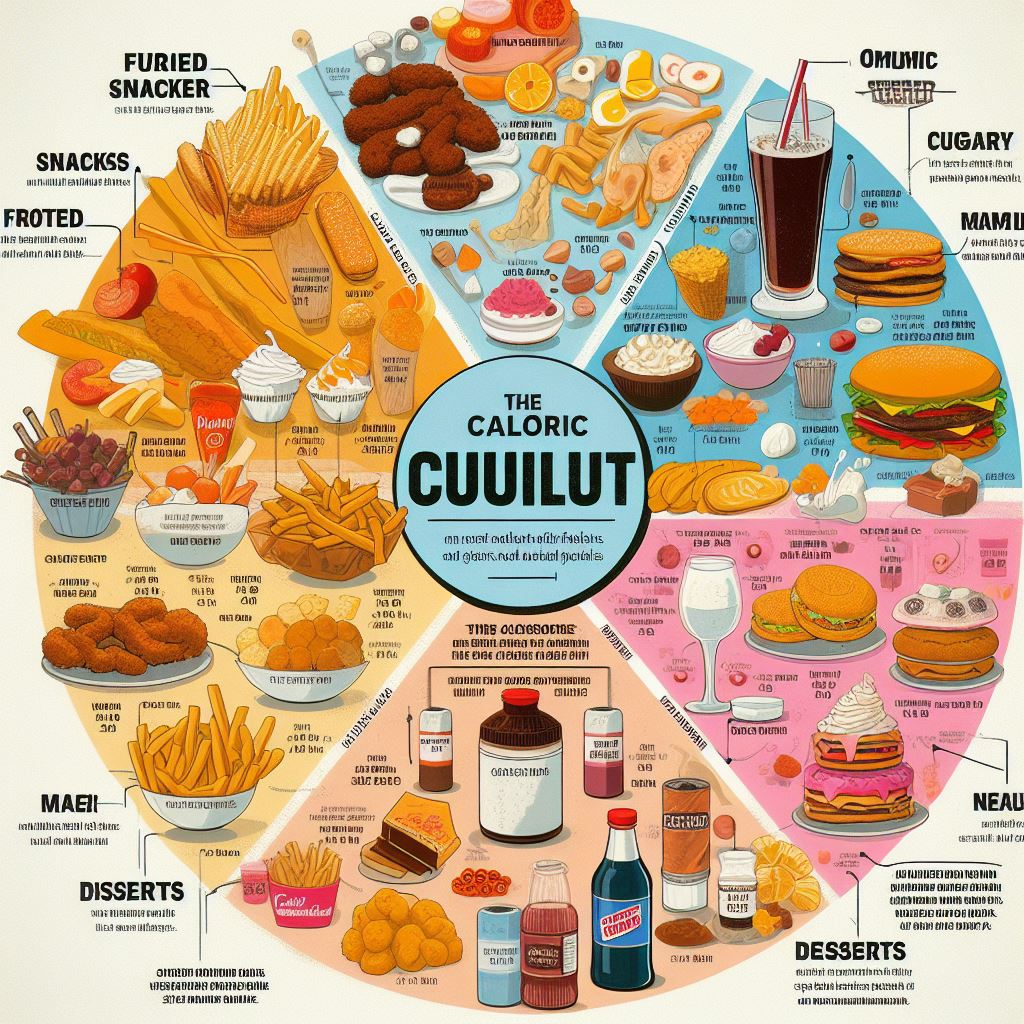
Indulging in fruit juices, especially in excess, can sound the alarm on calorie intake. Unlike their whole counterparts, which demand more time and effort for consumption, fruit juices can be guzzled down swiftly, leading to a stealthy calorie ambush without the accompanying feeling of fullness. This clandestine calorie surge can lay the foundation for weight gain and obesity, two ominous specters associated with a myriad of health woes, including heart disease and metabolic disorders.
d. Nutrient Roulette:

The nutrient bounty in whole fruits may not be seamlessly translated into their liquid counterparts. While fruit juices boast essential vitamins and minerals, the intricate interplay of nutrients present in whole fruits might be lost in translation. Over-reliance on fruit juices could potentially tip the nutrient balance, leaving us bereft of the holistic health benefits derived from the diverse range of compounds present in whole fruits.
e. Unmasking the

A critical nuance in the fruit juice narrative lies in distinguishing between the innate sugars found in whole fruits and the shadowy realm of added sugars in commercial fruit juices. Some commercially available fruit juices might harbor added sugars, preservatives, and artificial flavors, diluting their health halo. Scrutinizing labels and gravitating towards pure, untainted fruit juices – those devoid of added sugars and preservatives – serve as a shield against potential health risks.
1. Is fruit juice healthy?
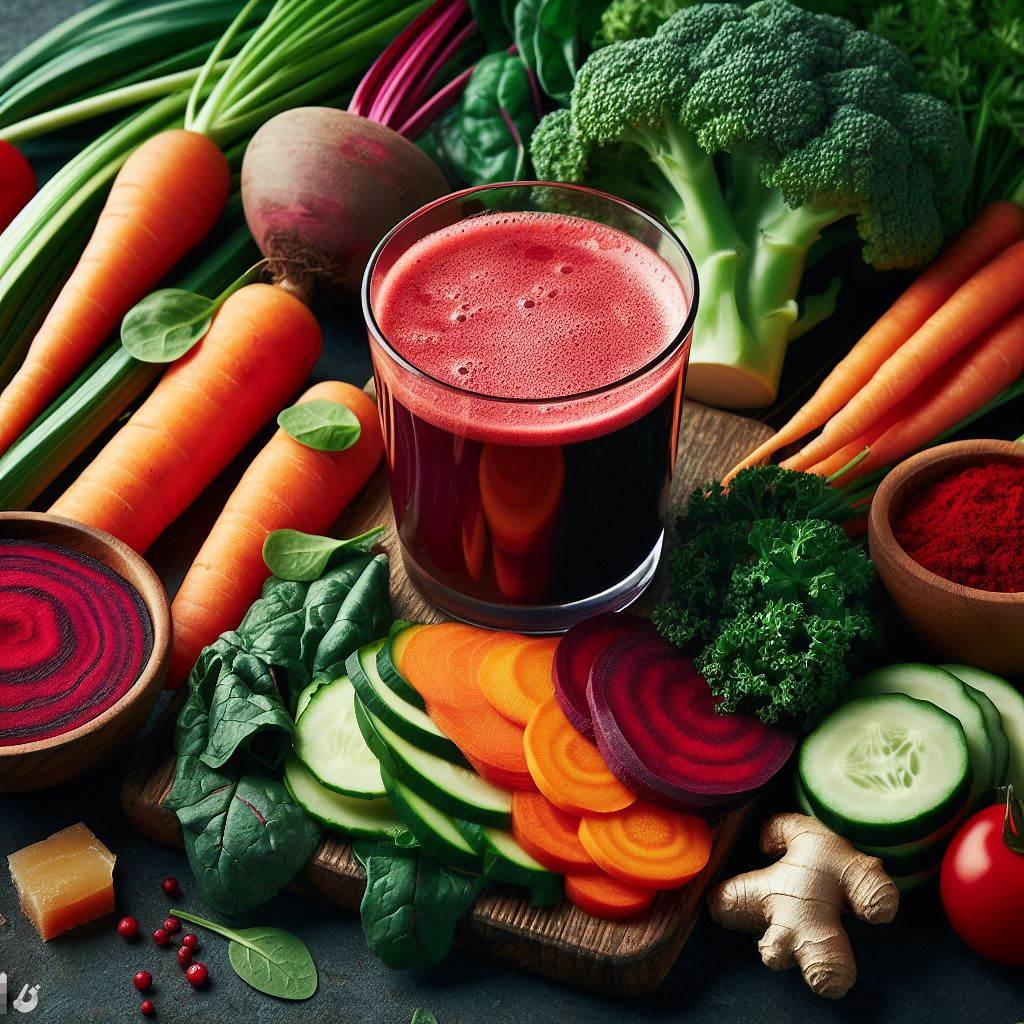
2. What are the alternatives to packet fruit juice?









3. What are the harmful effects of packet fruit juices?
In our fast-paced lives, the convenience of packaged fruit juices often becomes a go-to choice for many seeking a quick dose of vitamins and minerals. However, beneath the tempting allure of these colorful beverages, there lurk potential health considerations that consumers should be mindful of.
a. The Sweet Dilemma: Added Sugars
One of the pitfalls of commercially available fruit juices is the addition of sugars to enhance flavor. The excessive consumption of added sugars has been associated with a myriad of health concerns, ranging from the well-known issues of obesity and type 2 diabetes to the less commonly acknowledged dental problems.
b. Calories in Concentration: Caloric Density
While fruit juices offer a seemingly refreshing alternative, their caloric density poses a noteworthy concern. Concentrated with calories and lacking the beneficial fiber found in whole fruits, these beverages may contribute to weight gain and other related health issues if indulged excessively.
c. Fiber, Lost in Juicing
The process of juicing often strips away the fiber content present in whole fruits. Fiber, a vital component for digestive health, is notably absent in many packaged fruit juices, potentially leading to discomfort and issues like constipation.
d. Contamination Risks: A Package of Concerns
Packaged fruit juices, despite their seemingly pristine appearance, are not immune to the risk of contamination during processing and packaging. Microbial contamination or the presence of harmful substances are potential hazards that consumers should be aware of.
e. Processing Woes: Nutrient Loss
The journey from orchard to bottle involves various processing steps, such as pasteurization and heat treatments. Unfortunately, these procedures can result in the loss of heat-sensitive nutrients, including certain vitamins and enzymes that contribute to the overall nutritional value of the beverage.
f. The Sour Side: Acidic Nature
Particularly true for citrus juices, the inherent acidity poses a threat to dental health. Frequent consumption may contribute to dental erosion and enamel damage, emphasizing the need for moderation in enjoying these tangy delights.
f. Blood Sugar Rollercoaster: High Glycemic Index
Some fruit juices, especially those lacking in fiber, can have a high glycemic index. This characteristic may lead to rapid spikes in blood sugar levels, a concern for those mindful of their glycemic health.
g. Moderation Matters: Guarding Against Overconsumption
While moderation is a golden rule in many aspects of life, it holds particular significance when it comes to fruit juice consumption. Large quantities can lead to an unintended overconsumption of certain vitamins and minerals, potentially resulting in adverse health effects.
In conclusion, not all fruit juices are created equal. Opting for 100% pure, unsweetened fruit juices can still offer essential nutrients when consumed in moderation. However, it’s wise to prioritize the consumption of whole fruits to reap the full spectrum of nutritional benefits, including the often-neglected fiber. For those choosing packaged fruit juices, scrutinizing labels for added sugars and selecting minimally processed products can be a savvy approach. As always, consulting with healthcare professionals or nutritionists for personalized advice ensures a well-informed and balanced approach to one’s dietary choices.
4. Does consuming a packet of fruit juice increase weight?
In the whirlwind of dietary choices, packaged fruit juices stand out as convenient elixirs, promising a burst of vitamins and flavors. Yet, lurking beneath the surface of these seemingly innocent beverages are factors that could tip the scales toward potential weight gain. Let’s delve into the subtleties that make this seemingly harmless choice a nuanced player in the weight management arena.
a. Caloric Density: A Culprit in Concentration
Packaged fruit juices, alluring in their vibrant packaging, conceal a potent concentration of calories. Unlike their whole fruit counterparts, they lack the redeeming fiber content. This caloric density, when left unchecked without adjustments to the broader diet or an upswing in physical activity, may pave the way for the gradual accumulation of excess weight.
b. Sweet Temptations: The Sugar Conundrum
Sweetness is often the siren song of commercially available fruit juices. What escapes casual notice is the stealthy addition of sugars to enhance their palatability. The pitfalls of excessive sugar intake are well-documented, intertwining with weight gain and laying the groundwork for the onset of conditions like obesity and type 2 diabetes.
c. Satisfaction Lost in the Pour: Satiety Shortcomings
Unlike the wholesome experience of sinking teeth into whole fruits, the sipped counterpart falls short in delivering a sense of fullness and satiety. The absence of fiber, a loyal ally in curbing appetite, opens the door to a heightened risk of overindulgence in calories from alternative sources.
d. Liquid Calories: The Deceptive Quotient
Beverages, including the seemingly innocent fruit juices, harbor a subtle deception in the form of liquid calories. Unlike solid foods, they may not trigger the compensatory mechanism of reducing subsequent food intake. This lack of compensation paves the way for an insidious increase in overall calorie intake, a silent contributor to the weight management conundrum.
Moderation emerges as the guiding principle in this dietary maze. Occasional indulgence in packaged fruit juice within the framework of a well-rounded diet might not set off weight gain alarms. However, a cautionary note rings out for those who tread the path of regular and copious consumption, especially in the realm of juices generously laced with added sugars. This practice may sow the seeds of an imbalance in calorie equilibrium, potentially sprouting into weight-related challenges.
In essence, the tale of packaged fruit juices and their role in weight management is one of delicate balance. The discerning consumer would do well to view them as occasional treats rather than dietary mainstays. As always, the orchestration of a balanced diet, coupled with periodic physical activity, forms the cornerstone of a holistic approach to weight management. For those seeking personalized insights into their dietary landscape, the wise counsel of healthcare professionals or nutrition experts stands ready to guide them through the labyrinth of nutritional choices.
| Read more: Dark Reality of Cold Drinks: Health Risks and Alternatives |
| The healthy-life-expert.com crew collected the information via a field visit to provide accurate and genuine information. |

