Overview
Hair care refers to the practices and techniques involved in maintaining the cleanliness, health, and appearance of hair, particularly the hair on the scalp. It can also include grooming of facial, pubic, and other body hair. Hair care routines vary greatly depending on cultural traditions and the natural texture and condition of an individual’s hair. Common practices include coloring, cutting, shaving, and removing hair through methods like waxing, sugaring, or threading. Professional hair care services are typically available in salons, barbershops, and spas, while a wide range of products can be used at home. Additionally, more permanent hair removal options such as laser treatment and electrolysis are offered by certified professionals, often in medical or specialized spa settings.
Hair Cleaning and Conditioning
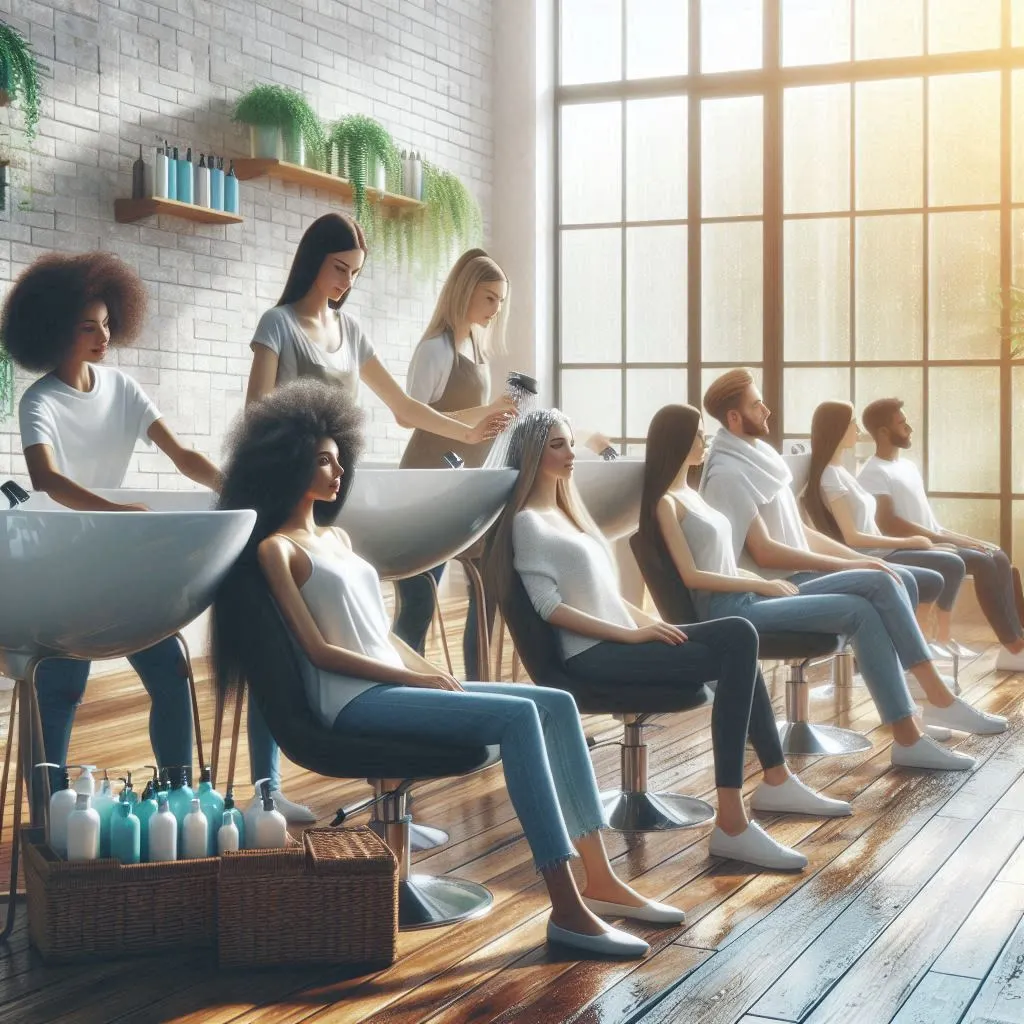
Biological Functions and Hygiene
Though caring for the scalp and the hair might seem like two different tasks, they are closely connected since hair originates beneath the skin’s surface. The living parts of the hair—such as the follicles, roots, root sheath, and sebaceous glands—reside under the skin. The part of the hair we see, known as the hair shaft (which includes the cuticle covering the cortex and medulla), is non-living. Because of this, any damage to the shaft cannot be biologically repaired, although proper maintenance can help keep the cuticle healthy and intact.
Keeping the scalp in good condition is essential not only for hair growth but also for overall skin health. Individuals dealing with hair fall or coarse hair may notice worsened conditions if the scalp is cleaned too aggressively or too frequently. Not all scalp problems are caused by infections—some develop without clear reasons, and treatment often focuses on managing symptoms rather than curing the condition. Dandruff is a good example of this. Additionally, certain bacteria can directly affect the hair, with head lice being one of the most widespread issues across the globe. Interestingly, research has shown that head lice can thrive even in clean hair, debunking the myth that lice are a result of poor hygiene. This highlights that “hair washing” may be a misleading term—what’s truly important for hair health is keeping the scalp clean, much like the rest of the body’s skin.
Sebaceous glands in the scalp produce an oily substance called sebum, made mostly of fatty acids. Sebum helps maintain both skin and hair health by providing a barrier that can protect against harmful microorganisms. It also helps maintain the skin’s natural pH, typically between 5.0 and 6.8, and adds moisture and shine to the hair as it moves along the hair shaft. While sebum is essential for keeping hair from becoming dry or overly porous, an excessive amount can lead to clogged follicles, often due to the buildup of dandruff or dead skin cells. This clogging may interfere with hair growth. Sebum is also spread down the hair strand through physical actions like brushing and combing. When overproduced, sebum can make the hair near the scalp appear oily, sticky, or darker than usual.
Hair Cleaning
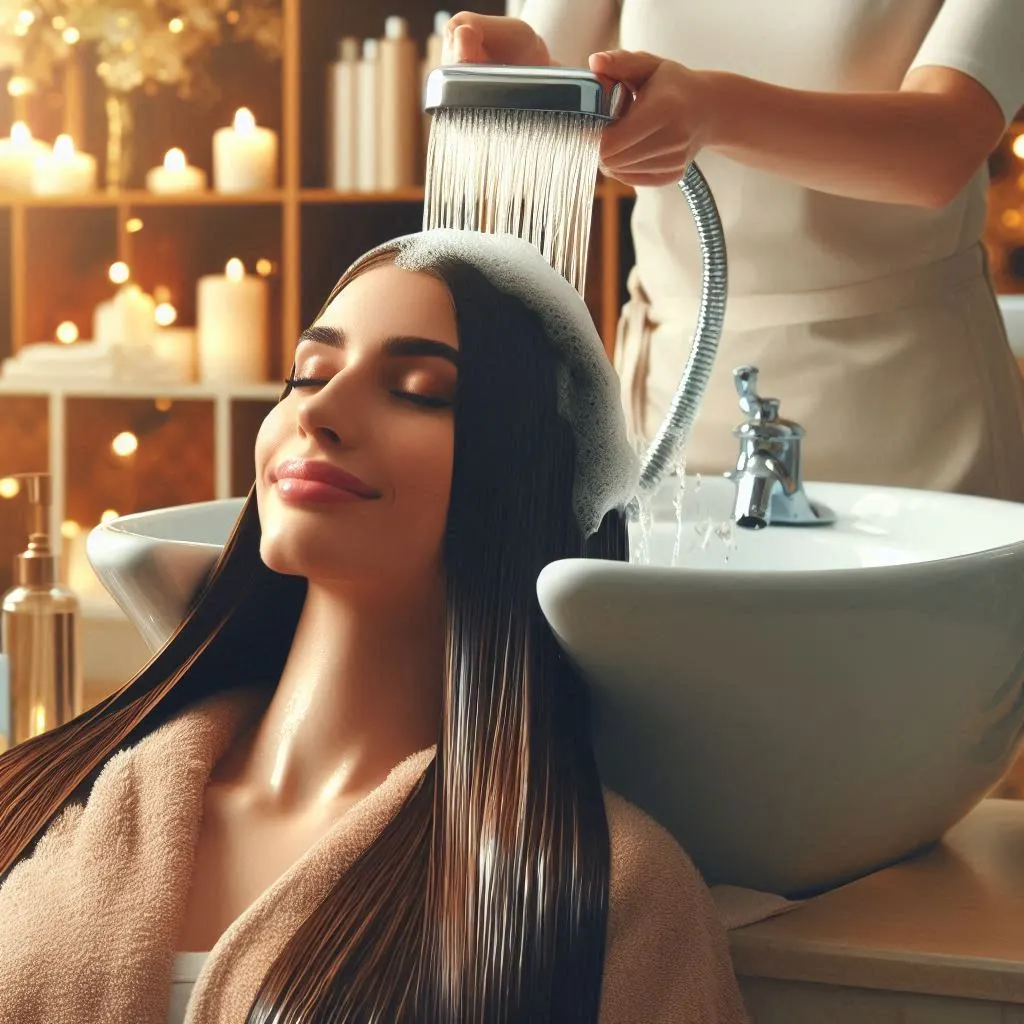
Washing the hair helps eliminate excess oil, sweat, and any buildup from hair products or environmental impurities. It’s commonly done during a shower or bath using shampoo, a cleansing agent specifically formulated for the hair and scalp. Shampoos work by combining with water to allow effective cleaning. For instance, shampoos designed for oily or dry hair alter the surface tension of water so it can thoroughly soak into the hair—this is referred to as the wetting action.
This wetting occurs because the shampoo molecule has a dual nature: its hydrophilic (water-attracting) head binds with water, while its hydrophobic (oil-attracting) tail attaches to dirt, oil, and grease on the hair shaft. As you massage the shampoo into the hair, this combination forms an emulsion—a mixture where the dirt and oil are suspended in water—making it easier to rinse everything away. This process is called the emulsifying action.
Shampoos that are free of sulfates are considered gentler, especially for hair that has been color-treated. Sulfates, while responsible for the lathering effect in most shampoos, can strip the hair of its natural oils and fade hair dye more quickly. Typically, shampoos have a pH level between 4 and 6. Acidic shampoos are widely used because they help maintain the hair’s health by not causing the hair shaft to swell or removing too much natural oil.
Hairstyling Tools
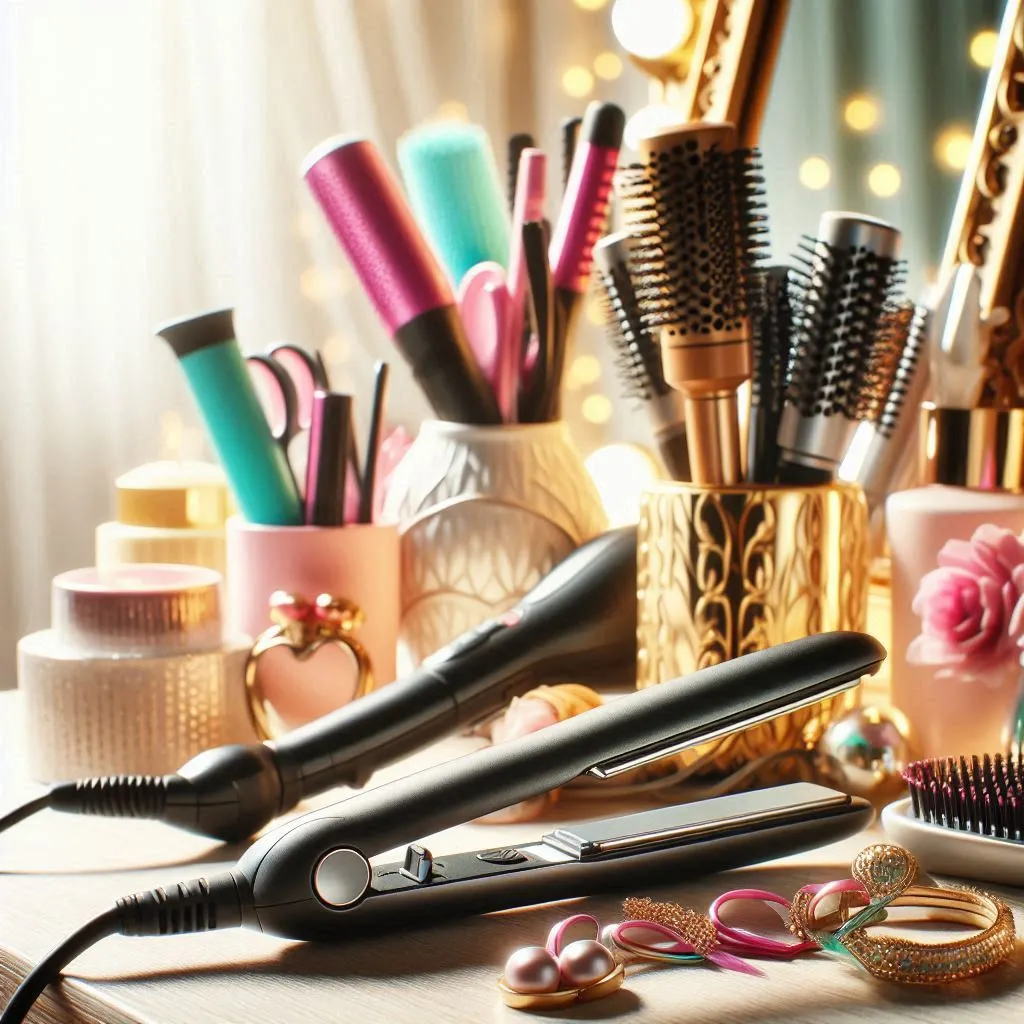
Hairstyling Tools and Accessories
Various tools are used to shape, style, and maintain different hairstyles. Some of the most common hairstyling equipment includes:
i. Hairdryer
ii. Hair clips
iii. Combs
iv. Hair straighteners or curling irons
v. Hair rollers
vi. Clippers
vii. Brushes
viii. Hairpins
ix. Headbands
x. Decorative accessories like kanzashi
Hair Styling Products
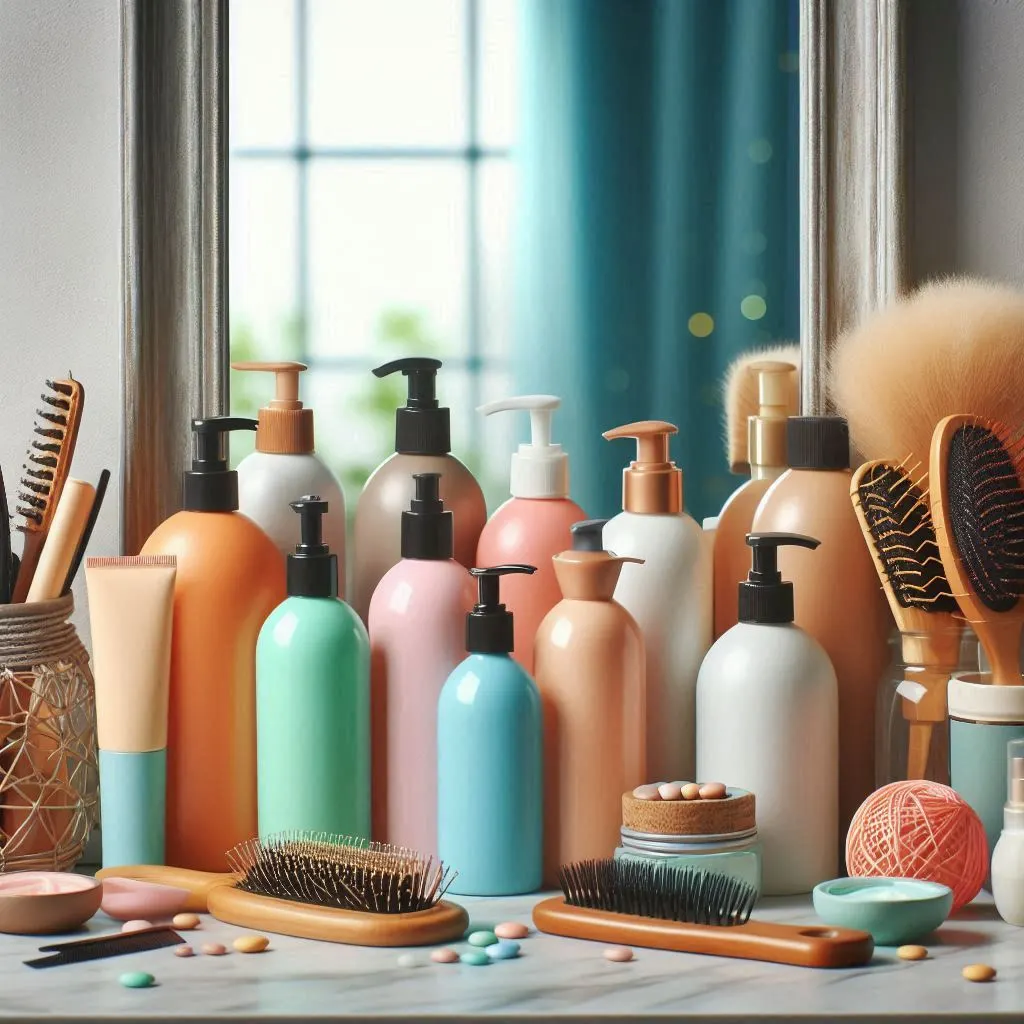
Cosmetic Products for Hair Management
To achieve and maintain a variety of hairstyles, people often use specific hair products. These include:
i. Hair dye or coloring agents
ii. Conditioners
iii. Hair gels
iv. Hair glue
v. Mousse
vi. Serums
vii. Hair sprays
viii. Hair tonics
ix. Wax
x. Pomades
Hair Length Descriptions
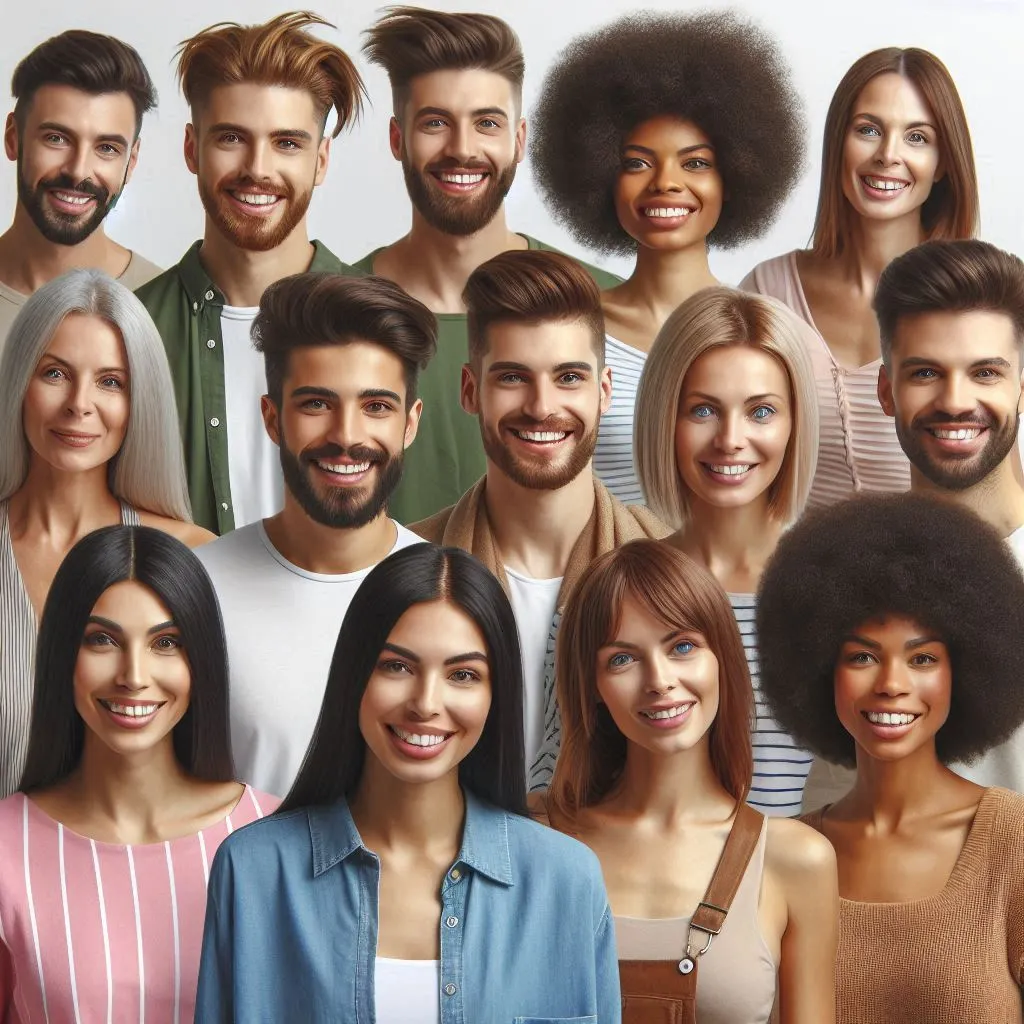
Types of Hair Lengths
Hair length can be categorized in many ways, from no hair at all to extremely long. Here’s a breakdown:
i. Bald – Completely hairless scalp
ii. Shaved – Hair cut down to the scalp using a razor or clippers
iii. Buzz Cut – Extremely short hair, usually trimmed uniformly close to the head
iv. Cropped – Slightly longer than a buzz cut
v. Short Back and Sides – Hair that is short, especially around the sides, but doesn’t yet cover the ears
vi. Ear-Length – Hair that reaches the ears
vii. Chin-Length – Hair that falls to the chin
viii. Neck or Shoulder-Length (Flip-Length) – Hair that touches the neck or sits at shoulder level
ix. Shoulder-Length – Hair that rests on the shoulders
x. Armpit-Length – Hair that extends down to the armpits
Chemical Treatments for Hair
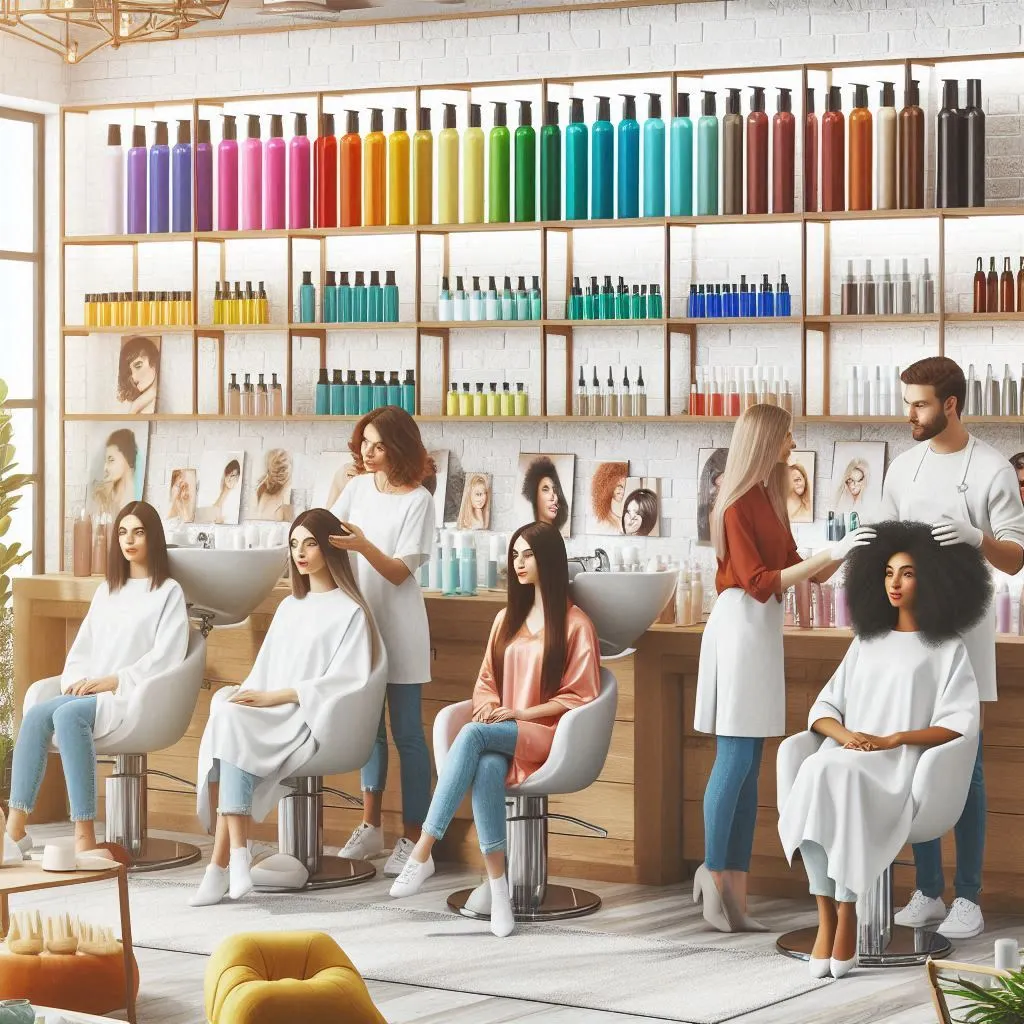
Hair can undergo various chemical processes like perming and dyeing to modify its appearance. These alterations affect only the hair above the scalp and are temporary—new hair grows with its original texture and color unless the follicles are damaged.
Hair Dyeing
Coloring involves either adding or removing pigment from the hair strand. When pigment is added, it’s called coloring; when removed, it’s referred to as bleaching. Temporary dyes coat the hair’s outer layer and wash out over time. Permanent color changes require opening the hair’s cuticle to alter the internal structure, which can weaken the hair, leaving it prone to breakage and dullness. Herbal alternatives like henna or indigo, and ammonia-free dyes, are gentler options.
Perming and Relaxing
Chemical perms or relaxers modify the internal bonds in the hair to make it curlier or straighter. These treatments make the hair more fragile and should be followed by a gentle care routine to avoid breakage.
Considerations for Specific Hair Types
Long Hair
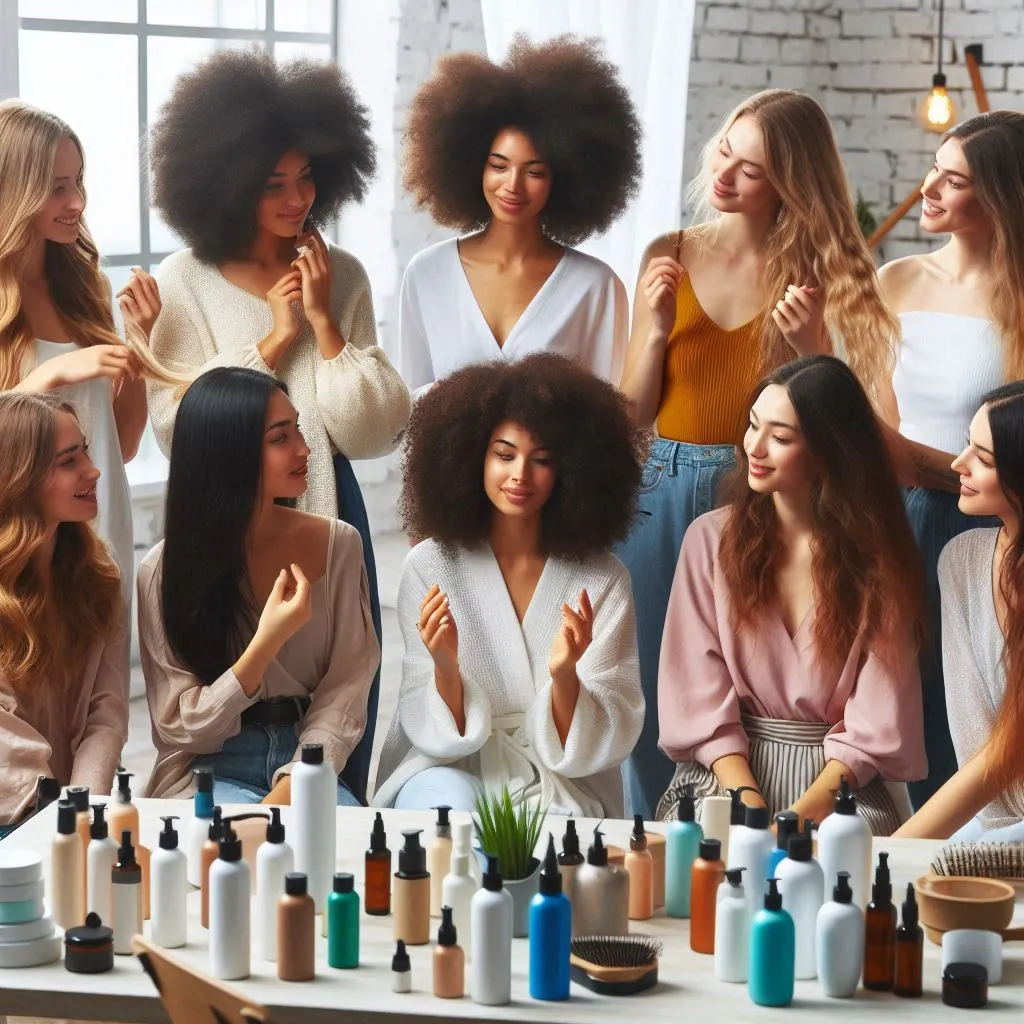
In workplaces such as construction or the food industry, long hair often needs to be tied back for safety and hygiene. Sports activities may also require hair to be secured to prevent injury or vision obstruction.
Sensitive Scalp
Infants and elderly individuals typically produce less sebum due to hormonal levels, so their scalp doesn’t require frequent washing. Adults, especially teenagers, may need to wash their hair more regularly to manage oil buildup.
Hair Damage and Its Management
Split Ends
Split ends (trichoptilosis) occur when the protective outer layer of the hair wears down. This condition is more common in long hair or hair exposed to heat styling and the elements. Without regular trims and hydration, split ends can worsen.
Hair Breakage
Prolonged heat styling, chemical treatments, and harsh products can weaken hair strands. Individuals experiencing unusual hair behavior or scalp issues like redness, bumps, or excessive shedding should consult a specialist.
Scalp Issues
Conditions like dandruff, psoriasis, or fungal infections can cause visible symptoms and discomfort. A persistent odor, scalp itching, or unusual flakes may signal a need for medical attention. Sometimes what appears to be dandruff is simply product buildup.
Hormonal and Health Factors
Hormonal Changes
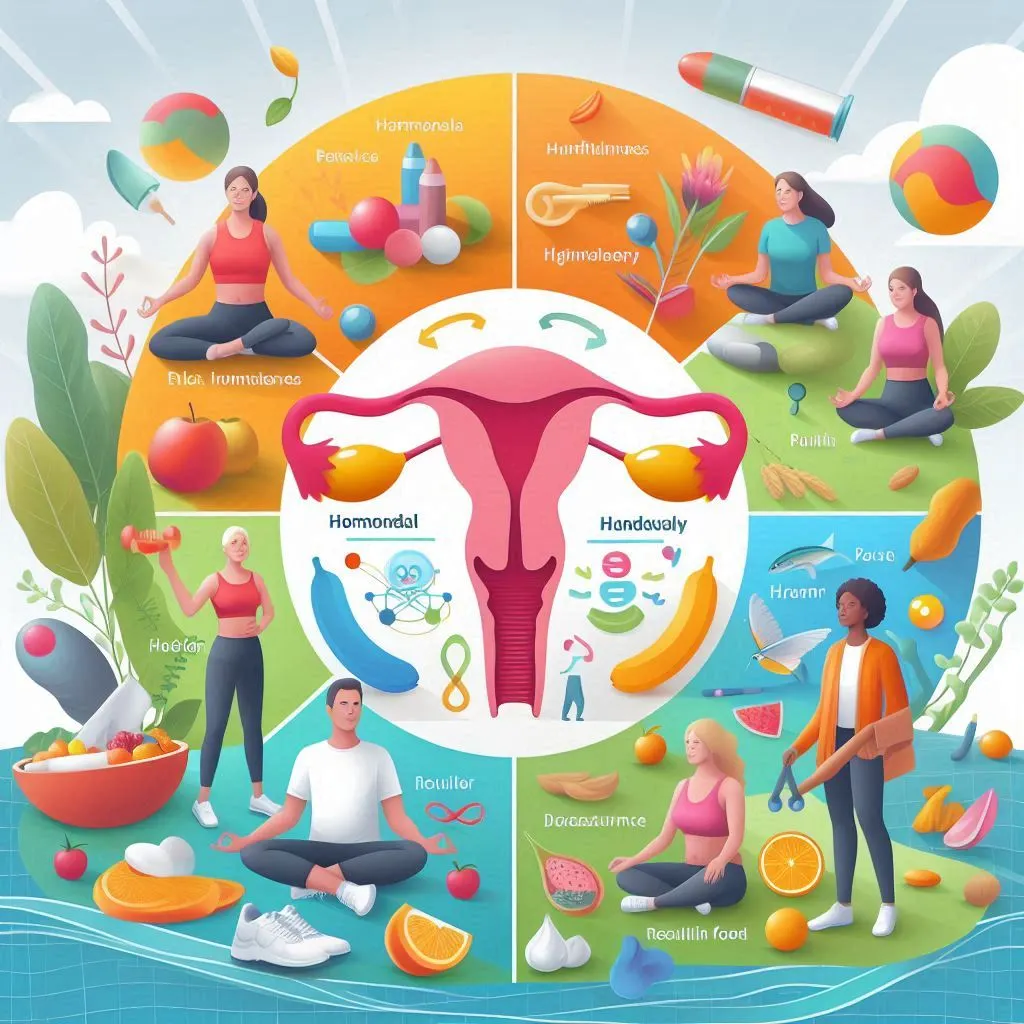
Pregnancy, breastfeeding, and hormonal imbalances (e.g., thyroid issues) can cause noticeable hair changes such as increased shedding or changes in texture. After giving birth or stopping breastfeeding, temporary hair loss may occur due to hormone shifts.
General Hair Loss
Some individuals experience hair thinning due to genetics, illnesses, or treatments. Hair loss can also result from chronic health conditions or environmental factors.
Nutrition and Hair Health

A well-balanced diet is essential for healthy hair. Nutrients like protein, omega-3 fatty acids, iron, and B-vitamins (especially biotin, B5, B6, and B12) play a key role in hair strength and shine. Foods such as fish, leafy greens, eggs, legumes, and dairy products support scalp health and reduce the likelihood of hair thinning or breakage. Poor nutrition can slow growth and cause hair to become brittle or fall out.
| Read more: Traditional Medicine |
| The healthy-life-expert.com crew collected the information via a field visit to provide accurate and genuine information. |

