Introduction
Aging is a natural part of life, but how we age is often within our control. With the right habits, we can enjoy vitality, independence, and joy well into our later years. Healthy aging isn’t about adding years to life—it’s about adding life to years.
This guide covers essential tips for physical, mental, and emotional well-being, plus answers to common health questions like ideal heart rate, blood pressure, and age-specific wellness benchmarks.
Core Pillars of Healthy Aging
1. Nutrition for Longevity
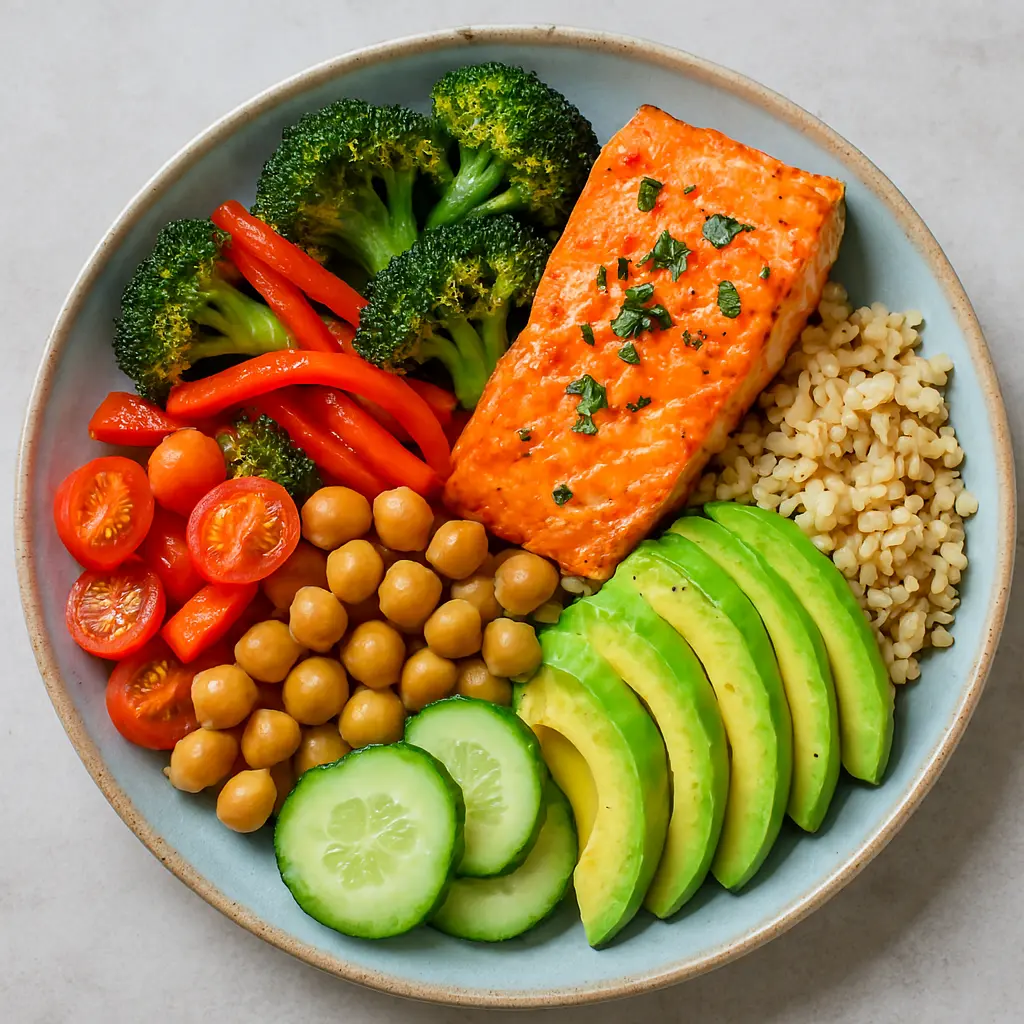
- Eat a balanced diet rich in fruits, vegetables, whole grains, and lean proteins.
- Prioritize foods rich in antioxidants (berries, nuts, leafy greens) to fight aging-related cell damage.
- Limit processed foods, excess sugar, and unhealthy fats.
- Stay hydrated—water supports joint health, skin, and energy levels.
2. Stay Physically Active
Exercise is medicine for aging. It strengthens muscles, protects bones, and improves heart health.
- Aerobic activity: Brisk walking, swimming, or cycling.
- Strength training: Helps prevent muscle loss and osteoporosis.
- Flexibility and balance exercises: Yoga and tai chi reduce fall risk.
3. Mental and Emotional Health
Cognitive decline is not inevitable. Keep your brain and emotions strong:
- Engage in puzzles, reading, or learning new skills.
- Stay socially connected—loneliness can accelerate aging.
- Practice mindfulness or meditation to manage stress.
4. Regular Health Screenings
Preventive care helps detect issues early:
- Cholesterol, blood pressure, and blood sugar tests.
- Cancer screenings (breast, colon, prostate, cervical).
- Bone density scans after age 50.
5. Quality Sleep and Rest
Sleep is the body’s natural repair system.
- Aim for 7–9 hours of quality sleep.
- Keep a regular sleep routine.
- Avoid caffeine and screen time before bed.
FAQs About Healthy Aging
1. What Is a Healthy Resting Heart Rate by Age?
A normal resting heart rate (RHR) varies with age and fitness:
- Children (6–15 years): 70–100 bpm
- Adults (18+ years): 60–100 bpm
- Well-trained athletes: 40–60 bpm
👉 A lower resting heart rate often indicates better cardiovascular health.
2. What Is a Healthy Blood Pressure by Age?

According to guidelines, here’s a general reference:
- Children (6–13 years): 110/70 mmHg
- Teens (14–18 years): 120/80 mmHg
- Adults (19–40 years): ~120/80 mmHg
- Middle-aged (40–60 years): 125/80 – 130/85 mmHg
- Older adults (60+ years): Below 140/90 mmHg is considered acceptable, but lower is ideal if safe.
3. How Can I Keep My Brain Sharp as I Age?
- Stay mentally active with reading, puzzles, or learning a language.
- Eat omega-3-rich foods (fish, walnuts).
- Exercise regularly to increase blood flow to the brain.
- Prioritize good sleep and stress management.
4. Can Exercise Help Prevent Aging?
Yes! Regular exercise slows muscle loss, keeps bones strong, and boosts immunity. Even 30 minutes of walking daily can improve life expectancy and quality of life.
5. What Role Do Social Connections Play in Healthy Aging?
Strong relationships reduce risks of depression, cognitive decline, and heart disease. Volunteering, joining clubs, or simply spending time with family improves emotional resilience.
6. How Can Older Adults Strengthen Immunity?
- Eat immune-boosting foods (garlic, citrus, green tea).
- Get recommended vaccines (flu, pneumonia, shingles).
- Manage stress and get adequate sleep.
7. Is Aging the Same for Men and Women?
Not exactly. Women often face menopause-related health changes like bone density loss, while men may be more prone to heart disease. Both benefit from preventive care and healthy lifestyle habits.
Final Thoughts
Healthy aging is about embracing habits that support body, mind, and spirit. While genetics play a role, lifestyle choices like eating well, staying active, and nurturing relationships make the biggest difference.
| Read more: Women’s health |
| The healthy-life-expert.com crew collected the information via a field visit to provide accurate and genuine information. |

