When it comes to heart health, terms like heart attack, heart failure, and cardiac arrest are often used interchangeably. However, these are very different medical conditions with unique causes, symptoms, and treatments. Understanding the difference is not just important for health professionals but also for anyone who wants to stay informed about their well-being. In this article, we’ll break down each condition in simple terms, compare them, and answer common questions.
What is a Heart Attack?
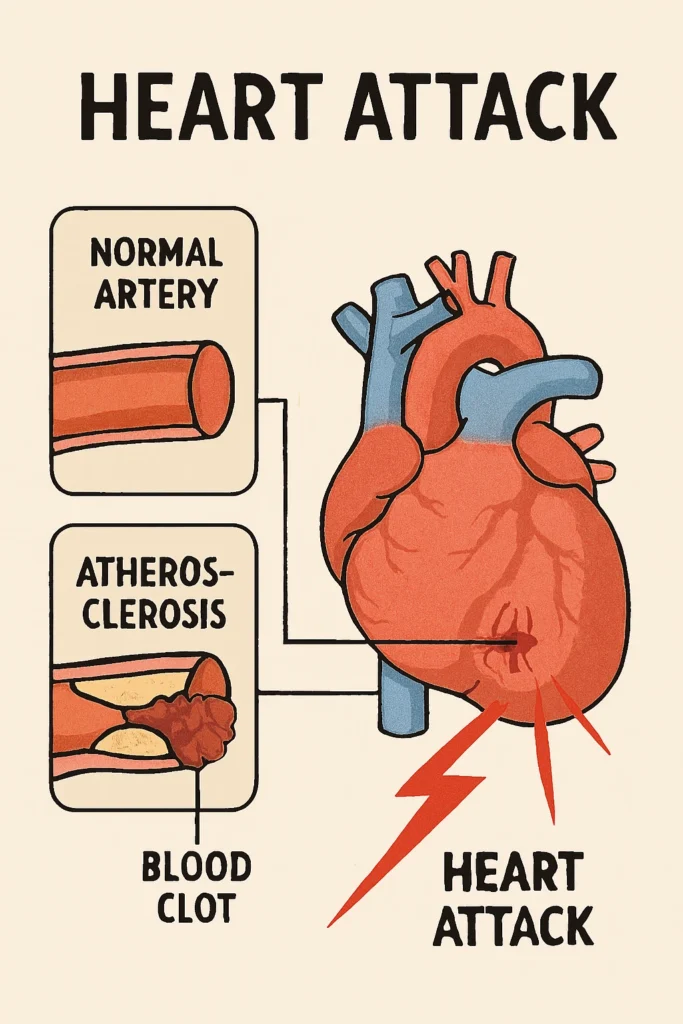
A heart attack, medically known as a myocardial infarction (MI), occurs when blood flow to a part of the heart is blocked. This usually happens because of a buildup of plaque (fat, cholesterol, and other substances) in the coronary arteries. When the blockage prevents oxygen-rich blood from reaching the heart muscle, that section of the heart begins to die.
Symptoms of a Heart Attack
- Chest pain or pressure (often described as a squeezing sensation)
- Pain spreading to the arm, neck, back, or jaw
- Shortness of breath
- Cold sweats
- Nausea or lightheadedness
Risk Factors for Heart Attack
- High cholesterol and high blood pressure
- Smoking
- Diabetes
- Obesity and poor diet
- Family history of heart disease
What is Heart Failure?
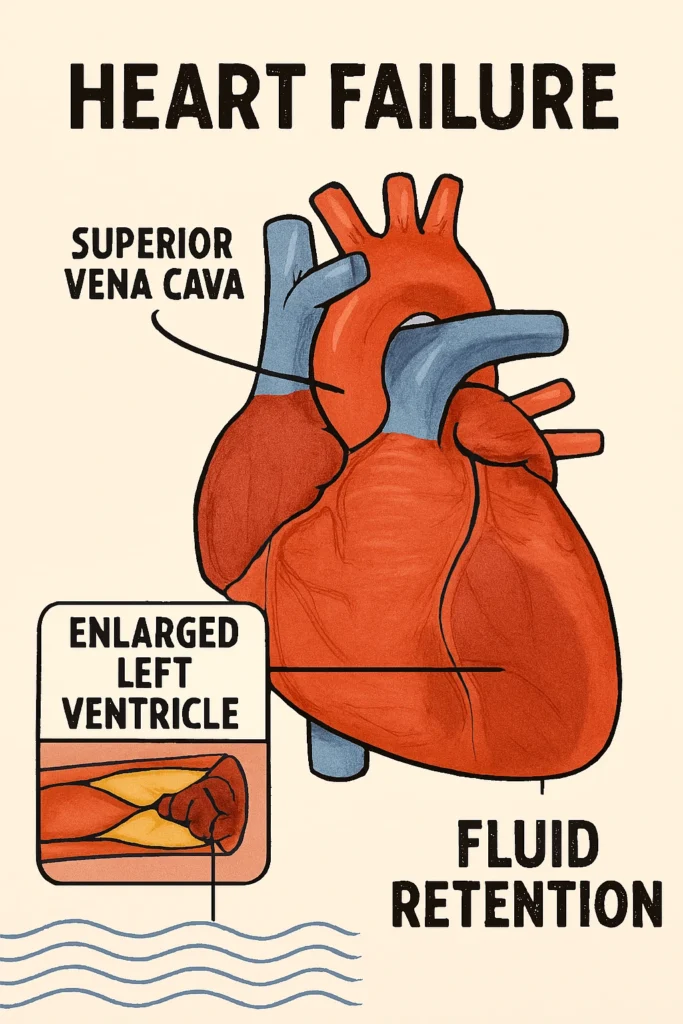
Heart failure doesn’t mean the heart has stopped working—it means the heart is too weak to pump blood effectively. This can happen gradually over time due to conditions such as coronary artery disease, high blood pressure, or previous heart attacks.
Types of Heart Failure
- Left-sided heart failure – when the left ventricle can’t pump blood properly.
- Right-sided heart failure – when the right ventricle struggles, often leading to fluid buildup in the legs and abdomen.
- Congestive heart failure (CHF) – when fluid builds up in the lungs and other parts of the body due to poor pumping.
Symptoms of Heart Failure
- Persistent coughing or wheezing
- Swelling in legs, ankles, and feet (edema)
- Fatigue and weakness
- Rapid weight gain from fluid retention
What is Cardiac Arrest?
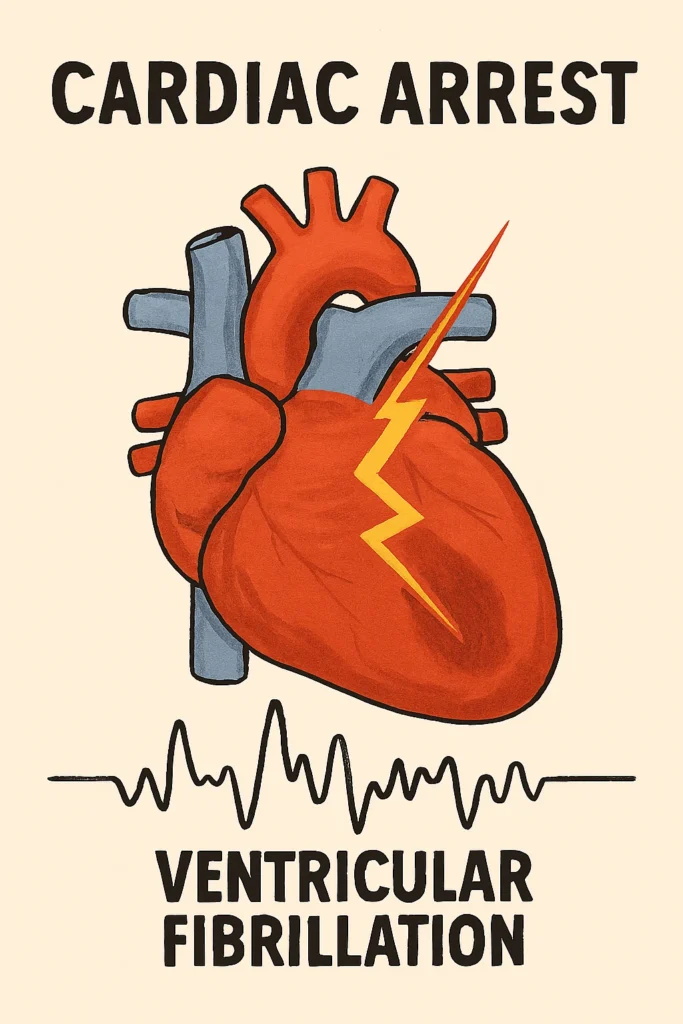
Cardiac arrest is a sudden, life-threatening condition where the heart unexpectedly stops beating. Unlike a heart attack or heart failure, cardiac arrest causes an immediate stop in blood flow to the brain and other vital organs. Without rapid intervention (like CPR or defibrillation), it can lead to death within minutes.
Causes of Cardiac Arrest
- Abnormal heart rhythms (arrhythmias), especially ventricular fibrillation
- Severe heart attack
- Heart disease or enlarged heart
- Severe electrolyte imbalances
- Trauma, drowning, or electric shock
Symptoms of Cardiac Arrest
- Sudden collapse
- No pulse
- No breathing
- Loss of consciousness
Heart Attack vs Heart Failure vs Cardiac Arrest: The Key Differences
| Condition | What Happens? | Onset | Main Symptoms | Emergency Level |
|---|---|---|---|---|
| Heart Attack | Blocked blood flow to the heart muscle | Gradual or sudden | Chest pain, sweating, shortness of breath | Urgent medical attention required |
| Heart Failure | Heart can’t pump blood efficiently | Develops gradually | Fatigue, swelling, fluid buildup | Chronic but can worsen suddenly |
| Cardiac Arrest | Heart suddenly stops beating | Instant | Collapse, no pulse, no breathing | Immediate CPR & defibrillation required |
Frequently Asked Questions
Can a heart attack cause cardiac arrest?
Yes. A severe heart attack can trigger dangerous arrhythmias, which may lead to sudden cardiac arrest.
Is heart failure reversible?
Heart failure is usually a chronic condition, but with proper treatment—such as medications, lifestyle changes, and in some cases surgery—symptoms can be managed, and quality of life can improve.
What should you do if someone goes into cardiac arrest?
Call emergency services immediately, start CPR, and use an automated external defibrillator (AED) if available. Quick action can save a life.
Final Thoughts
While heart attack, heart failure, and cardiac arrest all involve the heart, they are very different conditions with unique causes and outcomes. A heart attack is caused by blocked blood flow, heart failure is the heart’s inability to pump effectively, and cardiac arrest is when the heart suddenly stops beating.
Knowing the difference not only helps in understanding your own health risks but could also empower you to act quickly in an emergency. Maintaining a heart-healthy lifestyle—through balanced eating, regular exercise, stress management, and regular checkups—is your best defense against all three conditions.
| The healthy-life-expert.com crew collected the information via a field visit to provide accurate and genuine information |

