Overview
Intermittent fasting is a time-based approach to eating where you alternate between periods of eating and not eating. It involves scheduled periods of eating followed by intentional gaps where no food is consumed. The main goal is to allow the body to rest from constant digestion, which may help promote fat loss, support metabolic function, and make eating routines easier to manage.
There are different ways to practice intermittent fasting. One of the most common is the 16/8 method, where all daily meals are consumed within an 8-hour timeframe, and the remaining 16 hours are spent fasting. Another well-known approach is the 5:2 method, which involves eating normally for five days each week and significantly reducing calorie intake on the remaining two days.
Unlike traditional diets that often involve food restrictions or detailed calorie tracking, intermittent fasting limits eating to specific times, making it more flexible for many people. Still, its success can depend on your lifestyle, overall health, and personal goals. It’s always wise to approach it carefully and speak with a healthcare professional if you’re unsure whether it’s right for you.
What is Intermittent Fasting?
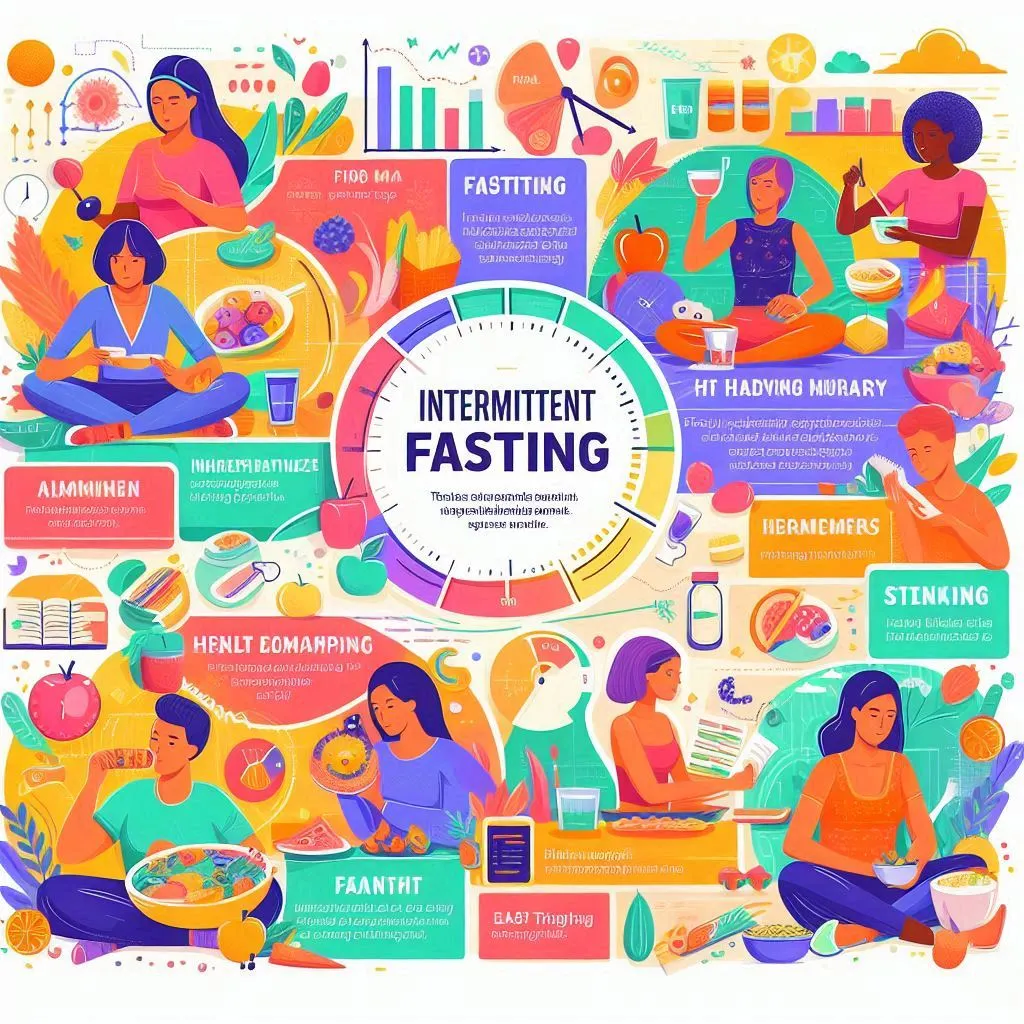
Intermittent fasting is a time-based approach to eating where you alternate between periods of eating and not eating. The focus isn’t on the types of food you consume, but rather on when you consume them. Instead of eating frequently throughout the day, you schedule your meals within a certain time frame and refrain from eating outside of that window.
One of the most popular versions is the 16/8 method, where you fast for 16 hours and then eat all your meals within the remaining 8 hours—commonly from around 12 PM to 8 PM. Another popular style is the 5:2 plan, where you eat as usual for five days of the week and reduce your calorie intake significantly on the other two days (which shouldn’t be consecutive).
How does intermittent fasting work?

Intermittent fasting works by giving your body extended periods of time to rest from food and focus on other processes, like burning stored fat. Here’s how it works step-by-step:
i. Fasting Phase:
During the fasting period, your body doesn’t have food to break down, so it shifts its focus to other metabolic processes. This includes burning stored glycogen (sugar) and fat for energy. As the fasting window continues, your body will start to use up more fat as a primary source of fuel.
ii. Insulin Levels Drop:
Fasting helps lower your insulin levels, which is a key factor in fat storage. This is why intermittent fasting is often used for fat loss and weight management.
iii. Increased Growth Hormone Production:
Fasting increases the release of growth hormone (GH), which is important for fat loss and muscle preservation. Higher GH levels make it easier to burn fat while maintaining muscle mass.
iv. Cellular Repair & Autophagy:
During fasting, the body also enters a state called autophagy, where it starts cleaning out damaged cells and regenerates new, healthier ones. This process is linked to improved longevity and overall health.
v. Eating Phase:
Since insulin levels are lower, your body is better equipped to store nutrients for energy rather than converting them into fat.
What can I eat while intermittent fasting?
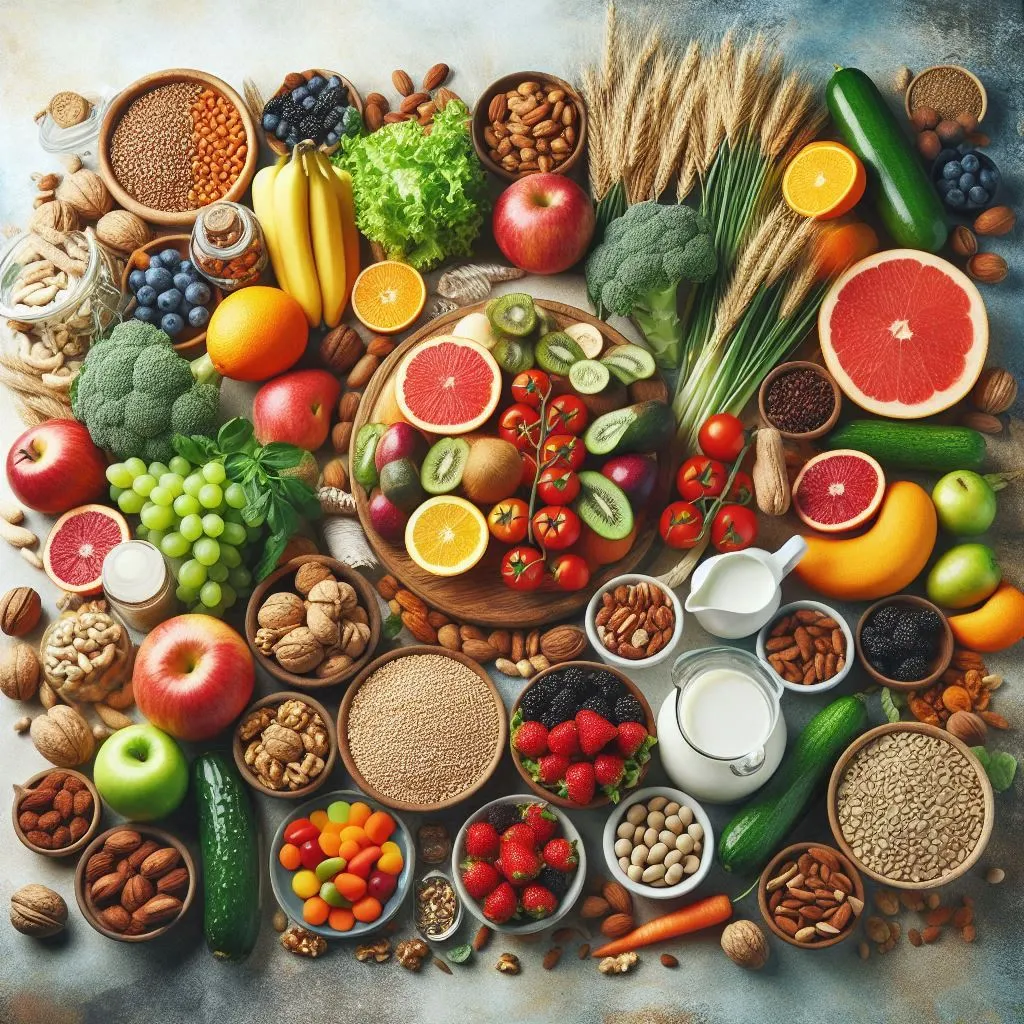
During intermittent fasting, what you eat is important, but the timing of your meals is even more crucial. When you’re in your eating window, focusing on nutrient-dense, whole foods will help you feel fuller for longer and provide your body with the necessary fuel. Here’s a breakdown of what you can eat:
i. Healthy Fats
Incorporating healthy fats can help curb hunger during your fasting periods and provide long-lasting energy. Some options include:
Avocados
Nuts and seeds (almonds, walnuts, chia seeds)
Olive oil and coconut oil (great for cooking or salad dressings)
Nut butter (like almond or peanut butter—choose unsweetened varieties)
ii. Low-Carb Vegetables
Vegetables are packed with fiber, vitamins, and minerals. Since they are low in calories but high in nutrients, they’re ideal for keeping your hunger at bay. Try:
Leafy greens (spinach, kale, arugula)
Broccoli, cauliflower, and Brussels sprouts
Zucchini, cucumbers, and bell peppers
Asparagus and mushrooms
iii. Whole Grains (in moderation)
While you’re fasting, it’s best to avoid refined grains, but you can enjoy whole grains in moderation when eating. Some examples include:
Quinoa
Brown rice
Oats (steel-cut or rolled oats are best)
Whole grain bread or wraps
iv. Hydrating Fluids
During fasting hours, hydration is key. You can drink:
Water (plain or sparkling)
Herbal teas (unsweetened)
Black coffee (without cream or sugar)
Electrolyte drinks (without added sugars, or use zero-calorie options)
v. Fruits (in moderation)
Fruits contain natural sugars and can be consumed during your eating window, but they should be eaten in moderation due to their calorie content. Some great options include:
Berries (blueberries, strawberries, raspberries)
Apples
Citrus fruits (oranges, lemons, grapefruits)
Melons (like watermelon and cantaloupe)
Benefits of Intermittent fasting
Intermittent fasting is more than just a way to lose weight—it can positively impact several aspects of your health.
🧘 i. Supports Weight Loss
By limiting the time you eat, intermittent fasting naturally reduces your calorie intake. It also encourages your body to burn stored fat for energy, especially during fasting periods. This combination can lead to steady, sustainable weight loss over time.
⚡ ii. Boosts Metabolism
Short-term fasting may enhance your metabolic rate by increasing levels of certain hormones, such as norepinephrine. This can help your body burn more calories throughout the day, even while resting.
🧠 iii. Improves Brain Function
Fasting has been shown to support brain health by reducing inflammation, encouraging the growth of new nerve cells, and boosting the production of brain-derived neurotrophic factor (BDNF), a protein linked to mental clarity and cognitive function.
💓 iv. Supports Heart Health
Intermittent fasting can improve risk factors for heart disease, including lowering blood pressure, reducing LDL (bad) cholesterol, and stabilizing blood sugar levels. These changes contribute to better cardiovascular health over time.
🛠️ v. Promotes Cellular Repair
When you’re fasting, your body activates a process called autophagy, where it removes damaged cells and regenerates healthier ones. This cellular “clean-up” is essential for maintaining long-term health and preventing disease.
🧬 vi. May Slow Aging
Some studies suggest that intermittent fasting can positively influence genes related to longevity and disease resistance. While more research is needed, early findings are promising when it comes to aging and lifespan.
😌 vii. Saves Time and Simplifies Eating
With fewer meals to prepare and less time spent eating, intermittent fasting can make your daily routine simpler. It also encourages more mindful eating habits by removing constant snacking from the equation.
| Read more: What is Preventive Medicine? |
| The healthy-life-expert.com crew collected the information via a field visit to provide accurate and genuine information. |

