These Holiday Spices Can Actually Reduce Bloating and Steady Blood Sugar
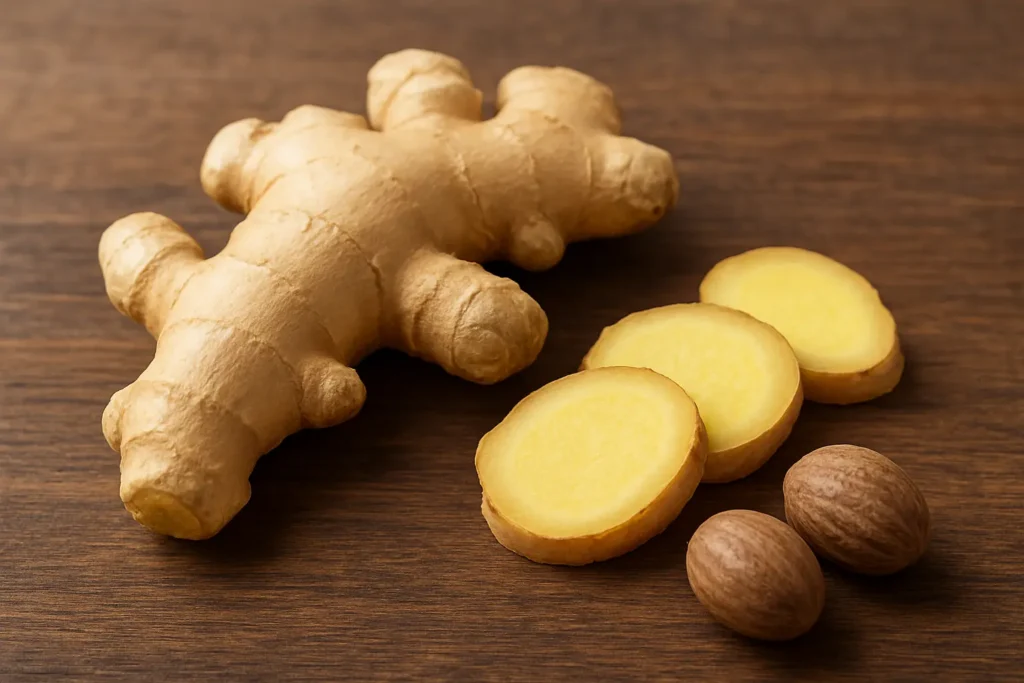
Whether you celebrate with big family feasts, cozy gatherings, or quiet winter nights, food usually plays a starring role in the holiday season. And a few familiar spices — cinnamon, nutmeg, and ginger — show up in countless festive dishes and drinks. Their warm aroma is practically the scent of winter itself.
As a plant scientist, I wanted to know how spices that grow in warm, tropical climates became so tied to the coldest season in the Northern Hemisphere. I assumed something about their harvest timing made them a natural fit for winter meals, much like cranberries in the fall. But it turns out that spice growing works on a much longer timeline — so seasonality has little to do with it.
Growing holiday spices
Ginger is used in sweet and savory dishes around the world, and its underground stems, called rhizomes, take about eight to ten months to mature. Farmers can harvest them any time of year as long as the plants are fully grown and haven’t been exposed to cold or wind. Harvesting ginger means pulling up the whole plant, and once cold weather triggers the plant to use up its stored nutrients, the quality of the ginger drops quickly.
Nutmeg comes from the seeds of the Myristica fragrans tree, an evergreen native to Indonesia. The trees begin to flower around their sixth year but don’t reach peak production until around age 20. Workers knock the ripe fruits down with long poles before drying them in the sun. The inner seed becomes nutmeg, while the outer covering is ground into mace. Since one tree produces two valuable spices, the long wait pays off for growers.
Cinnamon comes from the bark of two different trees: Cinnamomum verum, used for cinnamon sticks, and Cinnamomum cassia, which is usually ground into powder. Though they differ in flavor and texture, both come from the outer layer of bark. Farmers typically start harvesting when the tree is about two years old. Removing bark is easiest right after heavy rainfall softens it, so cinnamon is most often harvested after monsoon seasons — or by soaking the branches when rain isn’t available.
What makes a spice “warm”?
Even though ginger, cinnamon, and nutmeg grow in warm climates, their “warm” label comes from how they feel in our bodies. Mint tastes cold because menthol activates a cold-sensing pathway in our nerves. Cinnamon’s signature warmth comes from cinnamaldehyde, which activates the same pathway that senses heat. This compound also helps lower blood glucose levels, which is why a cup of cinnamon tea after a big holiday meal may help keep blood sugar from spiking. Cinnamon has a long history in Asian traditional medicine for its antibacterial and digestive benefits.
The global search for cinnamon shaped trade routes for centuries. Christopher Columbus even set out across the Atlantic hoping to reach cinnamon-producing regions directly — a reminder of how spices influenced early globalization.
Spicing up our health and digestive systems
Ginger and nutmeg don’t create a warming sensation the same way cinnamon does, but they contain compounds that support digestion and help fight off microbes. Gingerol, the active compound in ginger, is especially effective at easing nausea. It increases movement in the digestive tract, preventing food from lingering too long, which helps reduce gas and bloating.
In the Middle Ages, ginger was often used to mask the flavor of preserved meats that were common in winter. Its versatility — fresh, dried, ground, candied, or pickled — makes it easy to use in a wide variety of recipes, each offering a slightly different flavor intensity.
Nutmeg also acts as an anti-diabetic spice. It can lower blood glucose levels and boost insulin, the hormone that moves sugar from your bloodstream into your cells. This means nutmeg can help your body use the sugar from holiday treats either right away or later when you need an energy boost.
Nutmeg seeds are packed with natural compounds, including some that may help fight harmful bacteria. In the 1600s, people even wore nutmeg around their necks believing it protected them from the bubonic plague. While it didn’t fight the disease itself, nutmeg’s insect-repelling qualities may have helped keep plague-carrying fleas at bay.
Winter holidays bring their own unique sounds and sights, but nothing is as nostalgic or comforting as the flavors and aromas of seasonal foods. Understanding the science and tradition behind these beloved spices makes enjoying them during celebrations even more meaningful.
| The healthy-life-expert.com crew collected the information via a field visit to provide accurate and genuine information. |

