Introduction
What is Biohacking? A Beginner’s Guide to Optimizing Your Body—this question is gaining attention as more people seek ways to improve their health, performance, and overall well-being. Biohacking is a lifestyle trend that blends science, technology, and self-experimentation to enhance the way we live. Whether it’s boosting energy levels, improving mental clarity, or extending longevity, biohacking offers practical ways to take control of your body and mind. In this guide, we’ll break down the basics of biohacking, explore its different forms, and help you discover simple, effective ways to start optimizing your body—one small change at a time.
1. What is biohacking?

➡ Biohacking is the practice of making small, science-backed changes to your lifestyle with the goal of improving your physical and mental performance. It’s all about taking control of your own biology—whether through nutrition, exercise, sleep, mindfulness, or even technology. Think of it as a DIY approach to health, where you experiment with different strategies to see what helps you feel and function better. Some people focus on simple hacks like drinking more water or adjusting their sleep schedule, while others explore more advanced techniques like intermittent fasting, nootropics, or wearable health tech. At its core, biohacking is about self-awareness, optimization, and personal growth through mindful choices.
2. Is it possible to Bio hack your body?

➡ In today’s fast-paced world, more and more people are seeking ways to gain greater control over their health, energy, and mental clarity. This desire has led to the rise of biohacking—a concept that sounds futuristic but is becoming increasingly accessible. But the big question is: Is it really possible to bio hack your body? The short answer is yes—within limits, and with the right approach.
Understanding Biohacking
At its core, biohacking involves making targeted lifestyle changes to improve your body’s performance. This can range from simple habits like improving sleep quality or eating nutrient-rich foods, to more advanced practices such as using wearable technology, nootropics (brain-boosting supplements), or experimenting with intermittent fasting. It’s about becoming more aware of how your body works and using that knowledge to function at your best.
The Science Behind It
While some forms of biohacking are still experimental, many are supported by science. For example:
i. Sleep tracking devices can help you understand your sleep patterns and improve rest.
ii. Cold exposure (like cold showers or ice baths) may boost circulation and reduce inflammation.
iii. Intermittent fasting has been linked to better metabolic health and improved focus.
iv. Meditation and mindfulness are proven to reduce stress and enhance emotional balance.
These techniques show that biohacking isn’t just a trend—it’s a personalized approach to health optimization, often grounded in scientific research.
3. Everyday Bio hacks That Works?
➡ You don’t need a lab or expensive gadgets to start biohacking. Here are a few simple, effective ways you can begin:
i. Hydration hacks: Drinking enough water, especially first thing in the morning, boosts energy and digestion.
ii. Light exposure: Getting natural sunlight in the morning can regulate your body’s internal clock.
iii. Digital detox: Limiting screen time before bed can significantly improve sleep quality.
iv. Smart nutrition: Eating whole foods and reducing processed sugar supports brain and body health.
These small shifts can lead to noticeable improvements over time, proving that everyday biohacking is very much possible—and practical.
The Bottom Line
Yes, it is possible to bio hack your body. Every conscious choice you make about your sleep, diet, movement, and mindset can be considered a form of biohacking. The key is to be intentional, informed, and patient. It’s not about instant results, but long-term optimization. With the right approach, biohacking can help you unlock a healthier, more energetic version of yourself.
3. What are the biohacking diet?
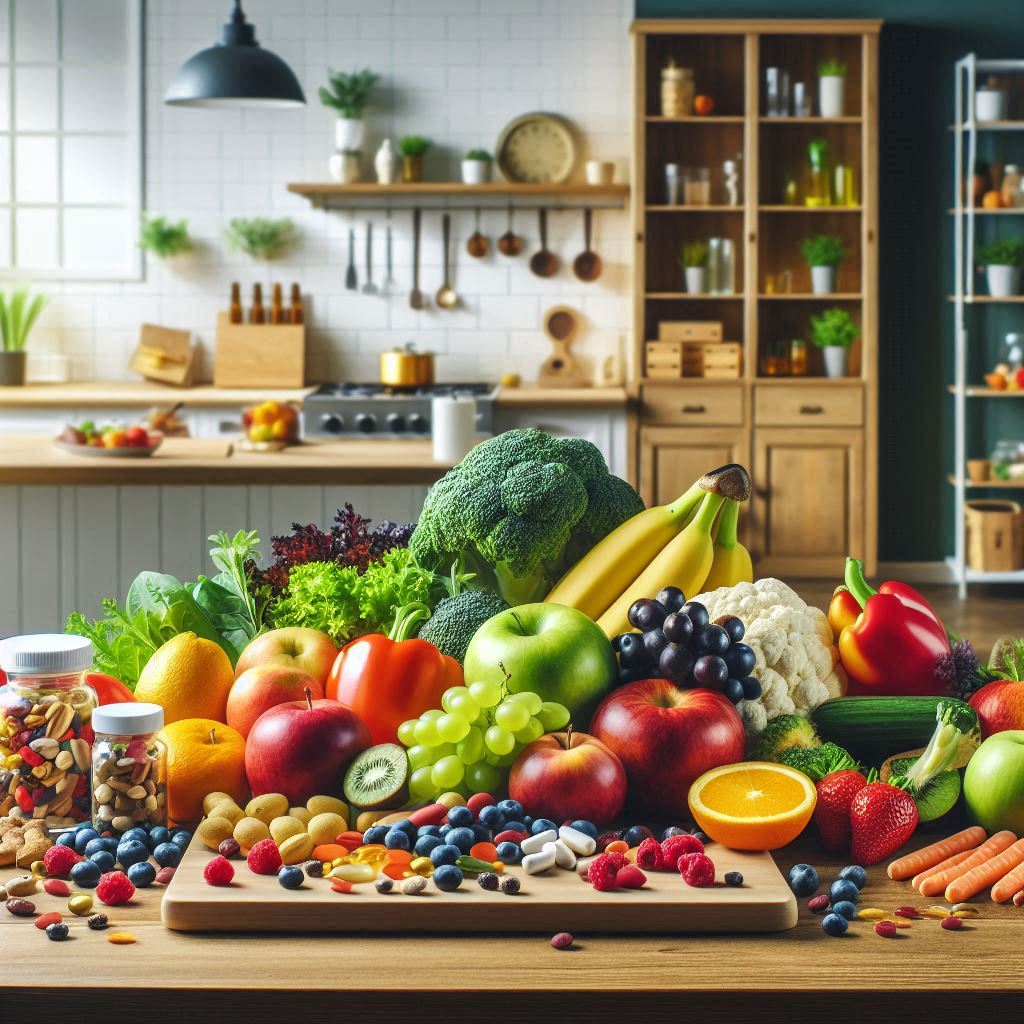
➡ A biohacking diet is a personalized approach to nutrition aimed at optimizing how your body and brain function. It combines science, experimentation, and awareness of how different foods affect you. The goal is to find what works best for your body—because everyone’s biology is different.
These diets are often backed by research but may involve some trial and error. They focus on clean, nutrient-rich foods, avoiding inflammation triggers, and sometimes incorporating supplements or timed eating strategies.
Popular Types of Biohacking Diets
Here are some of the most popular diets within the biohacking world:
i. Ketogenic Diet
A high-fat, low-carb diet that encourages the body to enter a state of ketosis, where it burns fat for energy instead of glucose. It’s favored for mental clarity, weight loss, and stable energy.
ii. Intermittent Fasting
This isn’t a specific food plan but a timing strategy. You eat within a certain window of the day and fast for the rest. It helps with fat loss, insulin sensitivity, and cellular repair.
iii. Paleo Diet
This diet mimics what early humans might have eaten—whole foods like meat, fish, fruits, vegetables, nuts, and seeds. It avoids processed food, grains, and dairy, reducing inflammation and supporting gut health.
iv. Plant-Based Diet
Focused on whole, plant-based foods like vegetables, fruits, legumes, grains, nuts, and seeds. It’s linked to better heart health, digestion, and longevity.
v. Bulletproof Diet
Made popular by biohacker Dave Asprey, this diet emphasizes healthy fats, grass-fed meat, low-toxin vegetables, and the famous “Bulletproof Coffee” (coffee with butter and MCT oil) to boost brain performance.
4. What are Key Elements of a Biohacking Diet?
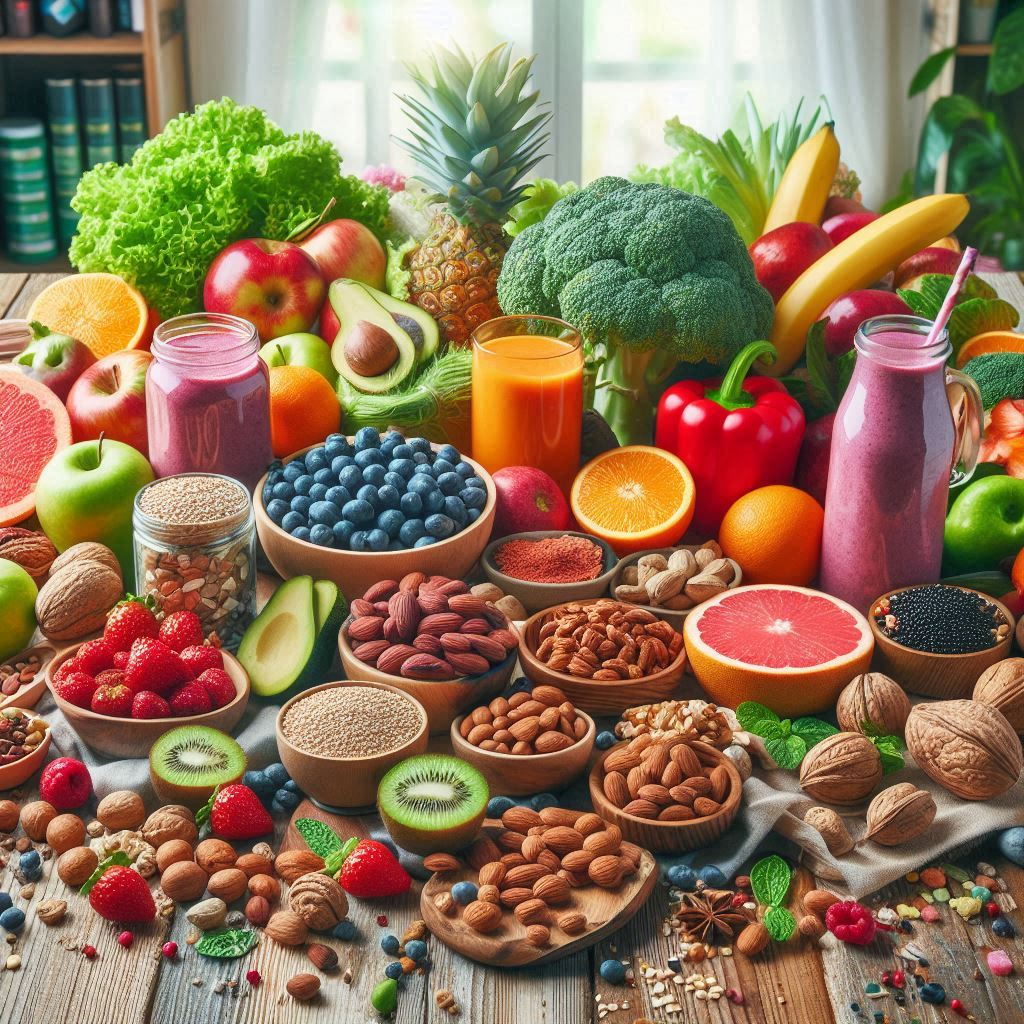
➡ The key elements of a biohacking diet are submitted below:
Anti-inflammatory foods: Think leafy greens, berries, turmeric, and fatty fish.
High-quality fats: Avocados, olive oil, coconut oil, and nuts support brain and hormone function.
Low sugar: Cutting added sugars helps maintain stable energy and focus.
Hydration: Staying well-hydrated is critical for every function in the body.
Supplementation (optional): Some biohackers add vitamins, minerals, or nootropics to enhance focus, sleep, or recovery.
5. Is It Safe to Try a Biohacking Diet?
➡ Most biohacking diets are built around whole, natural foods and can be safe for many people. However, since everyone’s body responds differently, it’s important to observe how your body reacts and consult with a healthcare provider—especially before making major changes or using supplements.
| Read more: Artificial intelligence in healthcare |
| The healthy-life-expert.com crew collected the information via a field visit to provide accurate and genuine information. |

