8 Kitchen Spices That Can Naturally Lower Your Cholesterol
Discover how the everyday spices in your kitchen can do more than add flavor—they may also support better heart health. Research highlights that ingredients like cinnamon, garlic, ginger, turmeric, fenugreek, cayenne, cardamom, and cloves can help lower cholesterol, improve circulation, and reduce inflammation. These simple additions to your meals may gently support your cardiovascular system and strengthen your wellness routine over time.
Keeping your cholesterol in a healthy range isn’t just about a test result—it’s an important part of protecting your heart. While some people may need medication, natural ingredients can also play a helpful role. Many common kitchen spices have properties that reduce inflammation and support overall cardiovascular health. From warm seeds to aromatic roots, these spices don’t just make food taste better—they may support healthier arteries, improved circulation, and steadier cholesterol numbers. Here’s how these everyday flavours can help your heart while fitting easily into your daily meals.
According to a study published in PMC, certain spices can make a meaningful difference in heart health. The research notes that spices like cinnamon may help lower total cholesterol, LDL cholesterol, and triglycerides. Adding these ingredients to your meals can be a simple step toward better cardiovascular wellness while enjoying their rich and comforting flavours.
1. Cinnamon
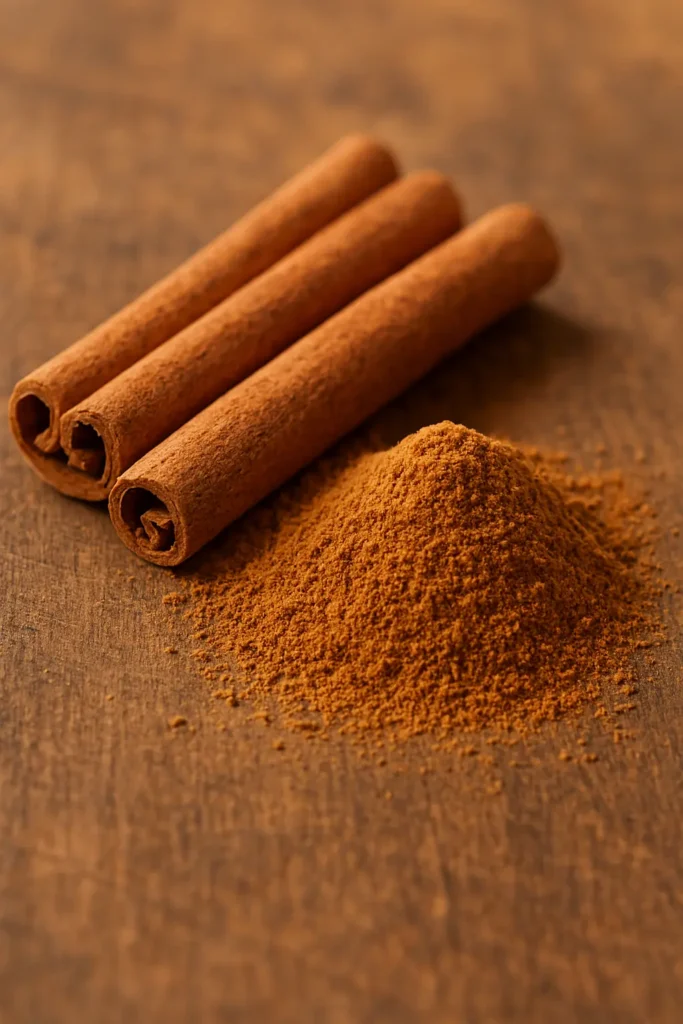
Cinnamon adds warmth to food while supporting heart health. Studies suggest it may help reduce LDL cholesterol and triglycerides while slightly increasing HDL cholesterol. Its main compound, cinnamaldehyde, has anti-inflammatory effects that may contribute to these benefits.
How to use:
Sprinkle ground cinnamon on oatmeal, smoothies, or baked foods. Add a cinnamon stick to tea or coffee.
2. Garlic powder
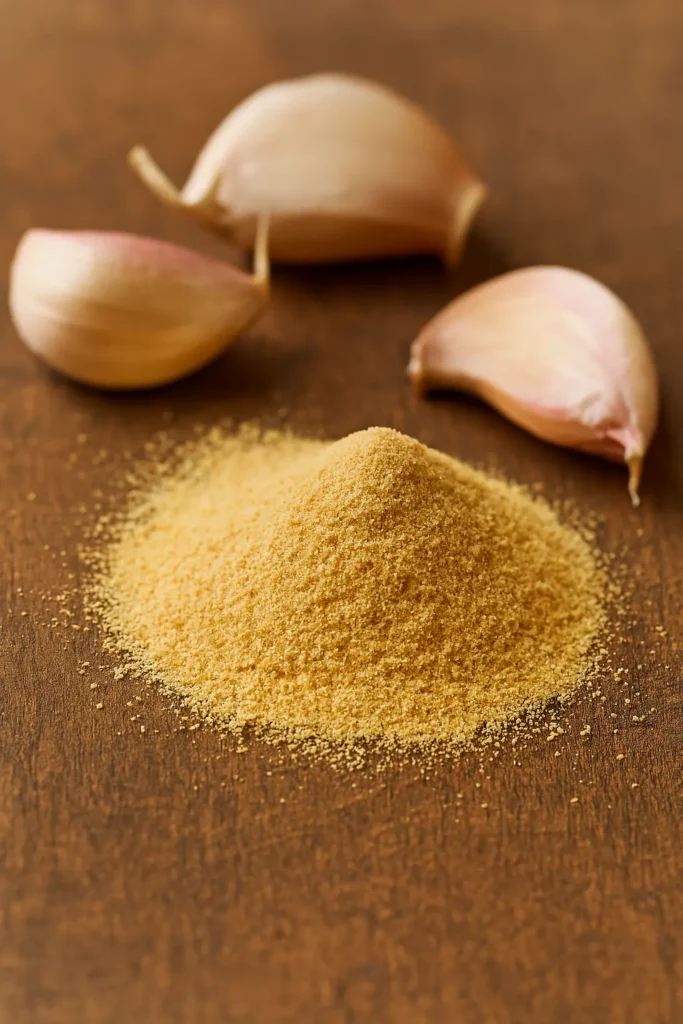
Garlic has been used for centuries for its health benefits, especially for the heart. Allicin, a key compound in garlic, may help reduce total cholesterol and improve blood flow. It also offers antioxidant and anti-inflammatory support, which may help lower blood pressure and protect the heart.
How to use:
Add minced garlic to soups, stir-fries, and salad dressings. Roast whole garlic cloves for a softer, milder taste.
3. Ginger powder
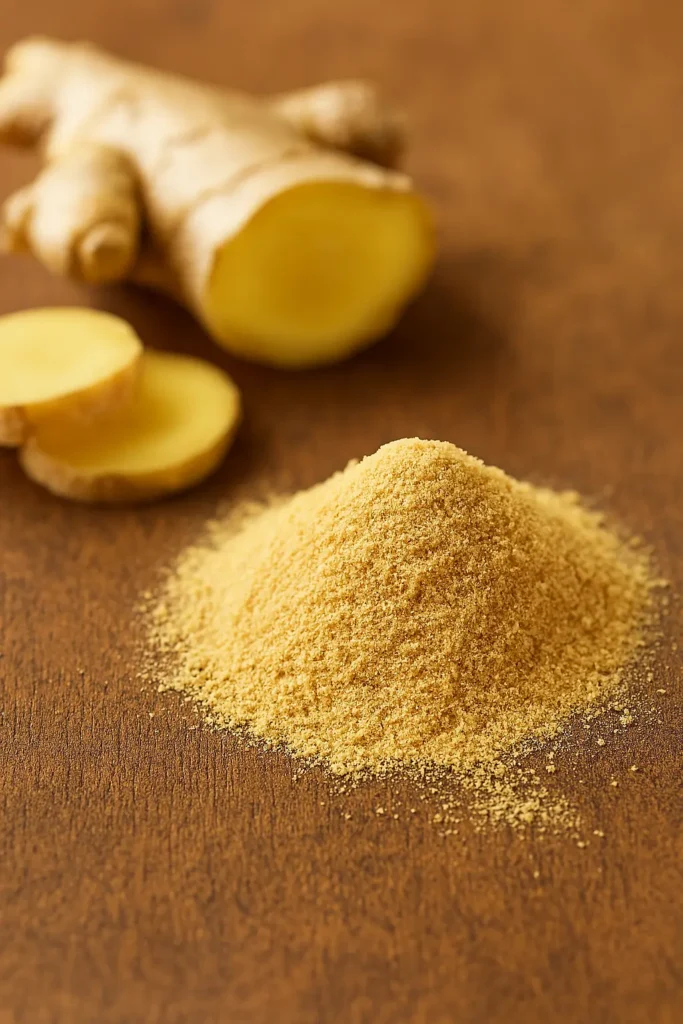
Ginger is a flavourful root known for its heart-friendly qualities. Research shows it may help lower LDL cholesterol and triglycerides. Bioactive compounds like gingerol offer antioxidant and anti-inflammatory benefits.
How to use:
Add fresh ginger to hot water for tea. Grate it into smoothies, stir-fries, or marinades.
4. Turmeric
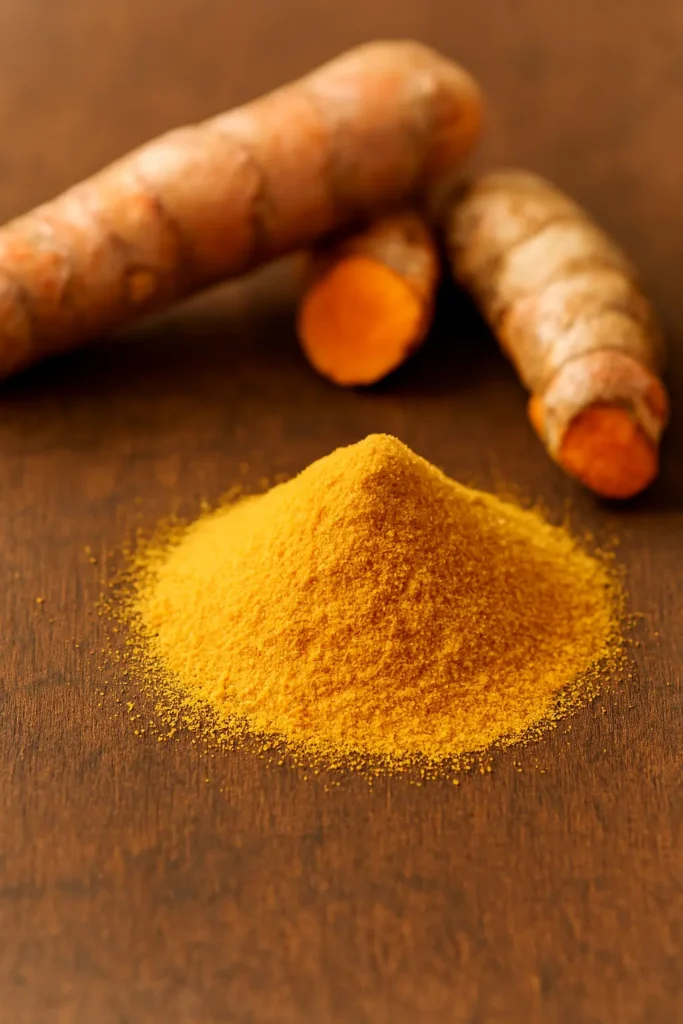
Turmeric is rich in curcumin, a powerful antioxidant with strong anti-inflammatory effects. Some studies suggest curcumin may help lower LDL cholesterol and improve overall lipid balance.
How to use:
Add turmeric to curries, rice dishes, and soups. Mix it into warm milk to make a traditional golden milk drink.
5. Fenugreek
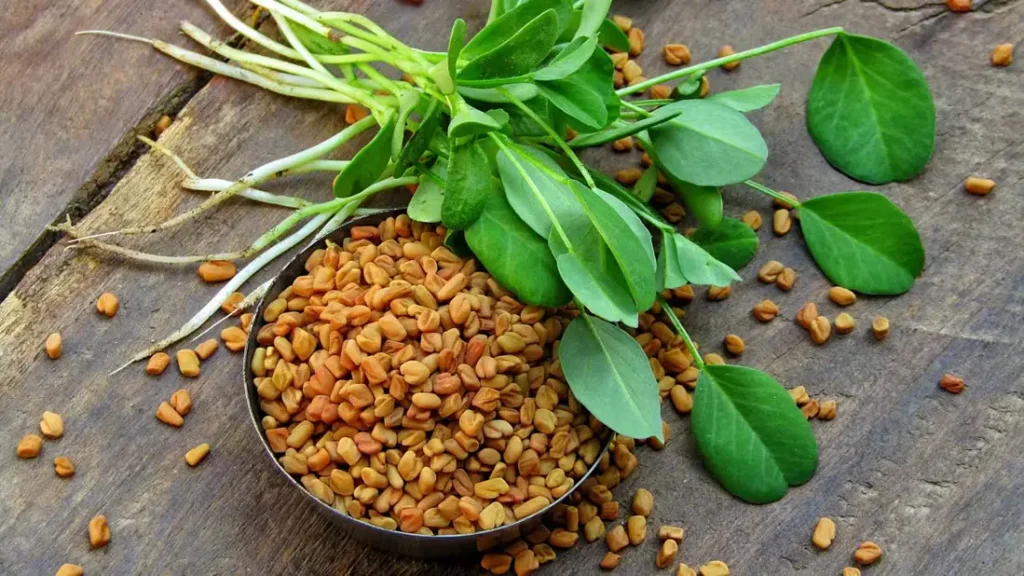
Fenugreek seeds contain soluble fibre that may help reduce cholesterol absorption in the intestines. Studies have shown that fenugreek can lower total cholesterol and LDL cholesterol, making it a helpful addition to heart-conscious diets.
How to use:
Soak fenugreek seeds overnight and eat them in the morning. Add ground fenugreek to curries or sprinkle it on salads.
6. Cayenne pepper
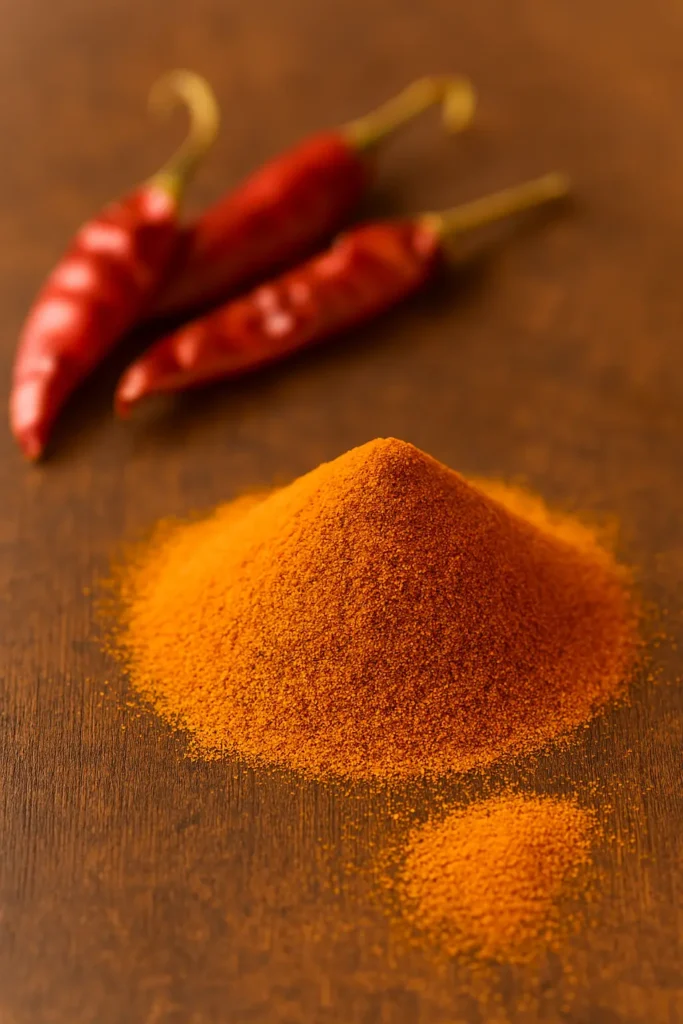
Cayenne pepper contains capsaicin, which may help lower cholesterol by supporting metabolism and fat breakdown. While more research is needed, adding cayenne pepper can bring both flavour and potential health benefits.
How to use:
Sprinkle it on roasted vegetables or popcorn. Add a pinch to soups, stews, or marinades.
7. Cardamom
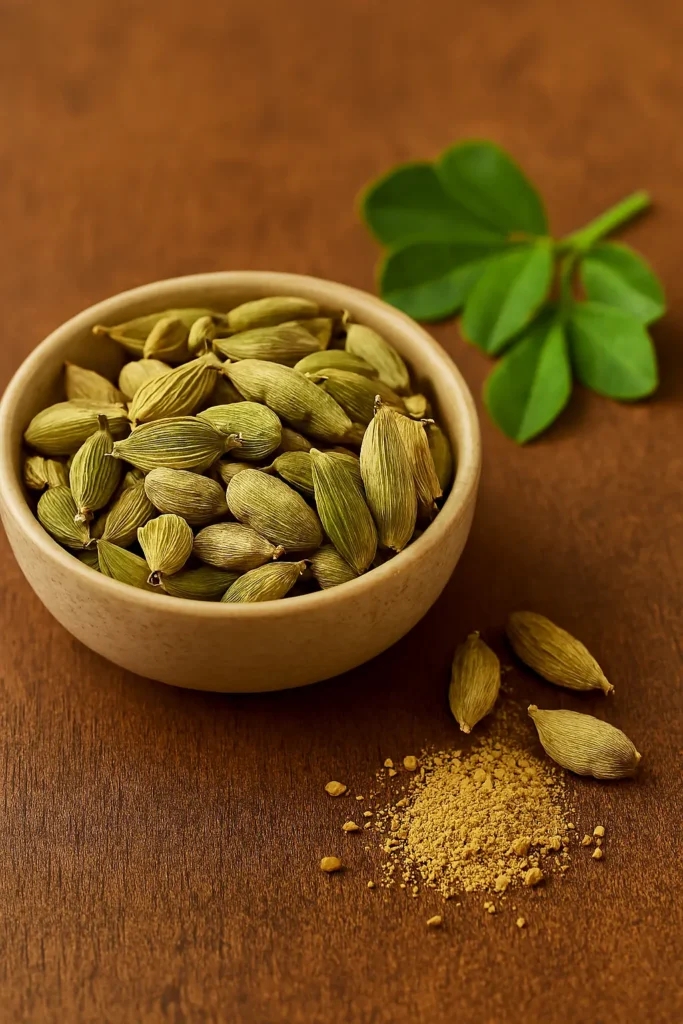
Cardamom is a fragrant spice that may help improve lipid profiles. Some research suggests it can reduce total cholesterol and triglyceride levels while offering antioxidant support for heart health.
How to use:
Add crushed cardamom to coffee, tea, or desserts. Use it in rice dishes, curries, or smoothies for a warm, comforting flavour.
8. Cloves
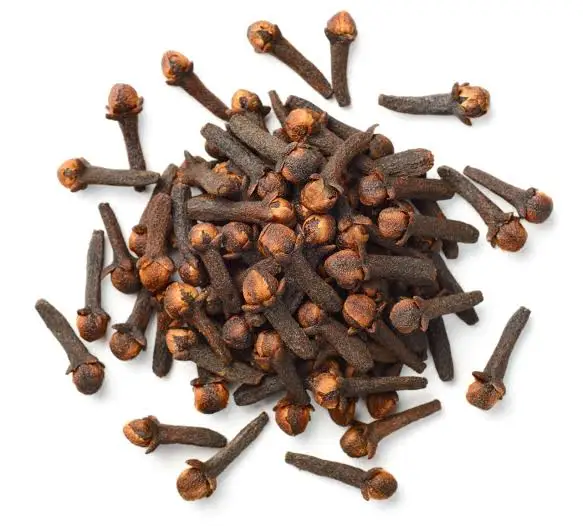
Their active compound, eugenol, may help lower LDL cholesterol and support overall cardiovascular health.
How to use:
Add whole cloves to rice, hot drinks, or stews. Use ground cloves in baking, spice mixes, or marinades.
Disclaimer: This article is for informational purposes only and is not a substitute for medical advice. Always consult a qualified healthcare provider before changing your diet or treatment plan.
| Read more: The Surprising Reasons Behind Protein in Urine and Kidney Stones — Doctors Want You to Know This |
| The healthy-life-expert.com crew collected the information via a field visit to provide accurate and genuine information. |

