The Surprising Reasons Behind Protein in Urine and Kidney Stones — Doctors Want You to Know This
One of the earliest clues that your kidneys may not be working properly is when protein starts leaking into the urine, a condition known as proteinuria. Normally, your kidneys act like a high-quality filter: they remove waste and extra fluid while keeping essential proteins inside your bloodstream. But if those filters are damaged, proteins begin slipping out through the urine. Many of the conditions that cause this leakage can also increase the risk of kidney stones, which is why doctors often see both problems together. Understanding the reasons behind proteinuria can help you notice symptoms early and protect your kidney health. Top nephrologist Dr. Nikita Pawar explains the most common causes.
Autoimmune antibodies attacking the kidneys

Autoimmune diseases are a major reason why protein leaks into the urine. In conditions such as lupus nephritis, IgA nephropathy, and other forms of glomerulonephritis, the body’s immune system mistakenly attacks the kidney’s filtering units. These filters, called glomeruli, become inflamed and can no longer keep essential proteins from passing into the urine. Long-term inflammation also disrupts the balance of minerals in the urine, creating conditions that make kidney stones more likely. The kidneys may struggle to manage uric acid and calcium properly, which can lead to crystallization and stone formation. Many people with autoimmune kidney disease experience both proteinuria and stones. Because of this, early diagnosis and treatment play an important role in preventing long-term kidney damage.
Uncontrolled diabetes
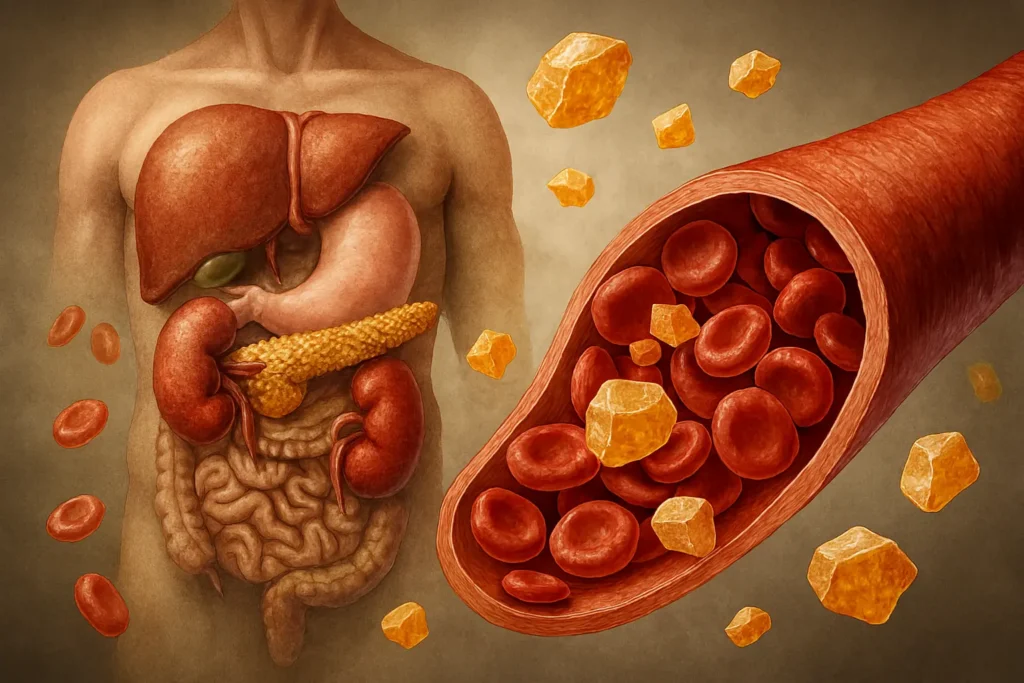
High blood sugar damages the tiny blood vessels inside the kidneys, a condition known as diabetic nephropathy. Over the years, the filtering units thicken, stiffen, and become less effective at clearing waste. As they weaken further, they begin allowing protein to escape into the urine. Diabetes also changes how the body processes minerals. Many people with high blood sugar pass more calcium, uric acid, and oxalates into their urine while having lower levels of citrate, a natural substance that helps prevent stones. This imbalance increases the risk of kidney stones. Poorly controlled diabetes can also lead to more acidic urine, raising the risk of uric acid stones. Keeping blood sugar under control is one of the most important ways to maintain kidney and urinary health.
Uncontrolled high blood pressure
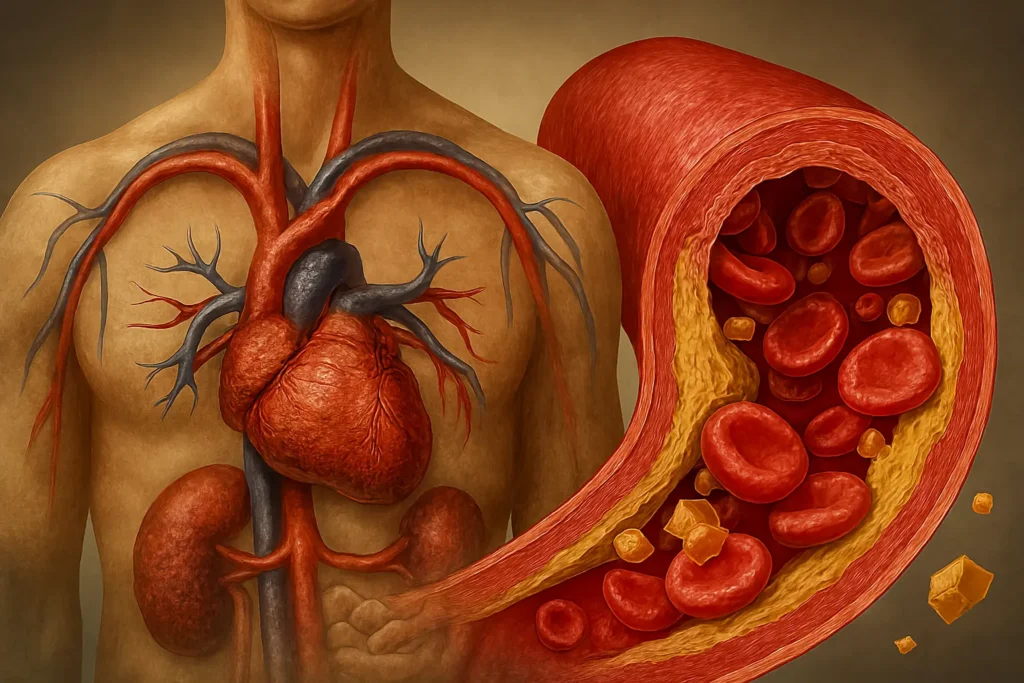
Chronic high blood pressure puts ongoing strain on the delicate tissues inside the kidneys, gradually damaging them. Over time, this pressure leads to scarring and weakens the filtration barrier that normally keeps proteins inside the bloodstream. Once this barrier is compromised, protein begins leaking into the urine. High blood pressure also reduces blood flow to the kidneys, limiting their oxygen supply and causing further tissue injury. As the kidneys weaken, mineral levels in the urine shift. Calcium levels often rise, increasing the chance of forming calcium-based stones. If stones develop, they can irritate the urinary system and raise blood pressure even more, creating a cycle in which high blood pressure and kidney stones worsen one another. Managing blood pressure is crucial for preventing both proteinuria and stone formation.
Congenital or inherited kidney diseases
Some people are born with kidney abnormalities or inherited disorders that affect kidney structure or function. Conditions such as polycystic kidney disease, Alport syndrome, and congenital obstructions can cause the kidneys to weaken or malfunction early in life. When the kidneys are malformed or genetically predisposed to damage, protein leakage often appears sooner. These disorders may also alter urine flow or disrupt mineral processing. Poor drainage, repeated infections, or unusual mineral balance can make kidney stones more likely. Detecting these conditions early helps individuals manage symptoms and protect their kidney function over time.
| The healthy-life-expert.com crew collected the information via a field visit to provide accurate and genuine information. |

