Introduction
A. Exotic Foods
The food which is weird or strange for a certain person. Exotic foods contain any unusual type of meats, vegetables, fruits, or spices with unique flavors or tastes.
1. Exotic Fruits
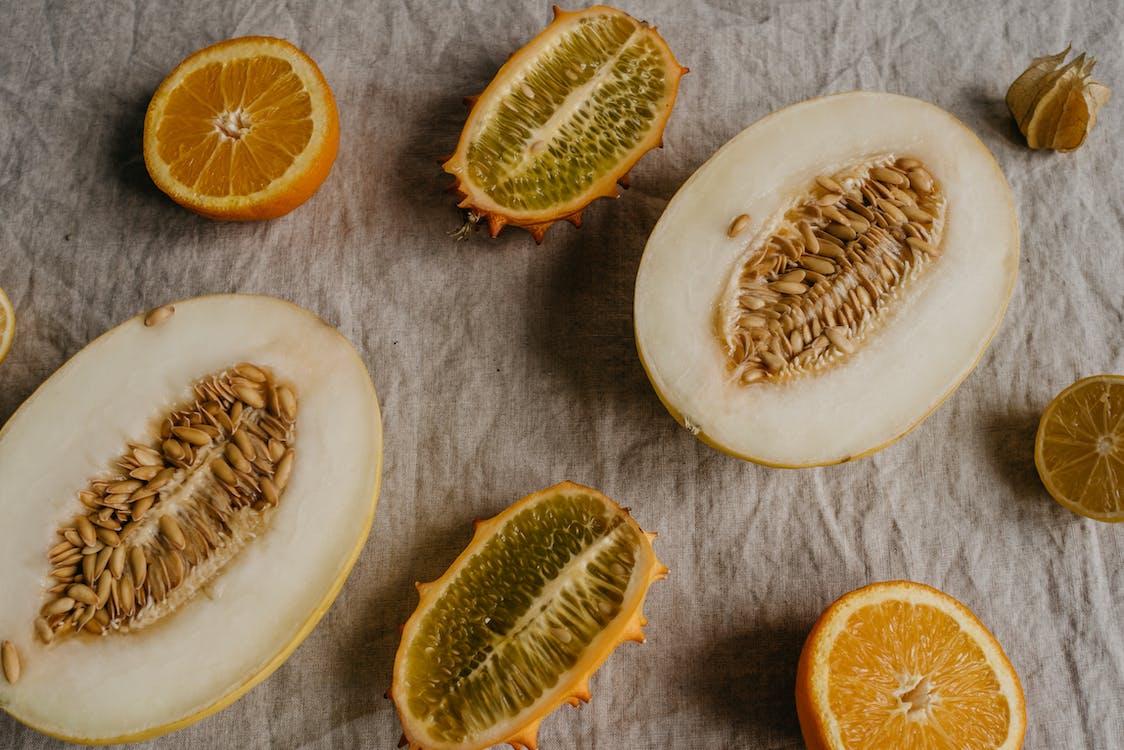
a. Horned Melons
| ✓ Horned Melons are found in the Central and Southern regions of Africa. ✓ It is slightly sweet and sour. |
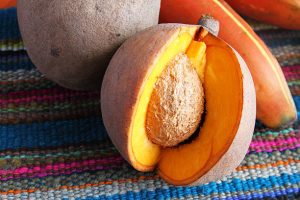
b. Mamey Sapote
| ✓ Mamey Sapote is found in Mexico and the Central part of America. ✓ It tastes like sweet potato, apricot and pumpkin. |
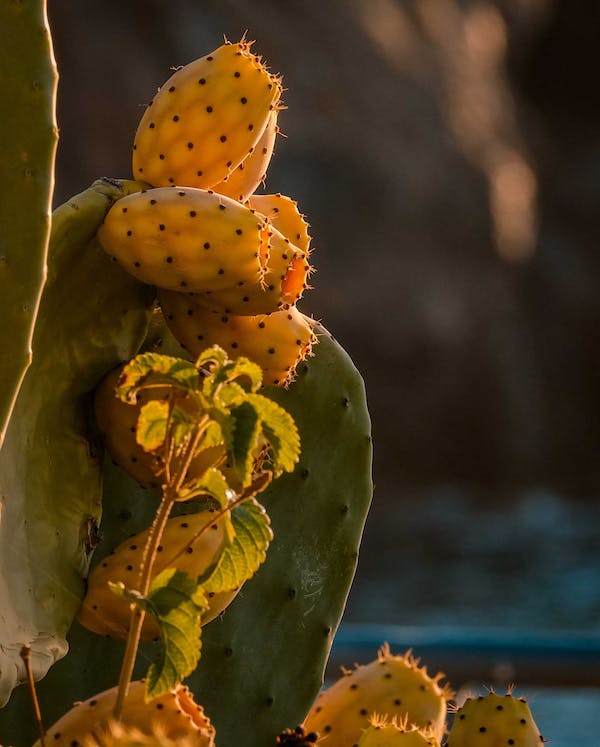
c. Prickly pear
| ✓ Prickly pear is found in Mexico and Central and Western regions of the West Indies. ✓ It has a soft, bursting interior with a sweet flavor. |
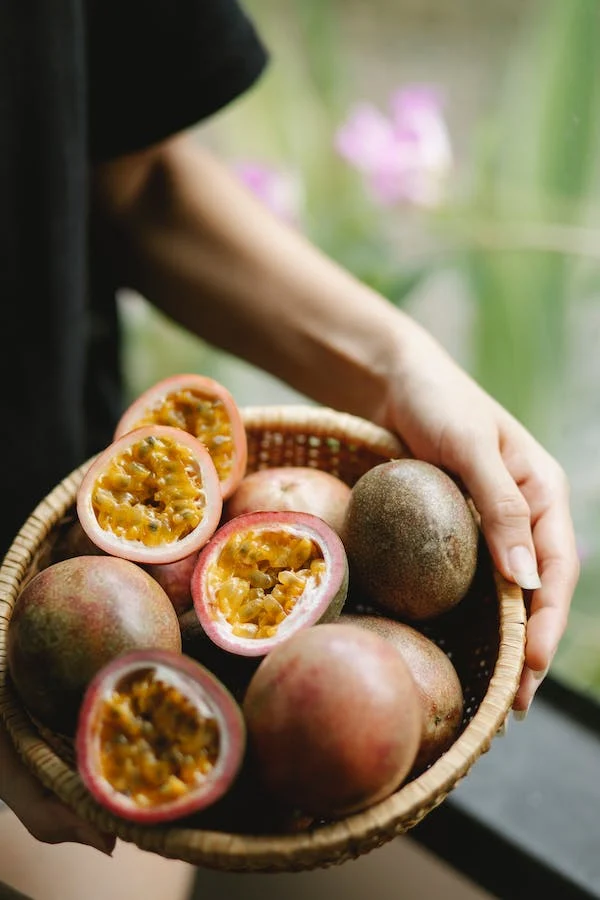
| ✓ Passion Fruit is found in New Zealand. ✓ It tastes like melon, pineapple, and Kiwi & has a sour and Sweet taste. |
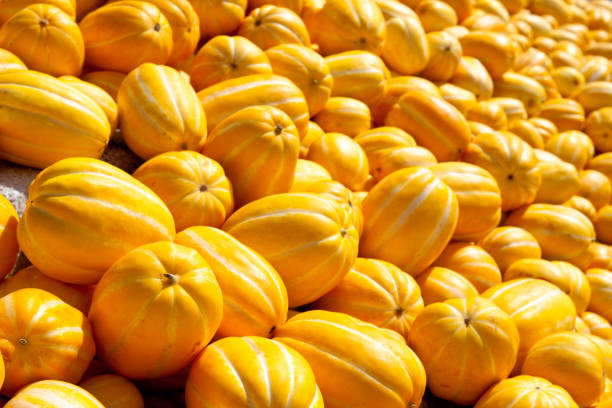
e. Oriental melon
| ✓ Oriental melon is found in Korea, Japan, and Northern China. ✓ It tastes like cantaloupe pear and banana. |
2. Origin and Flavor of Exotic food
| Fruit | Origin | Flavor/Taste |
|---|---|---|
| Horned Melons | Central and Southern Africa | Slightly sweet and sour |
| Mamey Sapote | Mexico and Central America | Sweet potato, apricot, and pumpkin-like prickly |
| Prickly Pear | Mexico and Western West Indies | Soft, bursting interior with a sweet flavor |
| Passion Fruit | New Zealand | Melon, pineapple, and kiwi with a sour-sweet taste |
| Oriental Melon | Korea, Japan, and Northern China | Cantaloupe, pear, and banana-like |
3. Nutritional Aspect of Exotic Fruit
| Fruits | Nutrients |
| Horned Melons | Vitamin C, Vitamin A and Zinc |
| Mamey Sapote | Fiber and Vitamin C |
| Prickly pear | Fiber, Vitamin C and magnesium |
| Passion Fruit | Vitamin A and Vitamin C |
| Oriental melon | Vitamin C and Vitamin A |
4. Exotic Vegetables
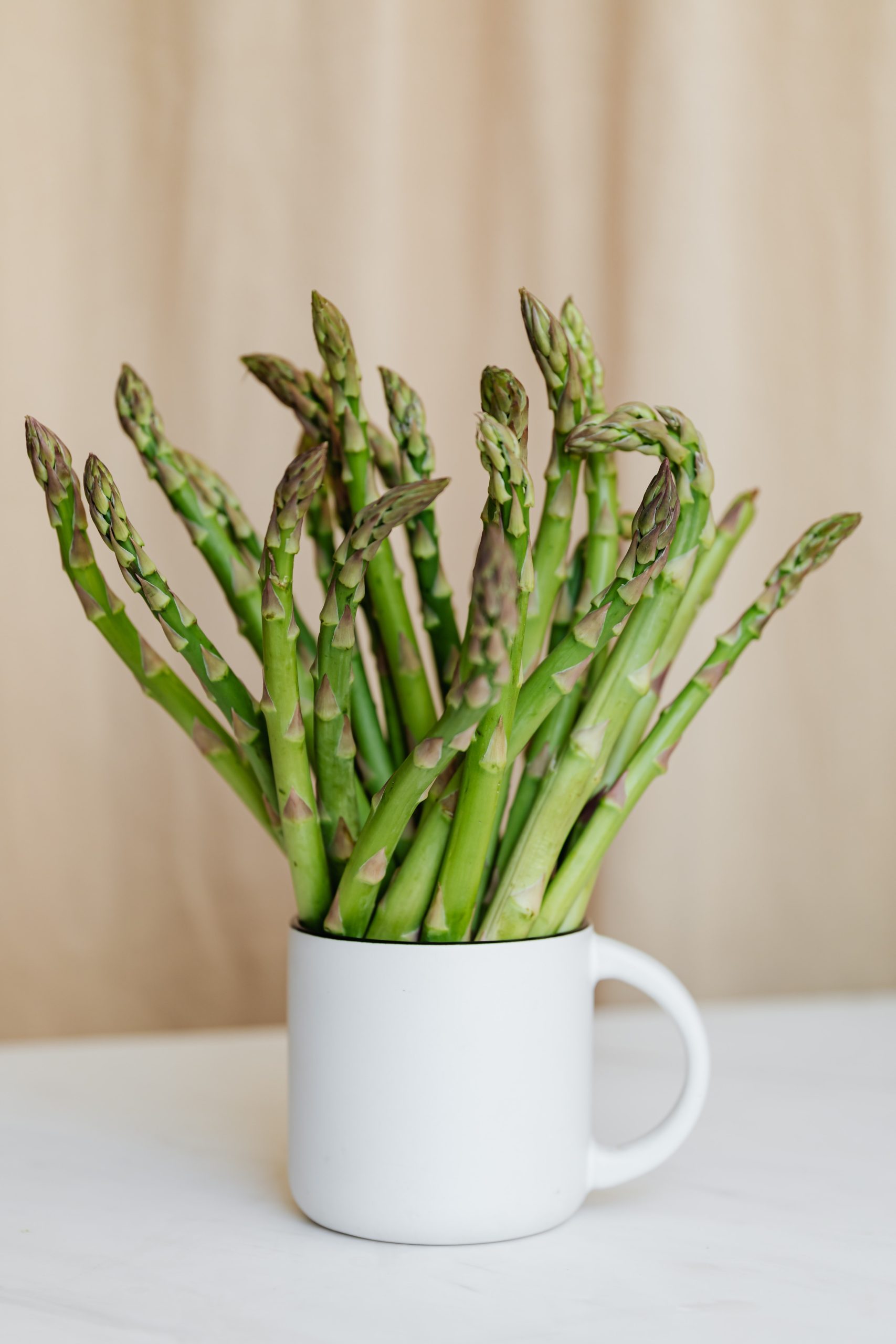
a. Asparagus
| ✓ It is found in Europe, Asia, and North Africa. ✓ It has a mixed taste of bitter and sweet. |
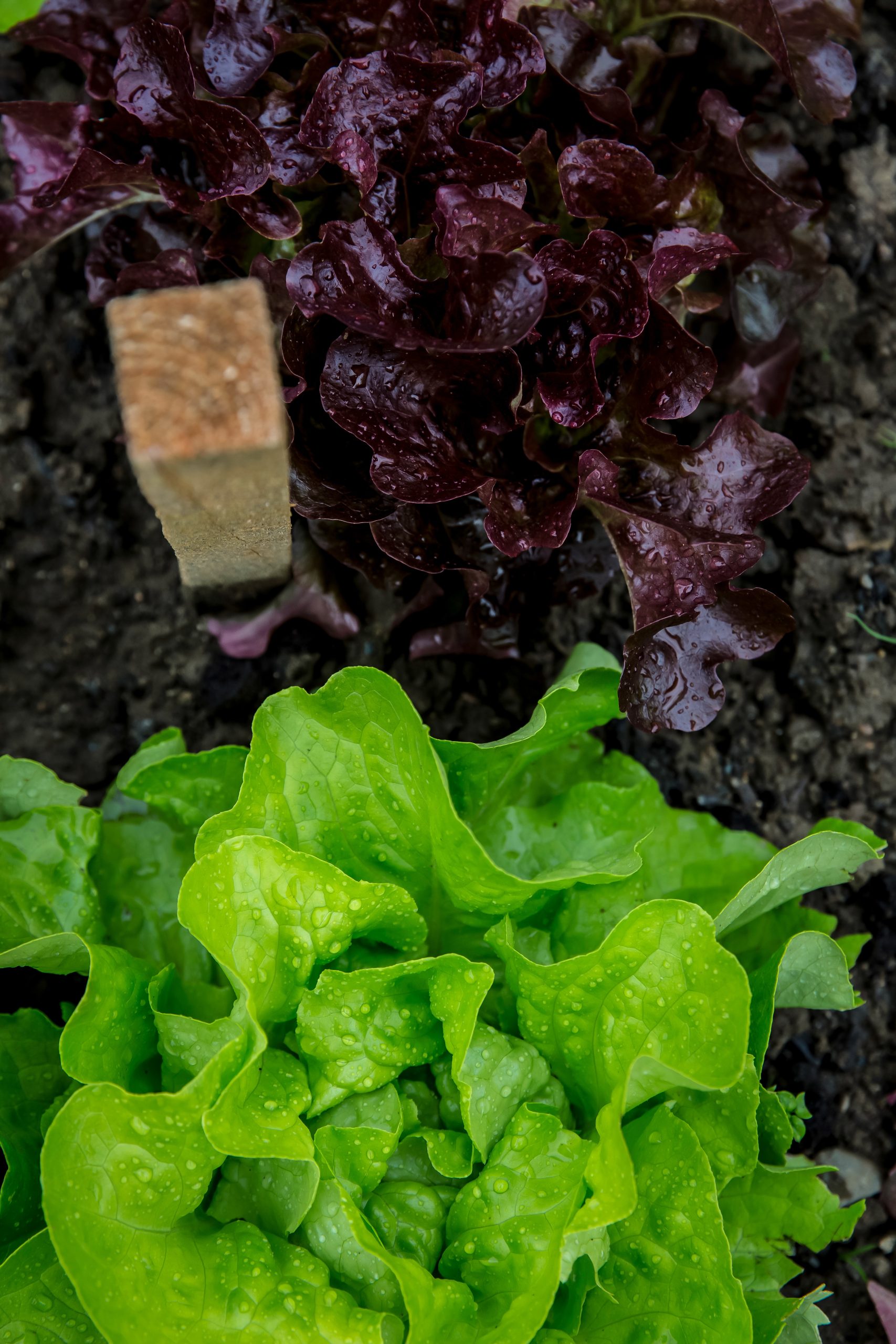
b. Lettuce
| ✓ Lettuce is found in Europe and North America. ✓ It has a mixed taste of bitter and sweet. |
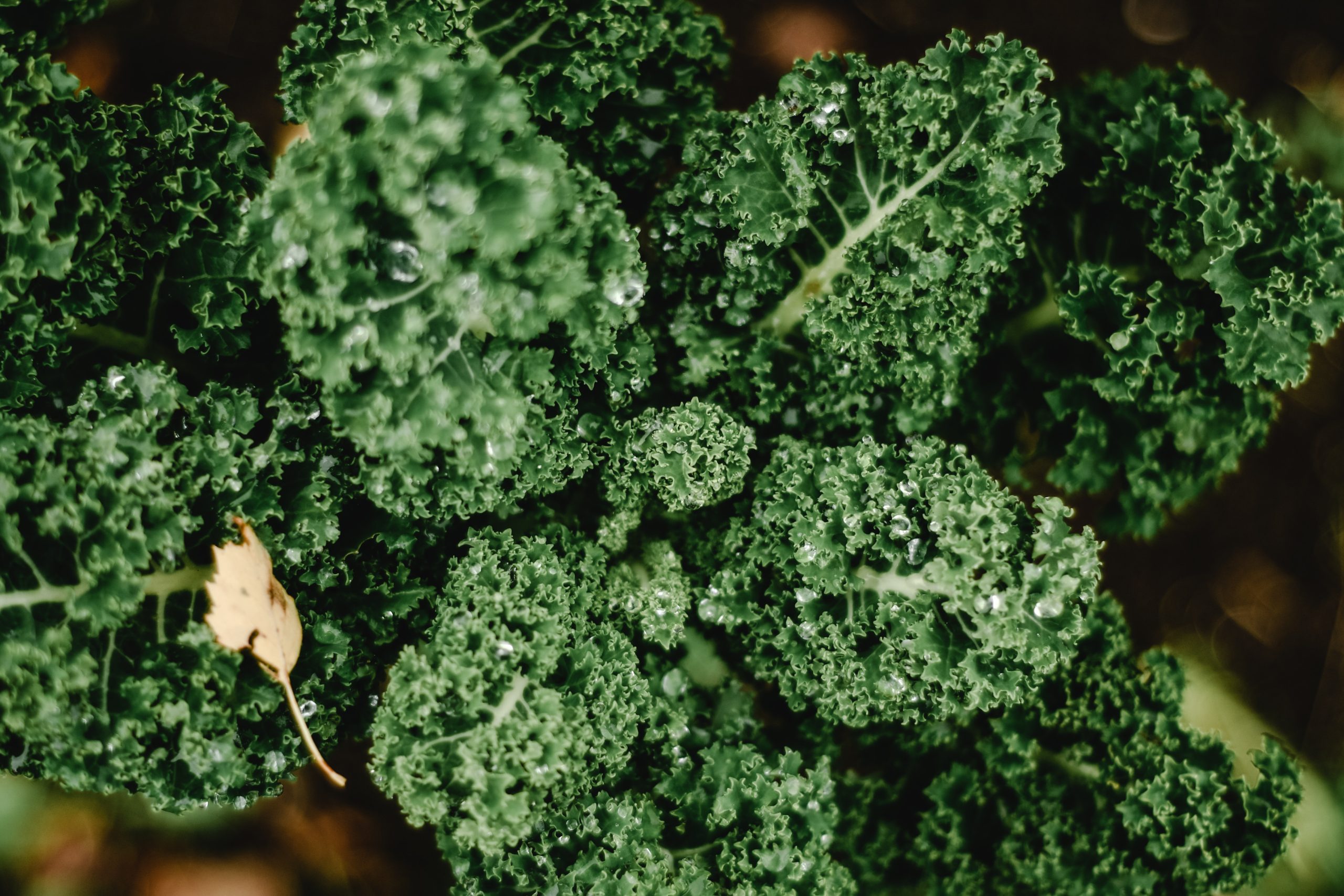
c. Kale
| ✓ Kale is found in Europe and Asia Minor. ✓ It has a taste of earthy and slightly bitter. |
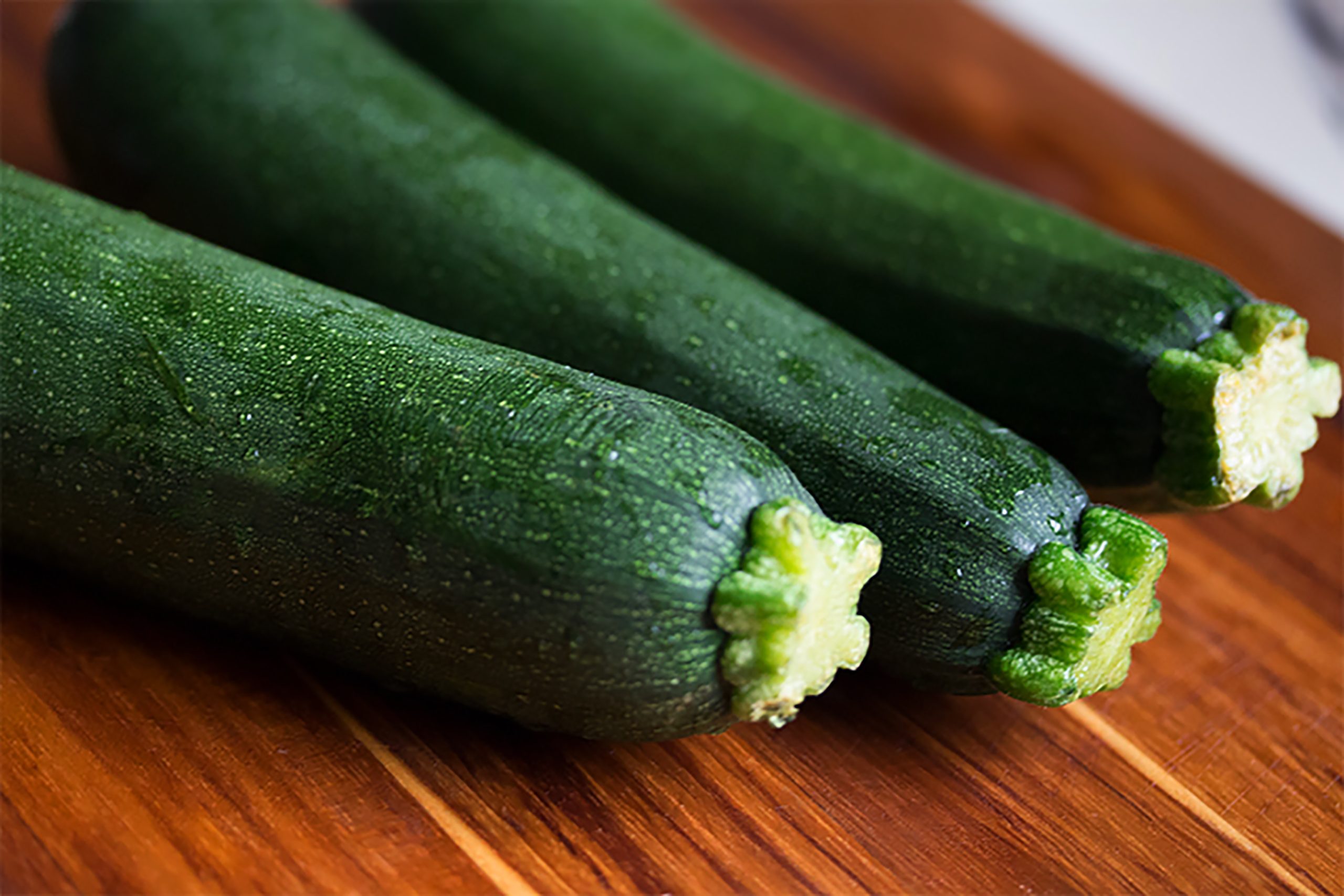
d. Zucchini
| ✓ Zucchini is found in Mexico and Central America. ✓ It is slightly sweet and a little bit bitter. |
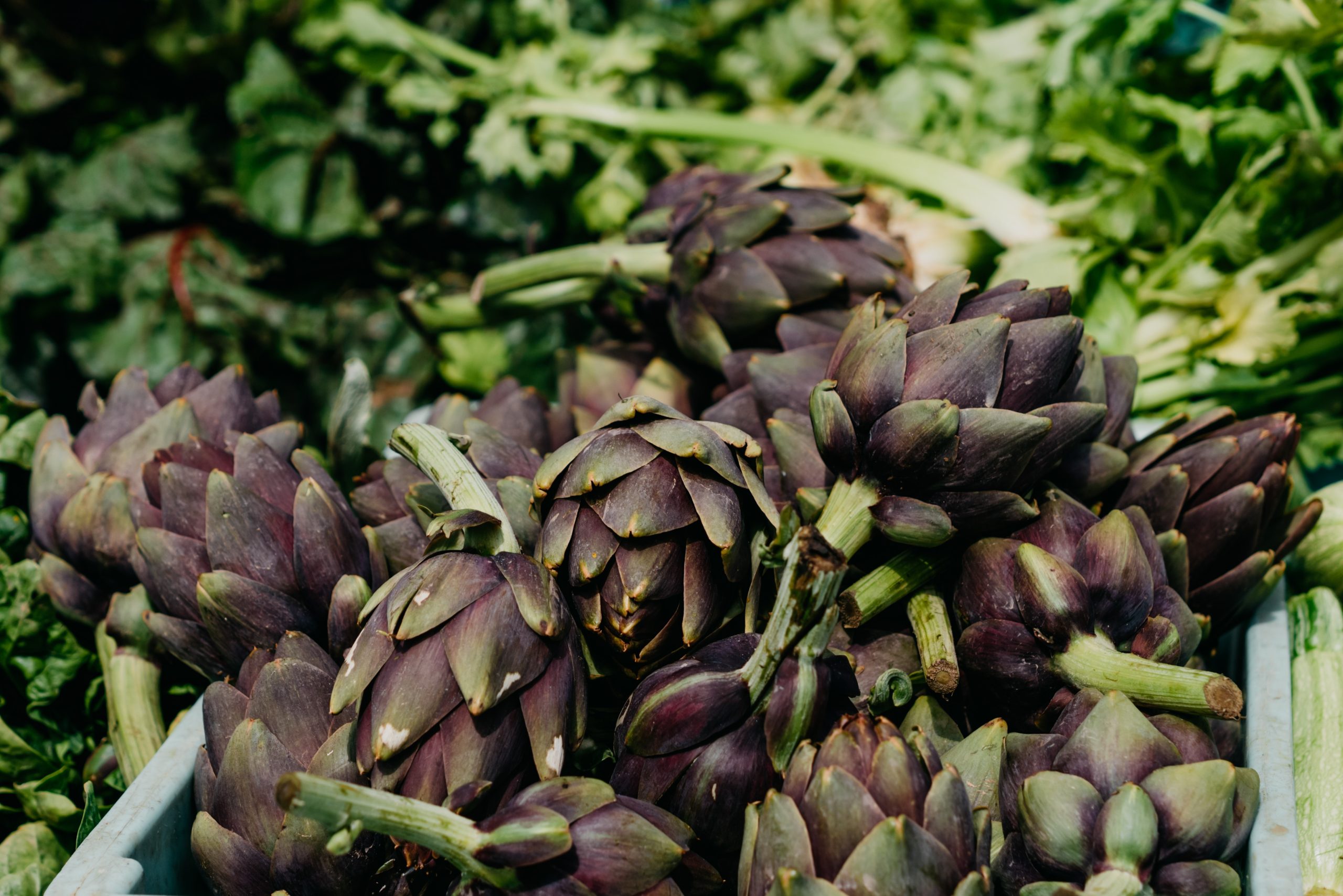
e. Artichoke
| ✓ Artichoke is found primarily in the Mediterranean and California. ✓ It has a taste quite earthy, a little bit bitter, and a slightly nutty flavor. |
4. Location and Taste of Exotic vegetables
| Vegetable | Location | Taste Description |
|---|---|---|
| Asparagus | Europe, Asia, North Africa | Bitter and sweet |
| Lettuce | Europe, North America | Bitter and sweet |
| Kale | Europe, Asia Minor | Earthy, slightly bitter |
| Zucchini | Mexico, Central America | Slightly sweet, slightly bitter |
| Artichoke | Mediterranean, California | Earthy, slightly bitter, slightly nutty |
5. Nutritional aspect of Exotic Vegetables
| Vegetables | Nutrients |
| a. Asparagus | Carbohydrate, Fiber and Protein |
| b. Lettuce | Vitamin C, Iron and calcium |
| c. Kale | Vitamin A, c, B6, fiber and Carotenoids |
| d. Zucchini | Vitamin A, C, lutein and manganese |
| e. Artichoke | fiber, Minerals, and antioxidants |
6. Exotic meat
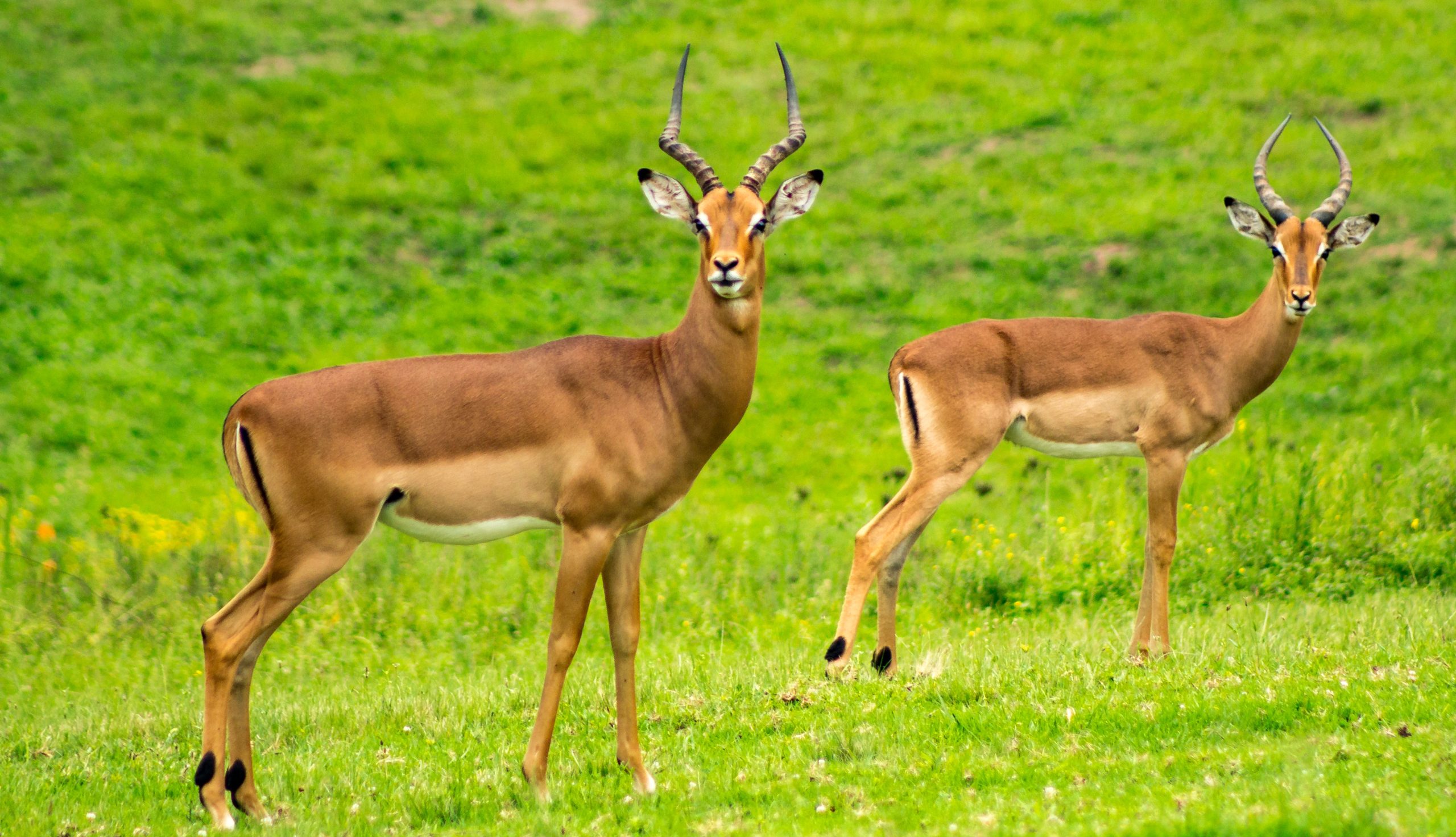
a. Antelope
| ✓ Antelope meat is found in regions of Africa. ✓ It has a wild taste and has a taste similar to venison. |
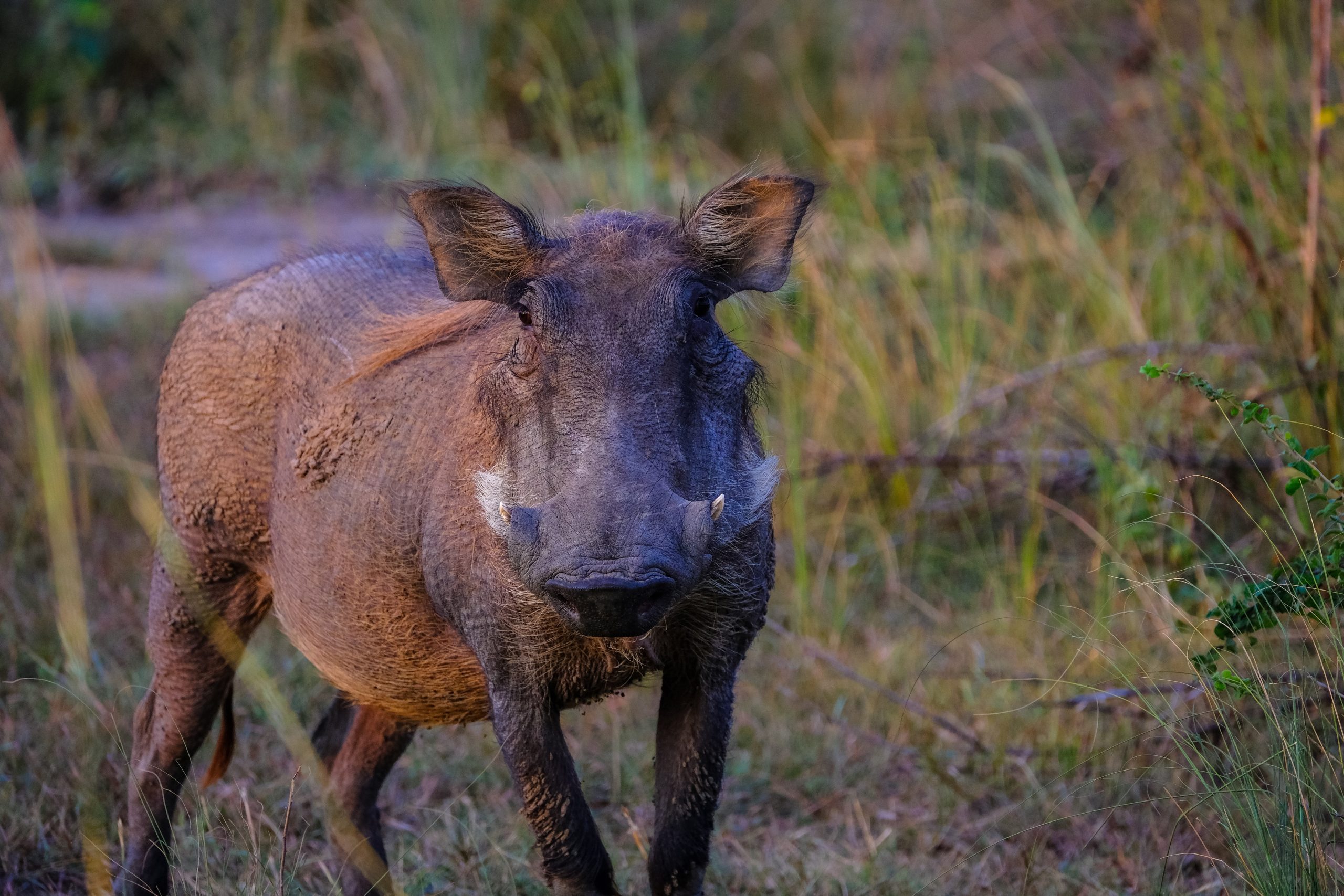
b. Wild Boar
| ✓ Wild Boar meat is found in North Africa, Asia, and Europe except in Scandinavia. ✓ It has a nutty flavor and it tastes like a cross between pork and beef. |
c. Beef
| ✓ Beef is found in the United States, Brazil, India, Argentina, and so on. ✓ It has a savory and umami flavor. |
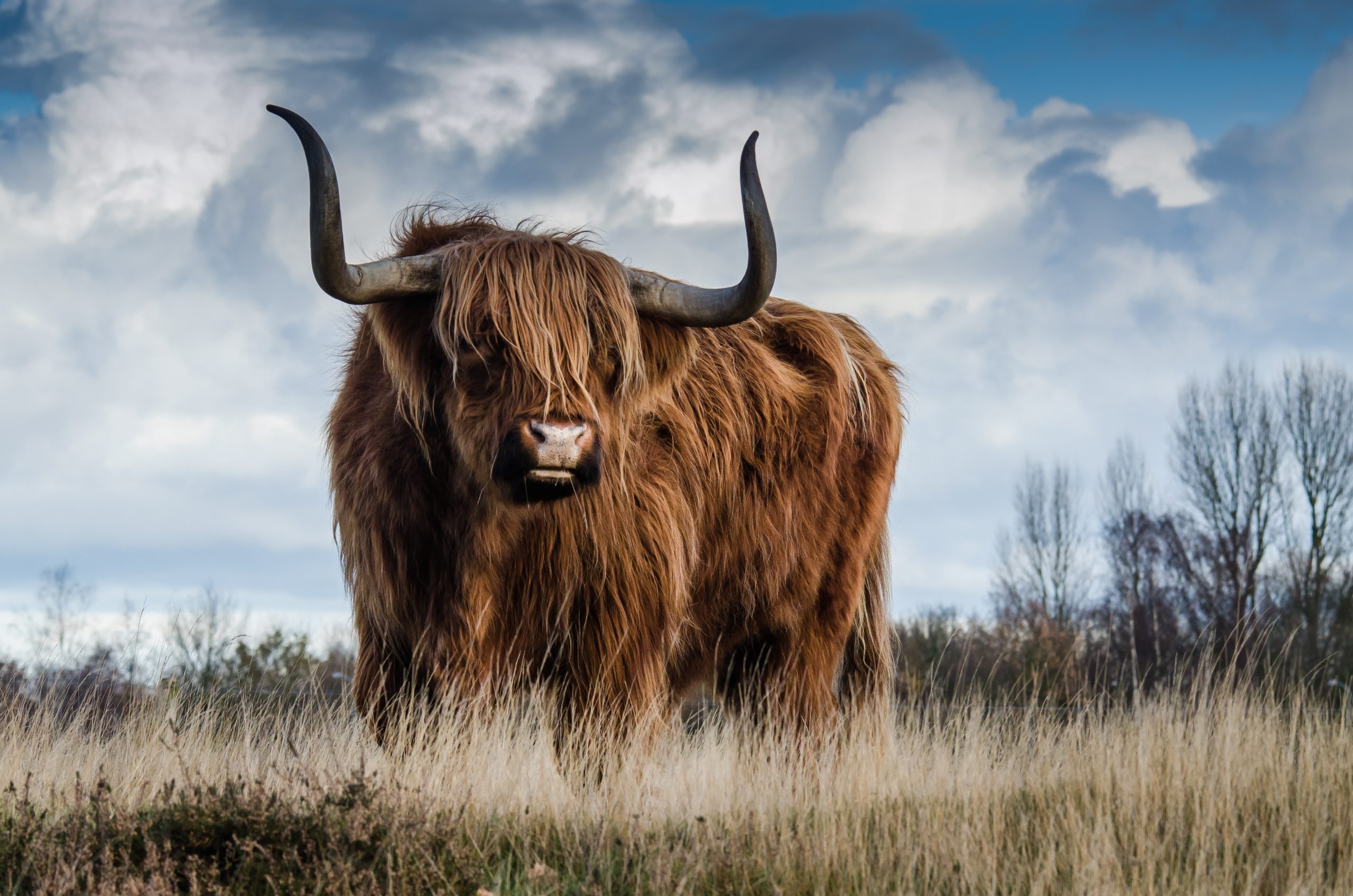
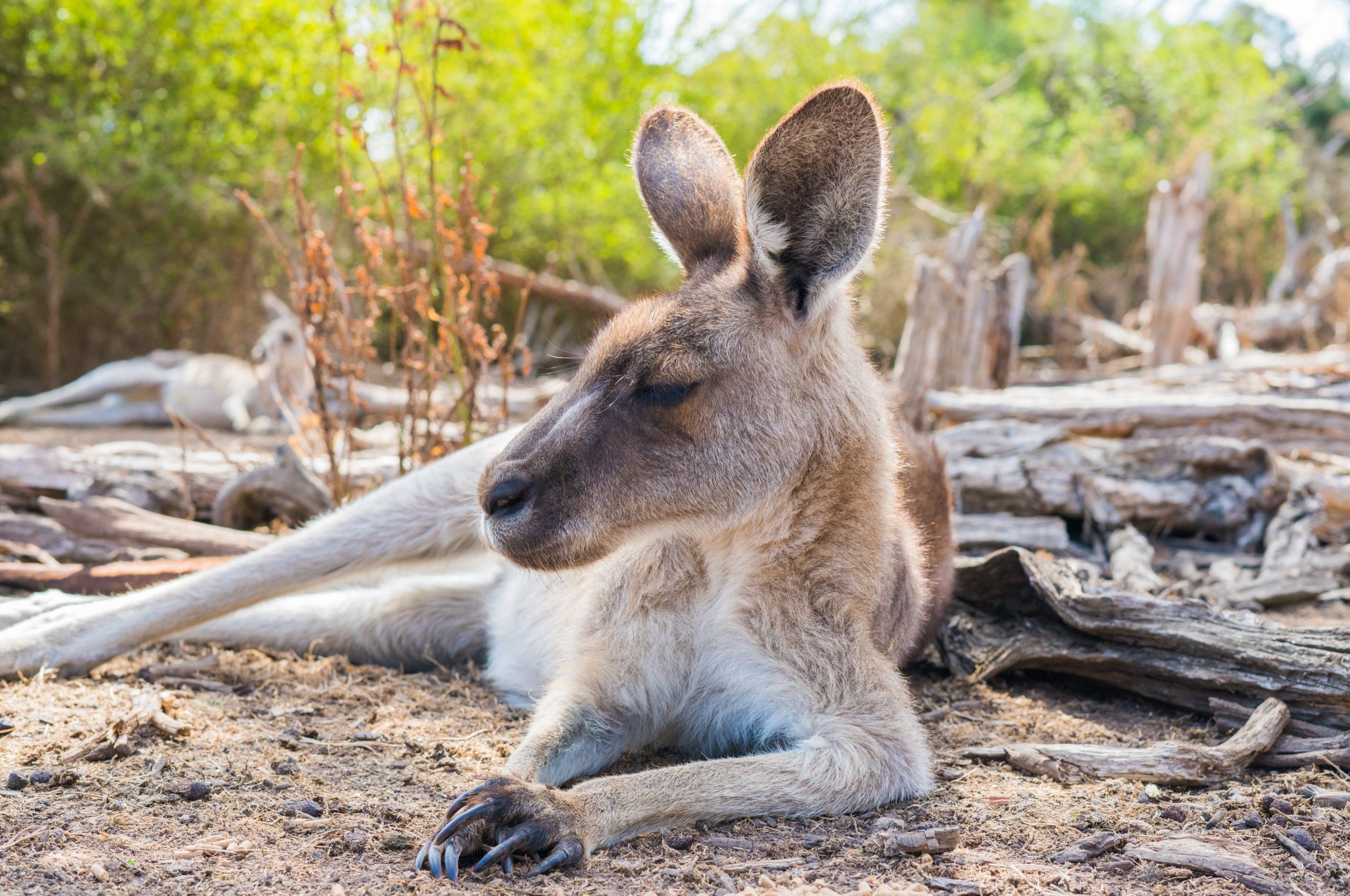
d. Kangaroo
| ✓ Kangaroo meat is found in Australia. ✓ It has a rich and robust flavor. |
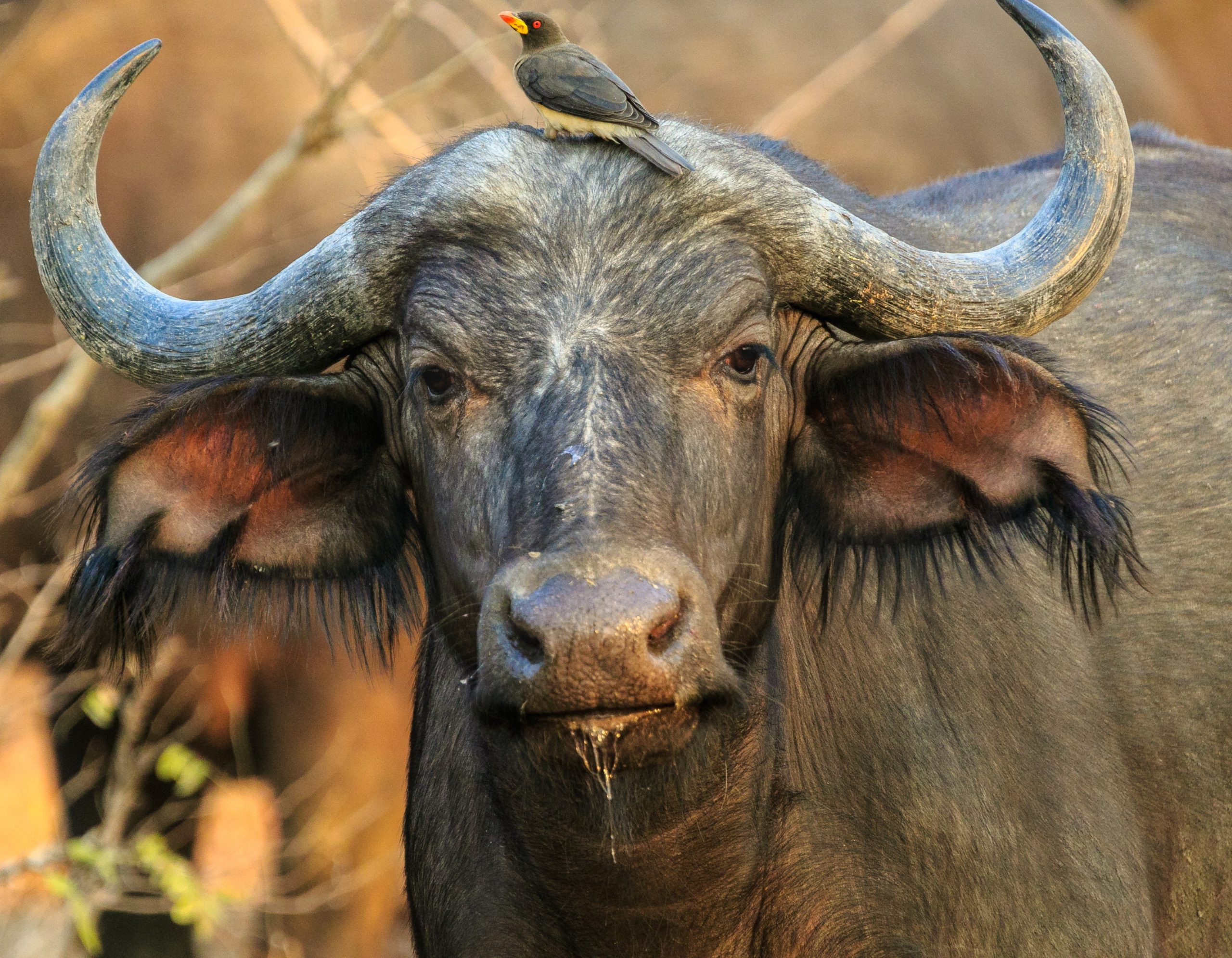
e. Buffalo
| ✓ Buffalo meat is found mostly in Asia, Australia, Russia, Egypt, Italy and so on. ✓ It tastes of soft, tender, and juicy with little bit of sweetness. |
7. Location and Taste of Exotic Meat
| Meat | Location | Taste Description |
|---|---|---|
| Antelope | Regions of Africa | Wild taste, similar to venison |
| Wild Boar | North Africa, Asia, Europe (except Scandinavia) | Nutty, cross between pork and beef |
| Beef | United States, Brazil, India, Argentina, etc. | Savory and umami flavor |
| Kangaroo | Australia | Rich and robust flavor |
| Buffalo | Asia, Australia, Russia, Egypt, Italy, etc. | Soft, tender, juicy with a hint of sweetness |
8. Nutritional aspect of Exotic Meat
| Exotic Meat | Nutrients |
| a. Antelope | Phosphorus, Iron, Selenium and Potassium |
| b. Wild Boar | Fat and Protein |
| c. Beef | niacin |
| d. Kangaroo | B-group vitamins |
| e. Buffalo | Iron, Sodium, Potassium and Zinc |
9. Most Dangerous Exotic food
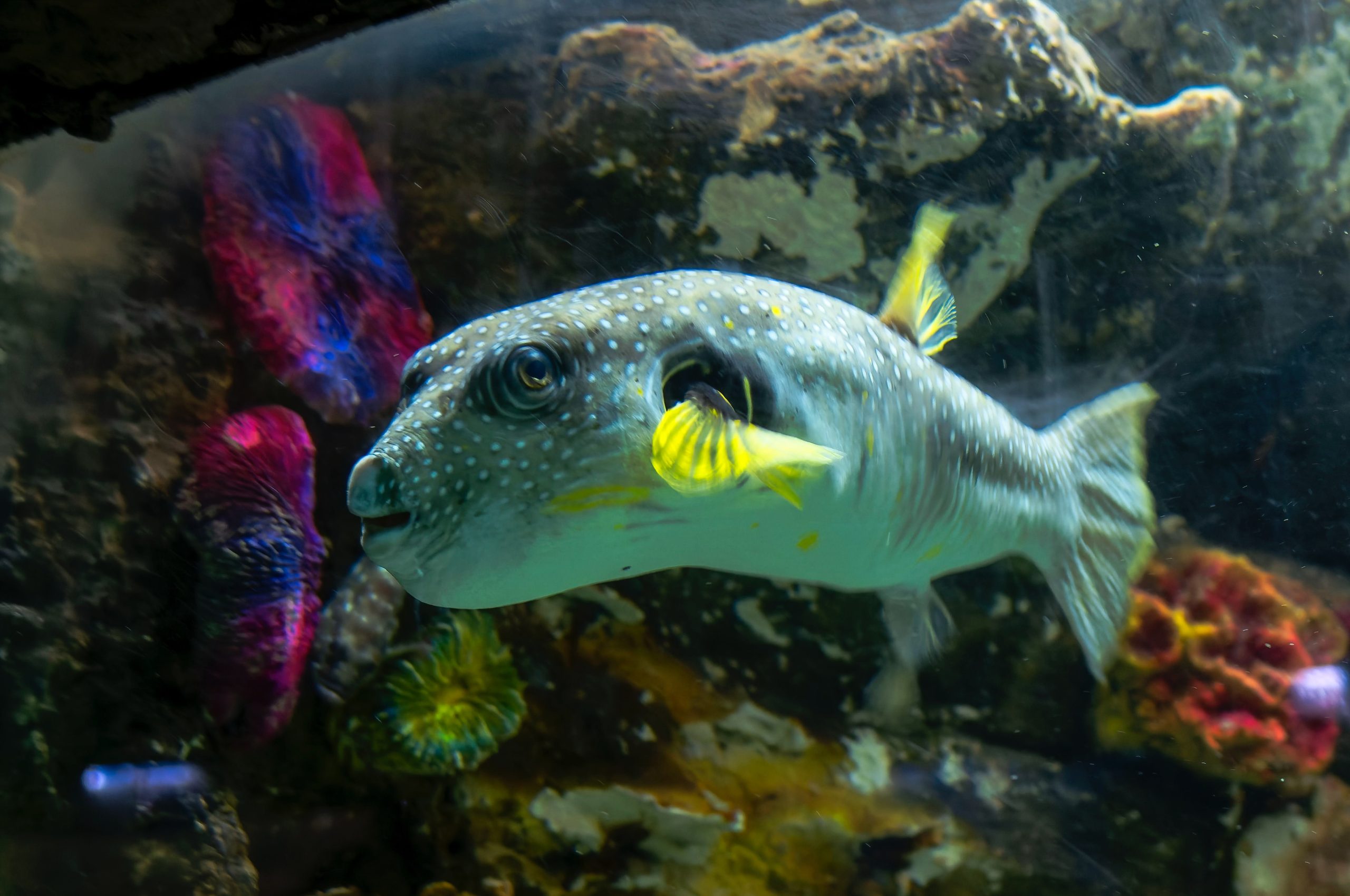
a. Fugu
Fugu is the infamous Japanese pufferfish that contains a deadly toxin called tetrodotoxin. If it is not prepared by a license chef who knows how to remove the poisonous parts of the fish the person can die within minutes of eating it. Even a tiny amount of tetrodotoxin can cause paralysis, respiratory failure, and cardiac arrest.
b. Casu Marzu
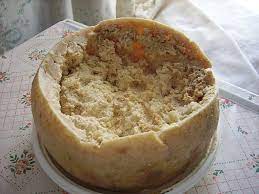
Casu Marzu is a type of cheese made from sheep’s milk that is infested with live maggots. The cheese is left to rot until the larvae of cheeseflies hatch and start eating the cheese. The maggots make the cheese creamy and soft but also release toxins and bacteria that can cause food poisoning, Allergic reactions, and intestinal infections. The maggots can sometimes also jump into your eyes, mouth, or nose causing infections.
c. Sannakji
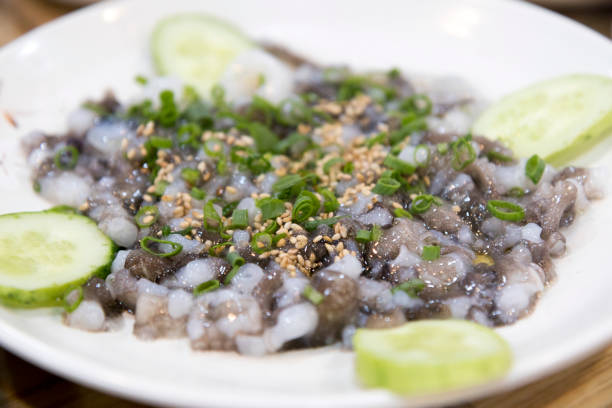
Sannakji is a Korean dish consisting of live octopus chopped into small pieces and served with sesame oil and sesame seeds. The octopus tentacles are still moving and wriggling on the plate which seems too exciting for some people whereas horrifying for some people. The main risk of eating is choking on the suction cups which can stick to your mouth or throat and block the airway.
d. Ackee
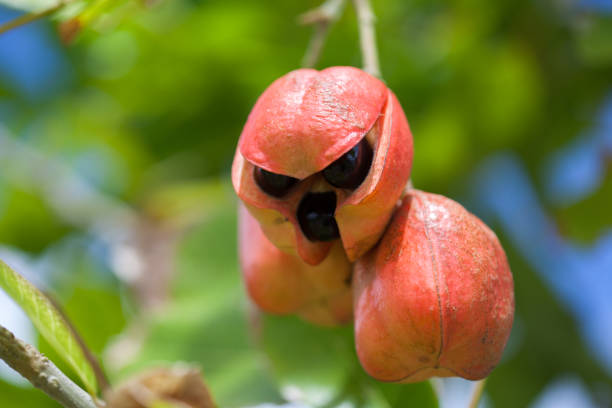
Ackee is a fruit that is native to West Africa but also popular in Jamaica where it’s part of the national dish of ackee and saltfish. It has a creamy texture and nutty flavor that goes well with savory dishes but it can also be fatal if eaten unripe or improperly prepared. The fruit ackee contains a toxin called hypoglycin which can severely lower your blood sugar levels and can cause a condition called Jamaican vomiting sickness. This can lead to seizures, coma, and death if left untreated.
e. Monkey Brains
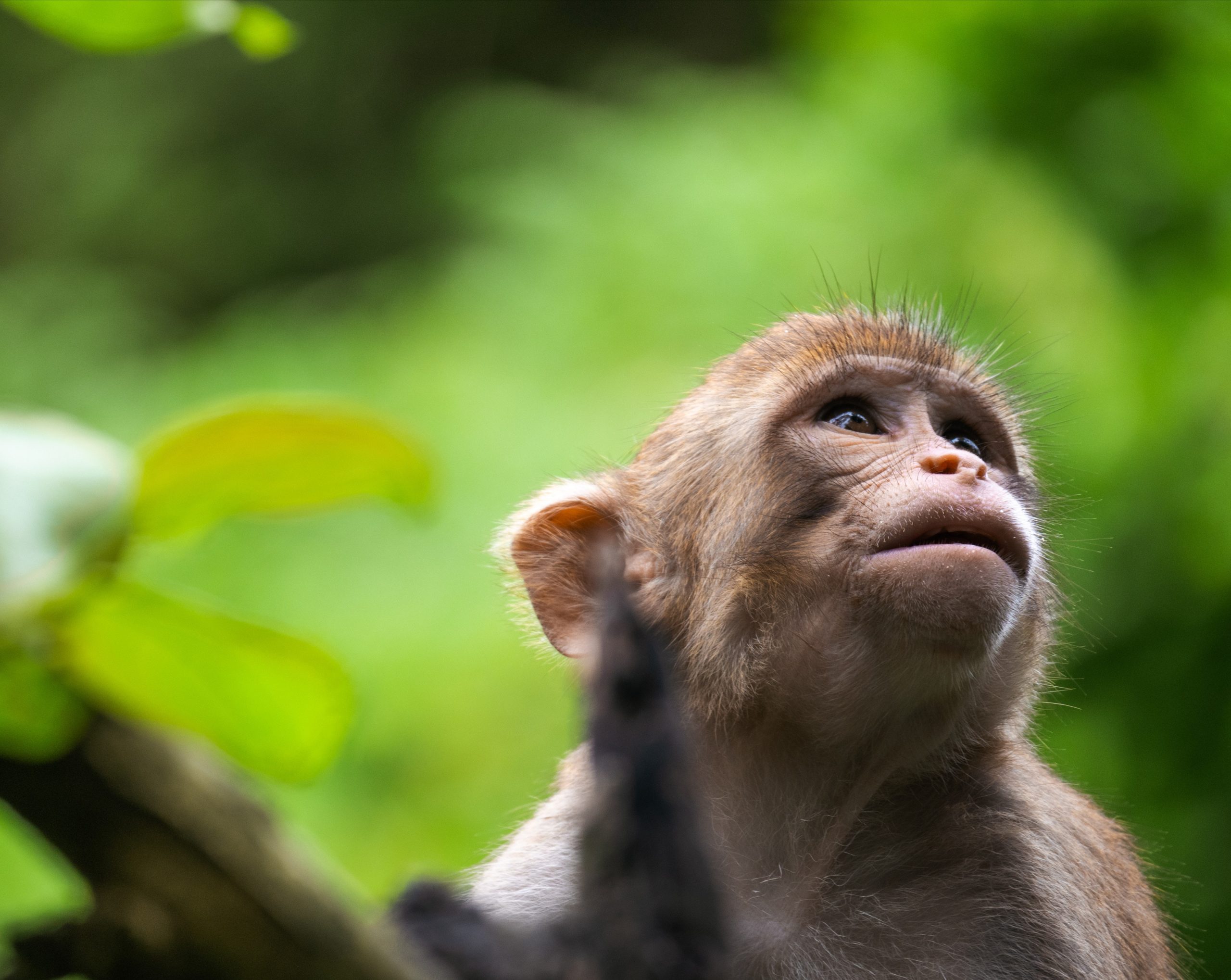
This is a controversial delicacy in some parts of Asia and Africa where monkeys are killed and their brains are eaten raw or cooked. Some people believe that eating monkey brains can enhance intelligence or cure diseases, but no scientific evidence supports these claims. On the contrary, eating monkey brains exposes you to various diseases and parasites such as rabies, Herpes B virus, and Creutzfeldt-Jakob disease (CJD) which is a fatal brain disorder.
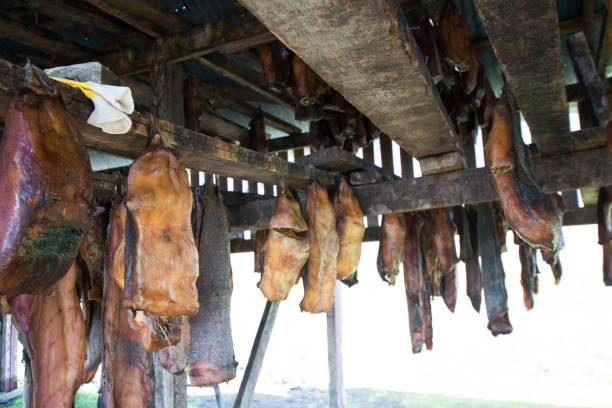
f. Hakarl
Hakarl is a traditional Icelandic dish made from fermented shark meat. The shark is buried underground for several months until it decomposes and develops a strong ammonia smell. Then it is cut into pieces and hung to dry for a few months. The result is a pungent and rubbery delicacy that locals consider an acquired taste. Some people say it tastes like rotten cheese while others compare it to urine or bleach.
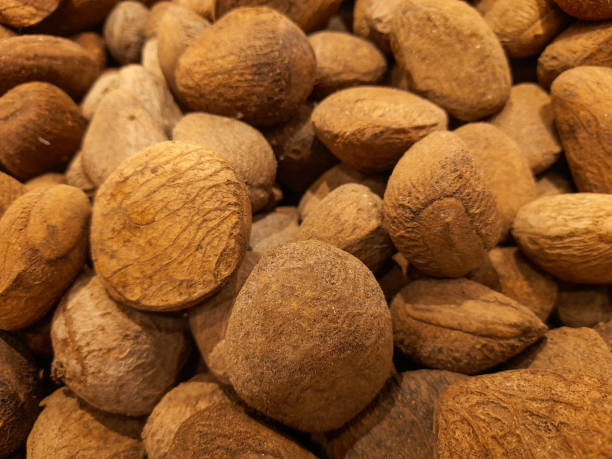
g. Pangium Edule
Pangium Edule is a tropical fruit that grows in Southeast Asia. It has a brown shell and soft pulp with large seeds inside. It has a strong and bitter taste. It is often used to make sauces, cakes, and candies. It is also believed to have medicinal benefits and can treat skin diseases and malaria. However, Pangium Edule is also extremely poisonous if eaten raw or improperly prepared. The seeds contain a substance called hydrogen cyanide which can interfere with the oxygen supply to your cells and cause suffocation and death. To avoid this, the Pangium Edule seeds must be boiled in water for several days before eating. The water must be changed frequently to remove the toxins.
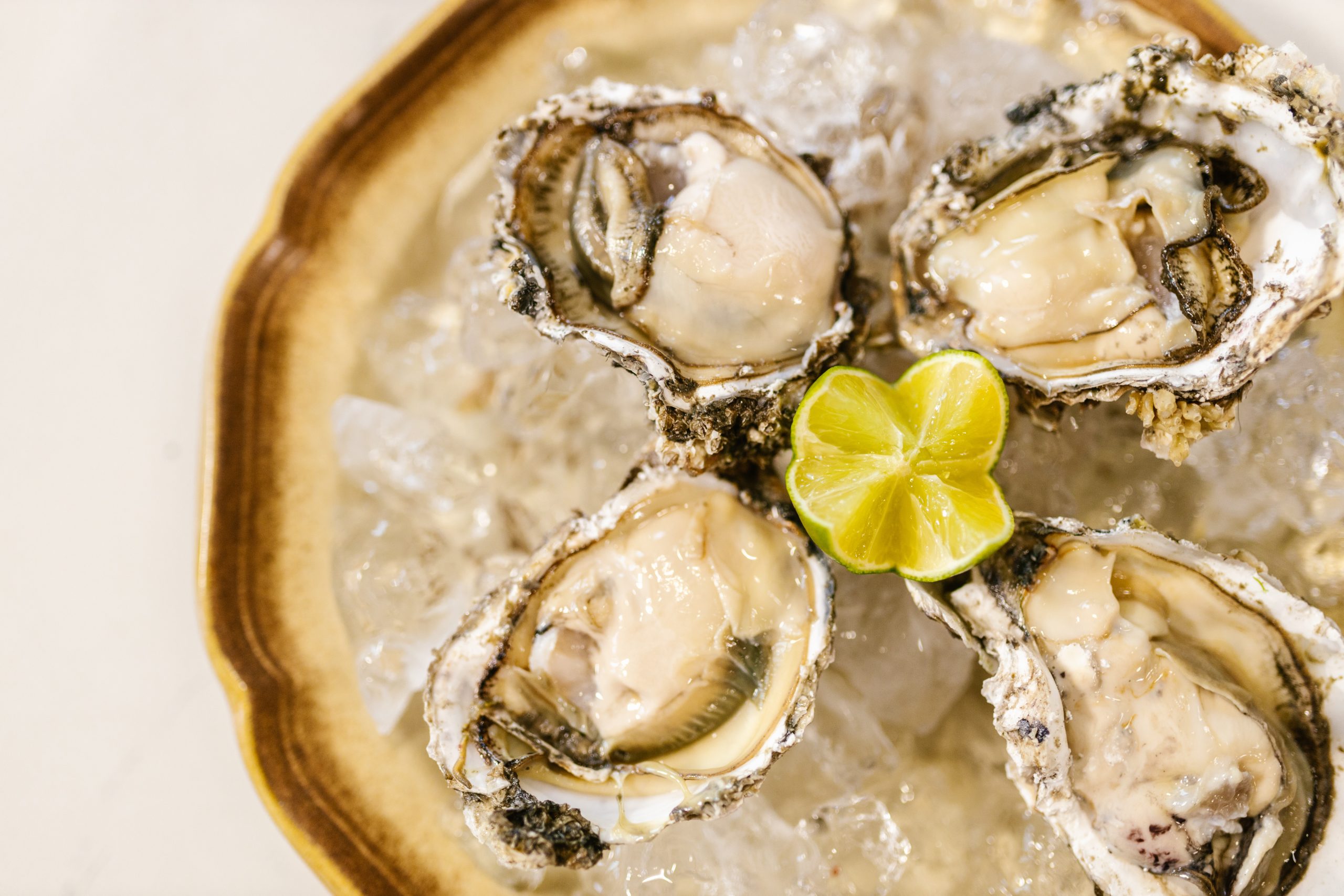
h. Blood Clams
Blood Clams are a type of clam found in China and other Asian countries with red blood-like liquid inside their shells. They’re considered a delicacy by some people who eat them raw or lightly cooked with vinegar and ginger. However, blood clams can harbor pathogens and viruses such as Hepatitis A, Hepatitis E, Typhoid, and dysentery. Eating them causes severe infections and liver damage.
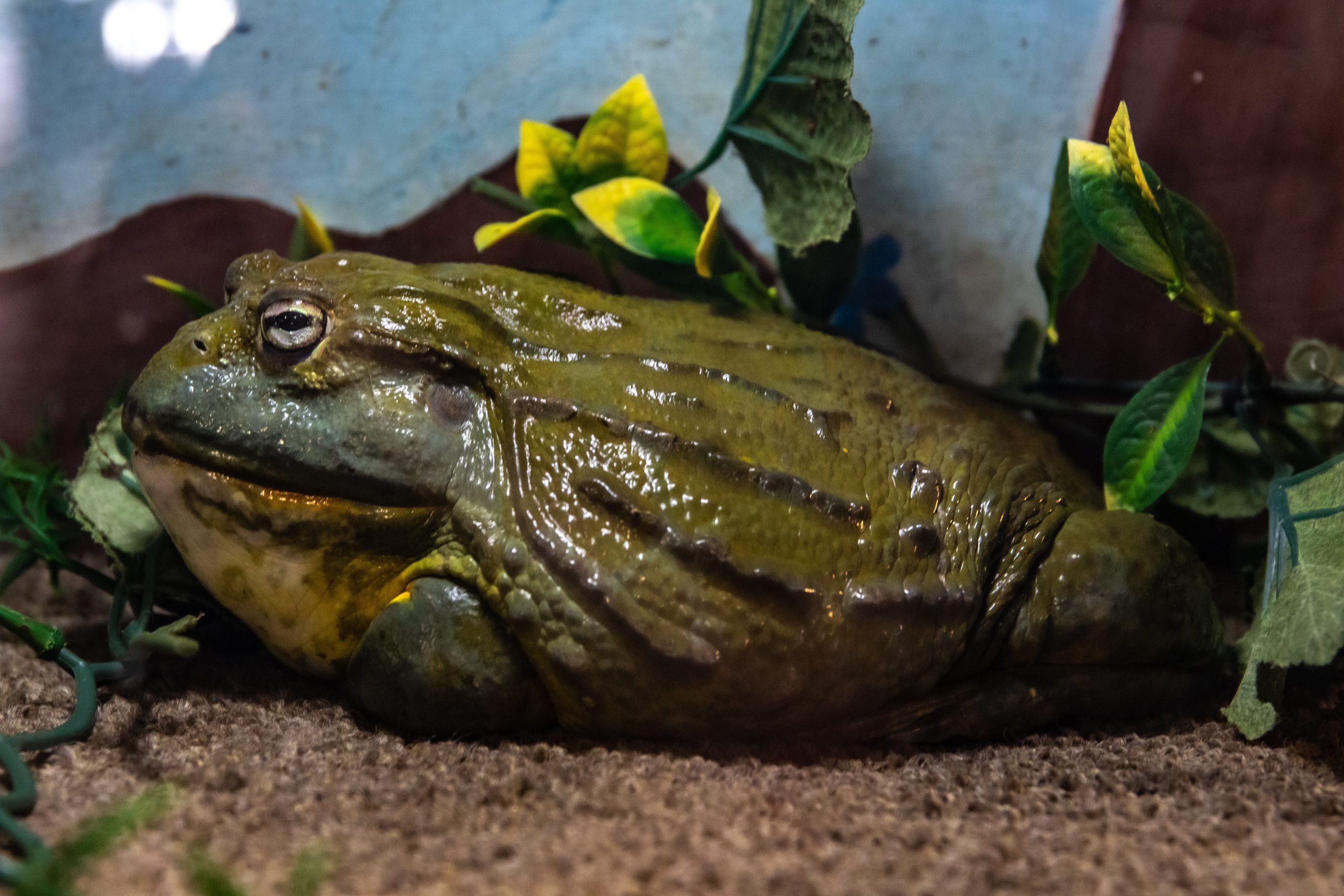
i. Giant Bullfrogs
Giant Bullfrog is a species of frog native to southern Africa that can grow up to 20 cm long and weight up to 1 kilogram. They are hunted and eaten by some people who consider them a delicacy and source of protein. However, giant bullfrogs can secrete toxins through their skin that can cause kidney failure if ingested. Moreover, young frogs that have not yet bred can contain another toxin called oshiketakata that can cause temporary paralysis.
j. Rhubarb Leaves
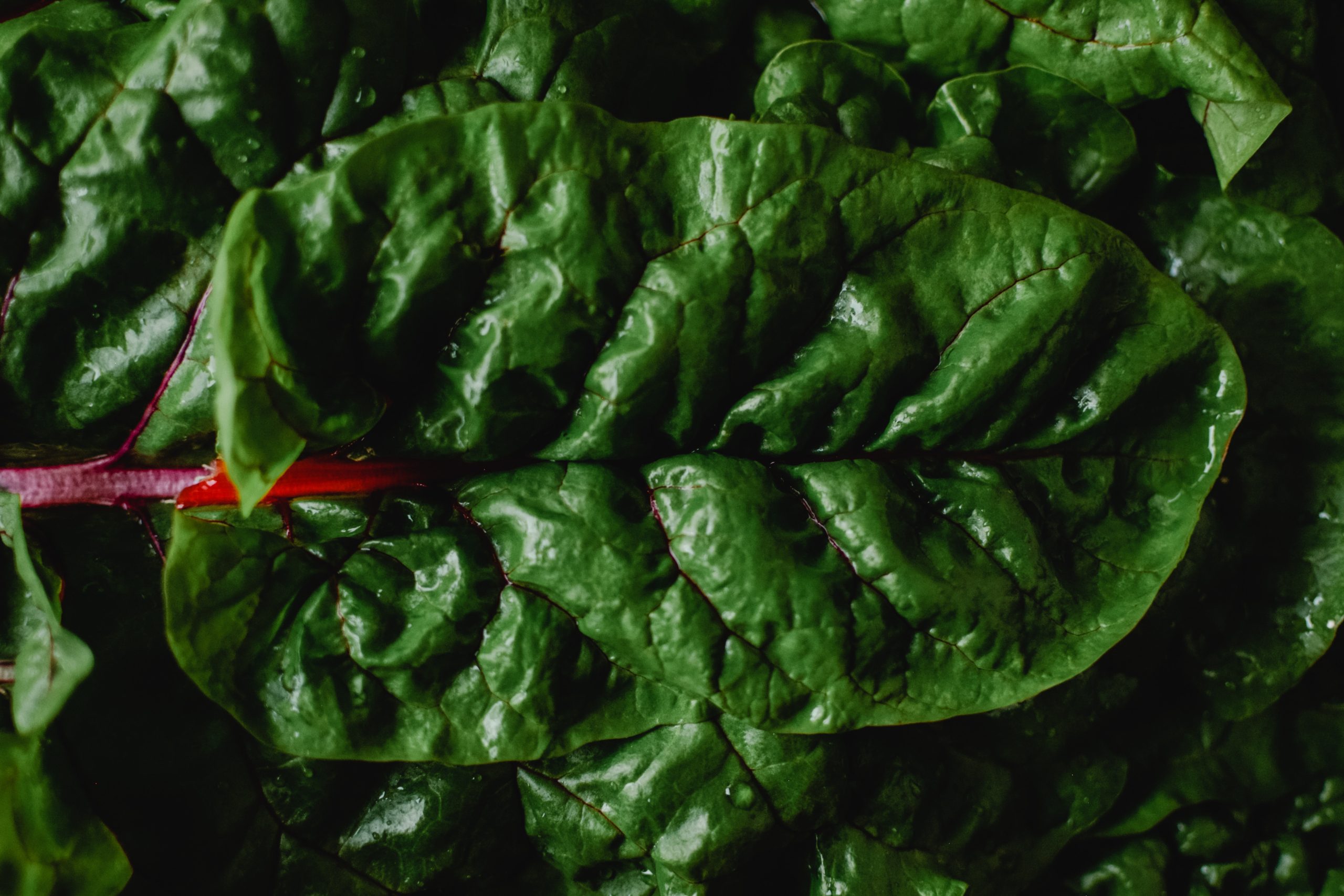
Rhubarb is a vegetable with bright red stalks that is often used to make pies, jams, and other desserts. The stalks have a tart flavor that balances well with sweet ingredients. But rhubarb also has a poisonous part that is it’s leaves leaves contain oxalic acid which is a chemical that can cause kidney damage, seizures, and death if consumed in large amounts. Oxalic acid can also be found in other foods like spinach and beet greens but in much lower concentrations. Cooking does not destroy oxalic acid. So rhubarb leaves never be eaten or used for anything.
10. Risks of Exotic food
| Exotic Food | Description | Risks |
|---|---|---|
| Fugu | Japanese pufferfish containing tetrodotoxin. Deadly if not prepared by a licensed chef. | Potential paralysis, respiratory failure, and cardiac arrest from tetrodotoxin. |
| Casu Marzu | Cheese infested with live maggots. Releases toxins and bacteria that can cause food poisoning and infections. | Risk of food poisoning, allergic reactions, and intestinal infections. Maggots can cause infections if ingested. |
| Sannakji | Live octopus chopped into small pieces and served with sesame oil. Tentacles are still moving. | Main risk is choking on the suction cups, which can stick to the mouth or throat and block the airway. |
| Ackee | Fruit containing hypoglycin. Can lower blood sugar levels and lead to Jamaican vomiting sickness if unripe or improperly prepared. | Potential seizures, coma, and death if ingested improperly. |
| Monkey Brains | Controversial delicacy in parts of Asia and Africa. Can expose to diseases like rabies, Herpes B virus, and Creutzfeldt-Jakob disease (CJD). | No scientific evidence supports claims of intelligence enhancement or disease curing. Exposure to diseases and parasites is a significant risk. |
| Hakarl | Icelandic dish made from fermented shark meat. Has a strong ammonia smell. | Polarizing taste, with some likening it to rotten cheese or urine. |
| Pangium Edule | Tropical fruit with extremely poisonous seeds containing hydrogen cyanide. Must be boiled for days to remove toxins. | Risk of suffocation and death if seeds are eaten raw or improperly prepared. Requires thorough cooking to be safe. |
| Blood Clams | Clams with red blood-like liquid inside their shells. Can harbor pathogens and viruses leading to infections and liver damage. | Risk of severe infections and liver damage due to potential pathogens and viruses like Hepatitis A, Hepatitis E, Typhoid, and dysentery. |
| Giant Bullfrogs | Species of frog that can secrete toxins through their skin, leading to kidney failure if ingested. | Potential kidney failure from ingesting toxins. Young frogs may contain a different toxin causing temporary paralysis. |
| Rhubarb Leaves | Leaves of the rhubarb plant contain oxalic acid. Consuming large amounts can cause kidney damage, seizures, and death. | Risk of kidney damage, seizures, and death if consumed in large amounts. The stalks of rhubarb are safe to eat, but the leaves should be avoided. |
| Read more: Heart attack: It’s Causes and Solutions |
| The healthy-life-expert.com crew collected the information via a field visit to provide accurate and genuine information. |

