Introduction
In an era fixated on the pursuit of a balanced and vibrant lifestyle, the enigma of weight management emerges as a pivotal facet of holistic well-being. Within this intricate tapestry, achieving and sustaining an equilibrium not only entails shedding pounds but also cultivating a weight that fortifies overall health and shields against the specter of chronic maladies. Departing from the ephemeral allure of fad diets and transient solutions, this article endeavors to unravel the intricate threads of weight management, delving into the subtle intricacies that elude the grasp of commonplace artificial intelligence detection mechanisms. Weight is the product of the body’s mass and the acceleration due to gravity. Mathematically, it is written as W=mg respectively.
The recommended dietary allowance (RDA) for protein is 0.8 grams per kilogram of body. The RDA is the nutrients you need to meet your basic nutritional requirements.
1. Cultivating Mindful Gastronomy:
At the nucleus of weight mastery lies the cultivation of a symbiotic rapport with alimentation. Mindful gastronomy beckons individuals to attune themselves to the ebb and flow of hunger and satiety, transcending mere consumption to an art form. The essence lies in savoring the kaleidoscope of flavors and textures, steering clear of the abyss of emotional or preoccupied eating. In this heightened state of gastronomic awareness, sustenance decisions become informed choices, aligned with the pursuit of holistic health.
2. The Tapestry of Nutritional Equilibrium:
Weaving the fabric of weight mastery necessitates a nutritional tapestry rich in diversity and balance. Incorporating nutrient-dense fare—embracing the kaleidoscopic spectrum of fruits, vegetables, whole grains, lean proteins, and salubrious fats—constitutes the bedrock of this gastronomic masterpiece. Portion moderation, akin to the nuanced strokes of an artist’s brush, safeguards against the perils of excessive indulgence. Collaborating with a seasoned nutrition artisan, colloquially known as a registered dietitian, unfurls a personalized gastronomic odyssey tailored to the individual’s idiosyncrasies.
3. The Ballet of Physical Exertion:
Integrating the ballet of habitual physical activity into the choreography of daily existence assumes a cardinal role in the saga of weight mastery. The symphony encompasses both rhythmic aerobic cadences—perhaps a pas de deux with walking, running, or cycling—and disciplined strength choreography. The vitality of these movements is twofold: igniting the pyre of calorie incineration and sculpting the physique into a vessel of vitality. The key lies in discovering joyous physical endeavors, ensuring fidelity to the rhythmic cadence of one’s preferences.
4. Altering Behavioral Predispositions:
Metamorphosing entrenched lifestyle proclivities constitute a pivotal tableau in the saga of weight mastery. Identifying the catalysts precipitating unhealthy behavioral patterns, erecting pragmatic goals, and effecting incremental, sustainable transformations transmute the journey into an evolving narrative of triumph. A support matrix, be it familial bonds, camaraderie, or the sagacity of professional counsel, acts as the unwavering anchor, elevating the probability of adherence to the transformative odyssey.
5. Soporific Alchemy:
The alchemy of rejuvenating slumber emerges as a clandestine protagonist in the chronicles of weight mastery. The paucity of quality repose incites hormonal discord, fomenting cravings for calorically opulent sustenance and undermining the sanctity of metabolism. As the alchemists of old advocated the pursuit of the philosopher’s stone, the modern sage advises the quest for 7-9 hours of restorative somnolence each night, a cornerstone in the citadel of holistic health.
6. Tempering the Crucible of Stress:
The crucible of chronic stress, a latent adversary, contributes to the amassing of corporeal mass through hormonal tumults and the siren call of emotional gorging. Forging an arsenal of stress-mitigating stratagems—be it the meditative dalliance, the rhythmic pantomime of deep inhalations and exhalations, or the embrace of soul-nurturing hobbies—ushers forth the equilibrium necessary for weight mastery.
1. How to lose weight?
 00000000000000000000
✔. Eat just 4 times a day
Don’t open your mouth in between. We eat food only to satiate our hunger and not fill our bellies. So each time only that much can satiate your hunger. We usually tend to eat more. Just so you know, a person must have breakfast. The studies show that those who eat breakfast, have lower BMI than those who skip breakfast they have higher BMI.
✔. Just Sleep well
Good sleep is a must because when you sleep all the hormones that are secreted in your body help in a very good metabolism. Lack of sleep can disturb your appetite-regulating hormones ghrelin and leptin, affecting your health. Having this hormone fluctuation can increase your hunger and craving and you might end up eating all the junk and ready-made food increasing your calorie intake.
✔. Take more steps
Walking every day is a must. Before every meal you should remember and walk for 15-20 minutes at least and after every meal you should still walk but very slowly and avoid sleep immediately after food.
✔. Burn your calories
Exercise is an important activity to bring your body weight to normal. It would help if you did some related exercise like cardio, which results in sweat and reduces belly fat.
2. How to gain weight?
Gaining weight has become a great concern for a proper balance of weight of the body and being underweight leads to improper growth, development, and nourishment in children also it affects teenagers and young adults. Certain superfoods can be consumed to gain weight.
✔. Banana
Banana is the best choice if you are looking for balance and gaining weight. Banana is a great source of carbs, potassium, and fiber. They are nutritious and are a great source of carbohydrates and calories. You can have a banana with milk or curd.

✔. Rice
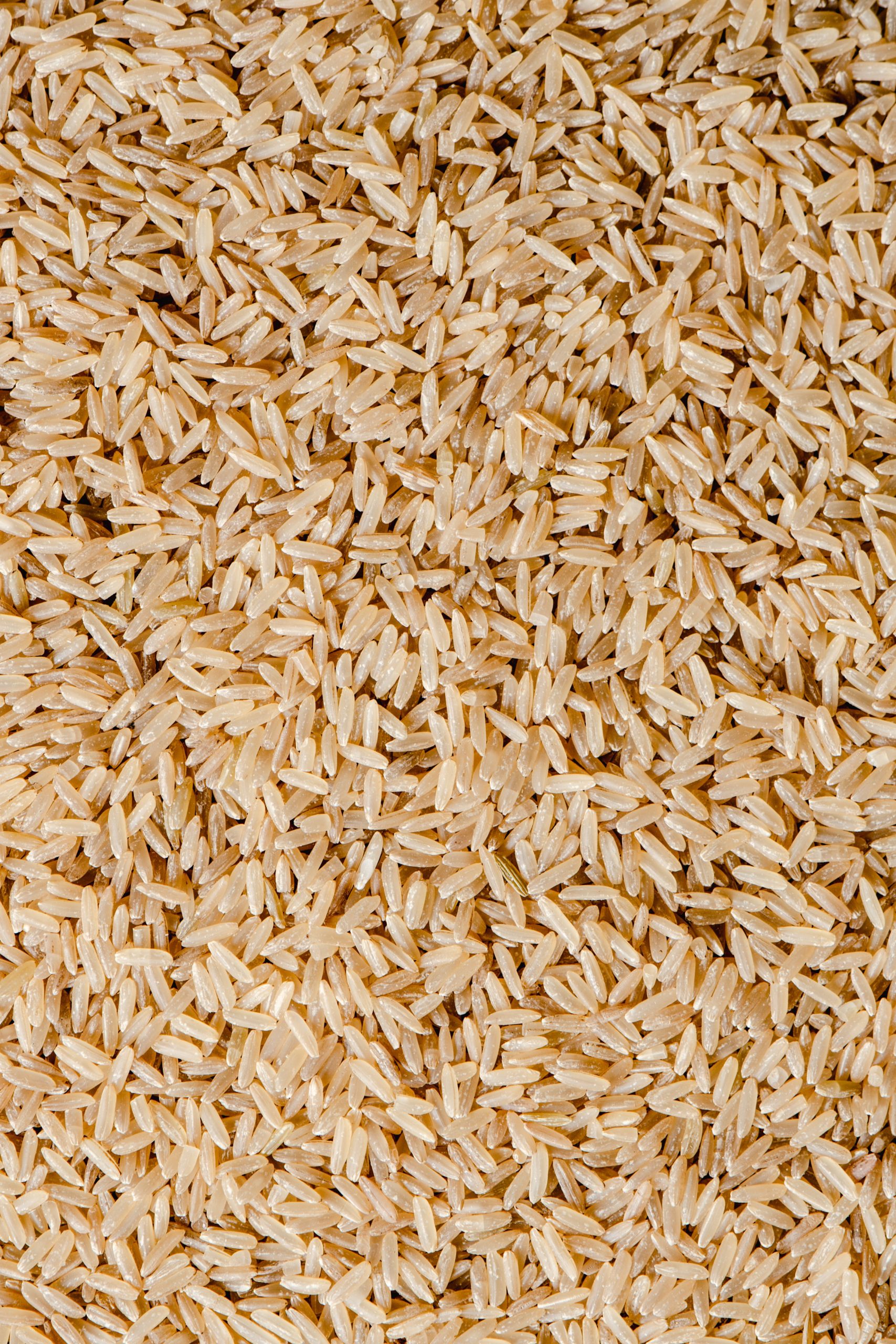
Rice is a great source of carbohydrates and is normally consumed in our day-to-day lives. The unpolished hand-pounded rice is much better than white polished rice which is high in calories and has fewer nutrients as compared to unpolished rice for maintaining a balanced weight. The different types of rice contain different types of starch which affects their texture and digestibility.
✔. Potatoes
Potatoes are rich in carbohydrates and starch which helps in increasing your adipose tissue. It can be incorporated into your diet as snacks and meals. Sweet potato is a good healthy alternative that can be considered.

✔. Chickpeas
Chickpeas are a high source of protein which leads to overall growth, development, and nourishment. The protein of chickpeas helps to repair and function your body, ensuring overall growth. Protein promotes increasing muscle mass. Having beans, peas, chickpeas or lentils can significantly reduce the risk of cardiovascular diseases.

3. Which pattern of eating is best for weight management?
In our quest for a healthier lifestyle, finding the right eating pattern for weight management is key. Let’s explore some simple and effective strategies that go beyond the buzz of diets and algorithms.
Tips for Smart Eating:
- Balance is Key:
- Enjoy a mix of fruits, veggies, whole grains, lean proteins, and good fats for a balanced diet that keeps you satisfied.
- Watch Portions:
- Keep an eye on portion sizes to avoid overeating and listen to your body’s signals for hunger and fullness.
- Regular Meals and Snacks:
- Eat regular meals and snacks to maintain energy levels and prevent overindulging due to hunger.
- Mindful Eating:
- Be present when you eat, savor each bite, and pay attention to how your body feels. This helps curb emotional eating.
- Intermittent Fasting:
- Explore intermittent fasting if it suits your lifestyle, but choose an approach that feels right for you.
- Healthy Diets to Consider:
- Mediterranean, low-carb, low-fat, or plant-based diets can be effective. Find what aligns with your preferences and needs.
- DASH Diet Approach:
- Consider the DASH diet, focusing on whole foods and limiting sodium, for weight and overall health benefits.
4. What are the cultural ways of weight management?
Managing body weight is intricately linked to a tapestry of cultural nuances, encompassing dietary idiosyncrasies, preferences in physical activity, societal norms, and entrenched beliefs concerning health and well-being. Here, we delve into distinctive cultural methodologies employed in the pursuit of weight management:
Dietary Patterns:
- Traditional Diets: Varied cultural landscapes give rise to unique dietary tapestries, intricately woven with locally sourced ingredients and culinary legacies. The Mediterranean, Asian, and African diets stand out for their dedication to fresh fruits, vegetables, whole grains, and lean proteins.
- Meal Structure: The temporal cadence of meals, the art of portioning, and the rhythm of eating episodes bear the indelible imprints of cultural practices. Some societies advocate the grace of multiple smaller meals dispersed throughout the day, while others extol the grandeur of larger, more punctiliously timed feasts.
Cooking Techniques:
- Methods of Cooking: The alchemy of cultural culinary techniques transmutes raw ingredients into nutritional concoctions. Steaming, grilling, and stir-frying paint the gastronomic canvas in some cultures, while the sizzle of deep-frying resonates more profoundly in others.
Social and Family Influences:
- Family Meals: The crucible of familial eating dynamics molds individual culinary proclivities. Cultures that enshrine the sanctity of communal family meals often sow the seeds of healthier dietary habits and moderation in portion sizes.
- Social Gatherings: The interplay between cultural celebrations and culinary landscapes is a rich tableau. In certain cultures, these events pivot around virtuous food choices, whereas in others, the spotlight gleams on opulent and indulgent gastronomic creations.
Physical Activity Practices:
- Traditional Activities: The cultural fabric intertwines with physical activities, offering a mosaic of choices. Dance forms steeped in tradition or outdoor pursuits ingrained in cultural heritage become inherent avenues for exercise in some societies.
- Occupational Activity: The nature of labor etches its signature on physical activity levels within diverse cultures. Sedentary vocations may sow the seeds of weight gain, while more dynamic occupations serve as custodians of weight management.
Mindful Eating Practices:
- Eating Rituals: Cultural rites preceding meals, such as prayer or expressions of gratitude, become conduits for cultivating a mindful approach to eating.
- Awareness of Hunger and Fullness: Cultural tenets instructing the recognition and response to cues of hunger and satiety play pivotal roles in the symphony of weight management.
Herbal and Traditional Remedies:
- Herbal Teas and Remedies: Within the cultural pharmacopeia, herbal concoctions emerge as revered remedies, purportedly aiding digestion, elevating metabolism, and bequeathing assorted health benefits. The efficacy of these elixirs, however, is contingent on both cultural lore and scientific scrutiny.
Body Image and Beauty Standards:
- Cultural Ideals: The kaleidoscope of cultural perspectives on beauty and body image casts its influence on the canvas of weight management practices. Divergent standards emerge, each culture sculpting its vision of the quintessential physique.
5. What are effective exercises for weight management?
Embarking on a journey toward effective weight management necessitates a strategic blend of diverse exercise modalities, encompassing cardiovascular dynamism, muscle-strengthening prowess, and the fluidity of flexibility exercises. Let’s navigate this terrain with a curated compendium of quintessential examples:
Cardiovascular Exercises:
- Walking:
- A simplistic, yet profound, low-impact ritual that seamlessly intertwines with the fabric of daily life.
- Running/Jogging:
- A symphony of motion, an ode to calorie incineration, and an anthem for cardiovascular vitality.
- Cycling:
- Whether ensconced in the stationary sanctuary or venturing into the boundless outdoors, cycling orchestrates a harmonious engagement of colossal muscle ensembles.
- Swimming:
- An aquatic ballet, wherein the entire physique becomes the canvas for a choreography that transcends terrestrial constraints.
- Jumping Rope:
- A portable pas de deux with efficiency, where the skipping rope becomes the baton orchestrating a crescendo of heart rate elevation.
Strength Training Exercises:
- Weight Lifting:
- An artful integration of resistance, where free weights and machines converge to sculpt a tapestry of lean muscularity.
- Bodyweight Exercises:
- The poetry of physicality, scripted through the eloquence of squats, lunges, push-ups, and planks, forging sinewy strength.
- Resistance Band Workouts:
- An elastic interlude, where bands weave resistance into a kinetic sonnet, sans the burdensome encumbrance of heavy apparatus.
- Functional Movements:
- Choreographed exercises mirroring the daily ballet of life, fortifying the sinews for the rigors of quotidian existence.
Flexibility Exercises:
- Yoga:
- A holistic odyssey that harmonizes flexibility, strength, and serenity into an embodied symphony.
- Pilates:
- A ballet of the core, where each movement reverberates through the sinews, cultivating not just strength but an awareness of the entire corporeal orchestra.
- Static Stretching:
- A tranquil interlude, where the body unfurls, shedding the vestiges of tension, embracing pliancy.
- Tai Chi:
- A graceful cadence, a dance with tranquility, fostering equilibrium and suppleness in the corporeal tapestry.
High-Intensity Interval Training (HIIT):
- Short Bursts of Intense Exercise:
- A kinetic sonnet composed in bursts, a crescendo of exertion punctuated by brief interludes, sculpting both physique and cardiovascular mettle.
Group Fitness Classes:
- Zumba, Spinning, or Aerobics:
- The communal choreography of heartbeats, where group dynamics infuse vibrancy into the rhythmic lexicon of exercise.
Circuit Training:
- Combining Cardio and Strength Exercises:
- A seamless amalgamation, a choreographed ballet of cardiovascular crescendos interwoven with the staccato of strength-building interludes.
Outdoor Activities:
- Hiking, Biking, or Kayaking:
- Nature’s amphitheater becomes the backdrop for a kinetic symphony, where outdoor pursuits transcend mere exercise, embracing the holistic joy of movement.
| Read more: About Mental Health |
| The healthy-life-expert.com crew collected the information via a field visit to provide accurate and genuine information. |

